

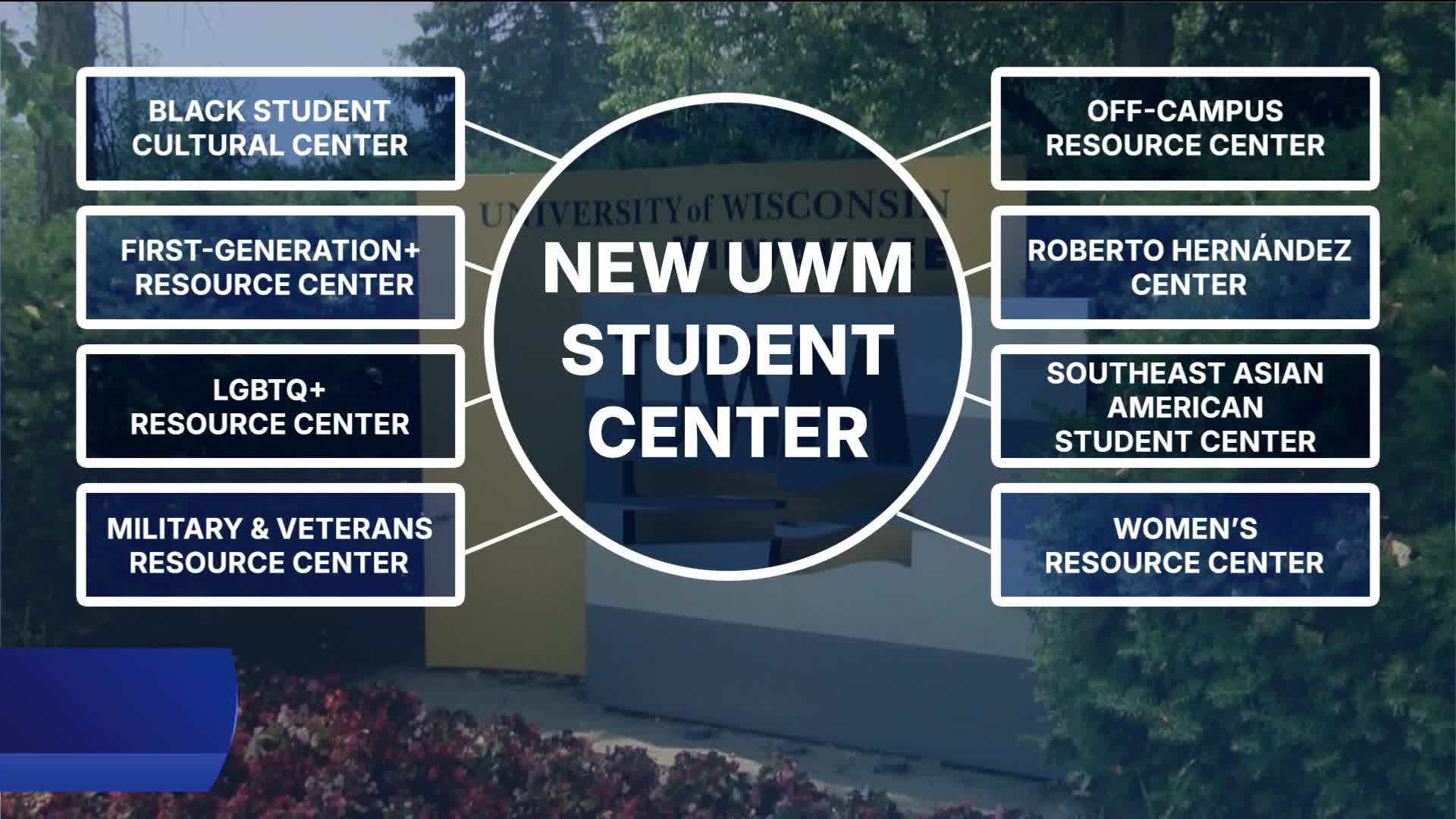


MILWAUKEE — Some military veterans who are students at the University of Wisconsin-Milwaukee say moving their resource center to a shared space could come at a cost, weakening specialized support for them, disrupting their community and potentially driving some student veterans away.
PREVIOUS COVERAGE | UWM student frustrated as school consolidates multicultural centers into a single 'hub'
The Military & Veterans Resource Center, or MAVRC, offers trauma-informed services and a safe place for veterans on campus. But a plan to merge it into a new student center hub with 7 other groups has veterans worried about what they'll lose.
Watch: UWM veterans worry new shared center will weaken their specialized support
Jessica Garza, an Army veteran and UWM student, is also the president of UWM's chapter of the Student Veterans of America. She said the stakes are personal.
"We have triggers that you got to worry about our mental health and everything," Garza said.
The center helps veterans transition back into civilian life with several resources available for students on that journey.

Ben Sharples is a Navy veteran and UWM student who says MAVRC provides more than services — it's a place where veterans don't have to justify their experiences, a safe space.
"They were able to provide a really stable and welcoming environment in which we didn't have to explain our backgrounds or have to explain who we are, where we came from — because we'd already been there together, whether or not that was literally or just experientially," Sharples said.
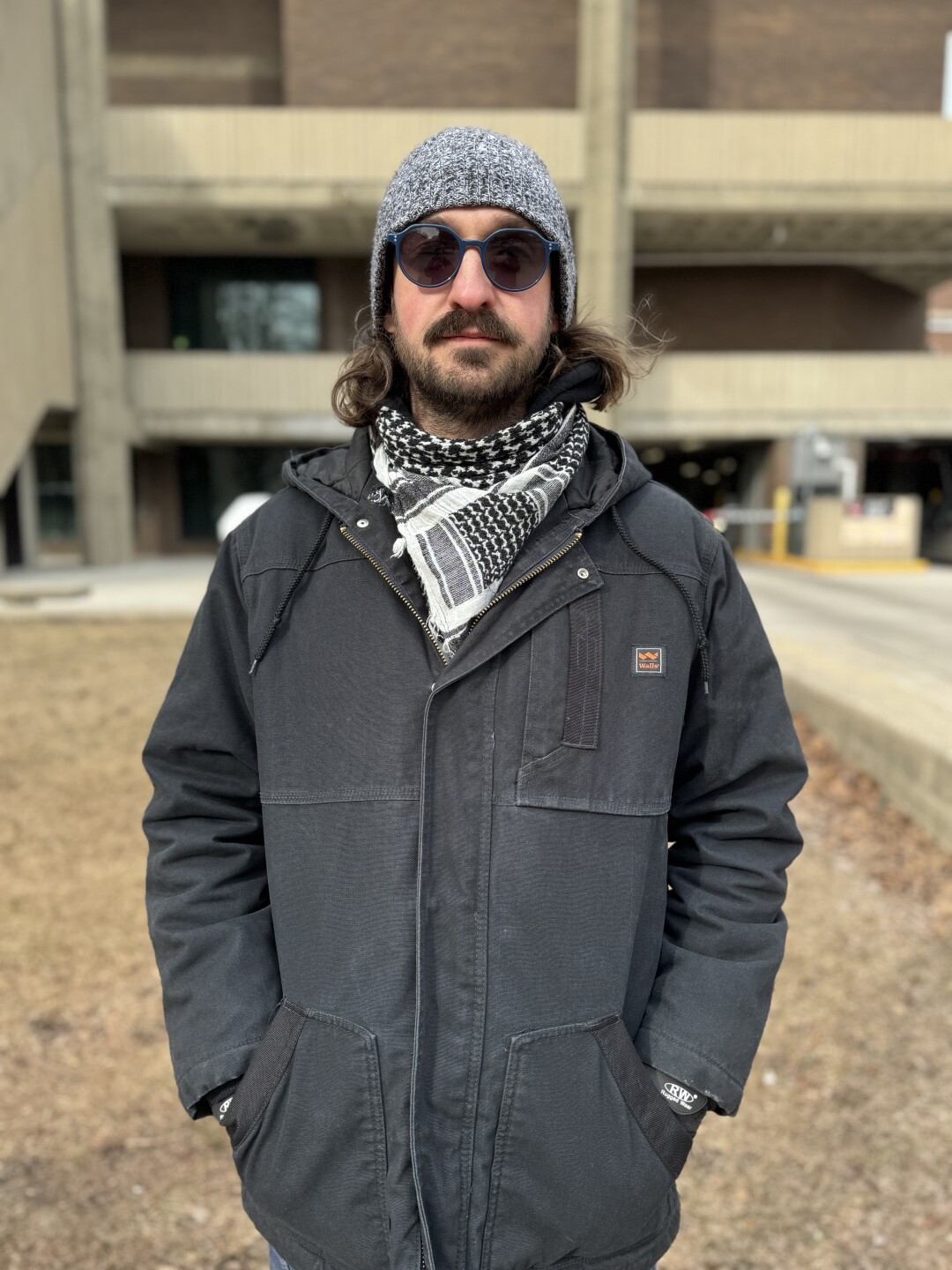
Both Garza and Sharples worry that community could be lost if veterans are forced into a shared space, and it could push veteran students away from the university completely.
"You're just pushing us in a corner, and we push like a bunch of veterans or military-affiliated people in a corner, that's not going to end good," Garza said.

UWM says the change is grounded in data showing that coordinated, student-centric, holistic support improves student well-being, which in turn improves retention and graduation rates. The university also acknowledged that the evolving federal landscape on diversity, equity and inclusion was considered as part of the planning discussion, but says providing services in a manner to best improve student outcomes was the driving factor.
UWM says veterans will still receive specialized care and that private spaces will remain available.
"UWM will continue to provide our veterans with the specialized services and care they currently receive, including adhering to any applicable requirements. Private spaces for sensitive programming and conversations will still be available in the new center," a university spokesperson said.
The university also says all current staff will remain to ensure continuity of care and community building, and that no full-time employees will lose their jobs, though some job duties will be restructured.
Students like Sharples say they're still waiting for details on how confidential veteran support will be handled.
"It's hard to be when you're alongside people who have no idea what your experience is," Sharples said.

Sharples says he's attended some of the input sessions the university has hosted around the new center. He doesn't believe this will have the benefits the university desires, especially for veterans.
"I know that the overlap will help to break down some of those barriers, but forcing us all into the same space is just going to create friction, not to break down the barriers," said Sharples.
The 8 centers being merged into the new hub include the Black Student Cultural Center, First-Generation+ Resource Center, LGBTQ+ Resource Center, Military and Veterans Resource Center, Off-Campus Resource Center, Roberto Hernández Center, Southeast Asian American Student Center and Women's Resource Center. While UWM says the missions and traditions of each center will continue, the university acknowledges the centers will not simply move into the new space unchanged.
The new center will be housed on the ground floor of the UWM Student Union, in the area that currently houses the Centers for Advocacy and Student Engagement. Throughout spring and summer 2026, students, faculty and staff will have the opportunity to participate in design planning for the new center. The final name of the center will be determined with input from students, staff and other stakeholders.
A new center is expected to open by fall 2026. Veteran students hope that the support they've relied on won't be lost in the shuffle.
This story was reported on-air by a journalist and has been converted to this platform with the assistance of AI. Our editorial team verifies all reporting on all platforms for fairness and accuracy.
It’s about time to watch on your time. Stream local news and weather 24/7 by searching for “TMJ4” on your device.
Available for download on Roku, Apple TV, Amazon Fire TV, and more.

