



SHOREWOOD, Wis. — As another cold snap heads towards Southeast Wisconsin, temperatures are expected to plunge well below zero this weekend. With the frigid cold comes heightened risk to homes—especially when it comes to frozen and burst pipes.
Watch: Shorewood residents share tips to avoid frozen pipes during cold snap
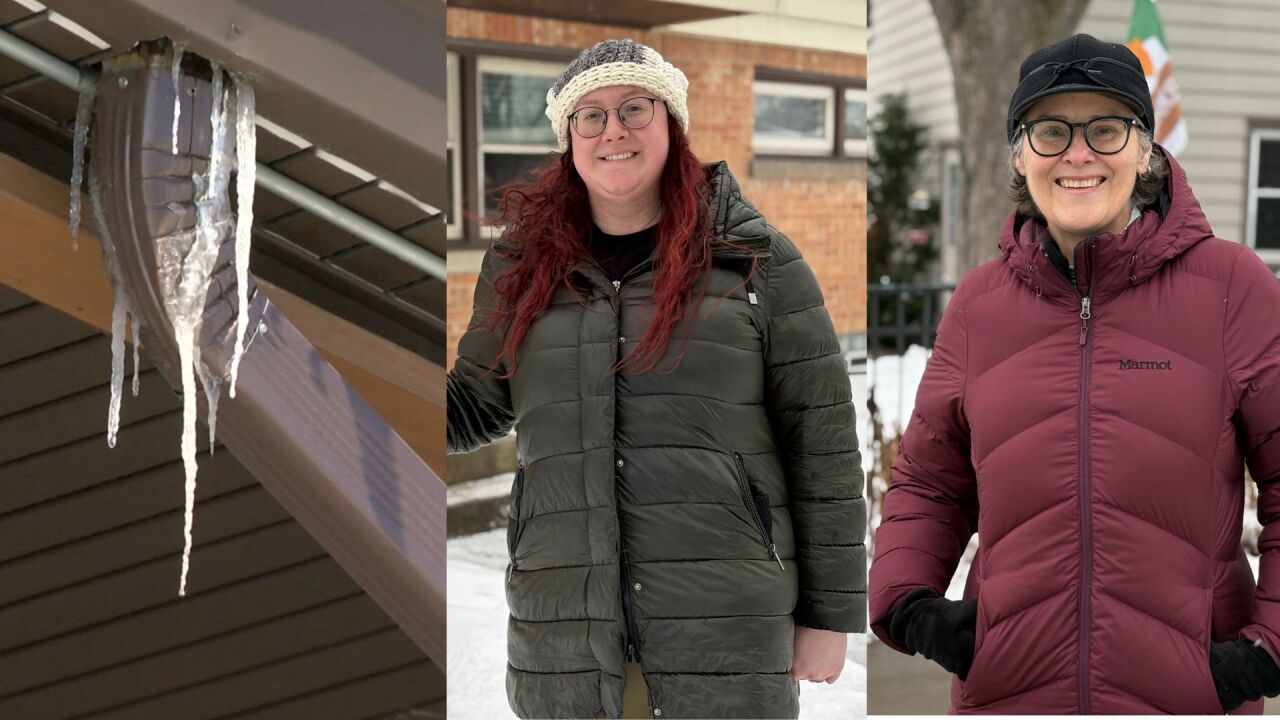
"Growing up in Wisconsin, you've all heard the stories about how the power went out and then the pipes froze,” said Shorewood homeowner, Gina Szablewski. "We always make sure that our gutters are cleaned out so they don't get clogged and the ice builds up.”

As the cold snap approaches, neighbors say simple prep goes a long way.
"Take some time before it snows to, like, make sure you're prepped for everything. Like, make sure your water is turned off for the outside in the winter,” said Shorewood renter, Lydia Rasmussen.

The City of Beloit Water Resources Division is also urging residents to start winterizing immediately, noting that a few preventative steps can spare homeowners thousands in repairs.
Before the Deep Freeze: Prep Your Home
- Know your water shutoff point. Beloit officials emphasize locating and labeling the home's main water shutoff so you can stop the flow instantly in an emergency.
- Make sure heating systems are ready. Get your furnace tuned up, replace filters, and check that heat cables and thermostats are working properly.
- Protect exposed plumbing. Add insulation—such as foam sleeves or heat tape—to pipes in basements, crawl spaces, and unheated corners of the home.
- Seal chilly gaps. Cold air sneaking in through wall openings, foundation cracks, or spots where pipes enter the home can freeze plumbing fast. Caulk or seal these areas.
- Strengthen insulation in cold-prone areas. Basements, crawl spaces, and rim joists benefit from added insulation to help stabilize temperatures.
- Winterize outdoor fixtures. Swap out standard hose bibs for frost-resistant ones and shut off exterior water valves before the first major chill.
- Detach and drain hoses. Leaving them connected traps water and can cause outdoor spigots to burst.
When Temperatures Plummet
- Keep water moving. During intense cold snaps, let a small pencil-sized stream of water run, especially in homes located on dead-end streets.
- Maintain indoor warmth. Keep your thermostat at 55°F or higher and open cabinet doors under sinks to circulate warm air.
- Shut garage doors. If water lines run through your garage, closing the door can significantly reduce freezing risk.
- Watch for unusually cold water. If tap water nears freezing temperatures, increase heat or let faucets drip.
- Check for cold spots. Feeling drafts along walls or exposed pipes? Add insulation or temporary weather stripping.
- Avoid grease buildup. Don’t pour fats or oils down drains—grease hardens faster in winter and can clog pipes.
If Pipes Do Freeze
Shorewood resident Rasmussen knows how quickly things can go wrong when the house is left unattended.
"My in-laws, they live in Bemidji, Minnesota, and they just did that. They were away for a few days, and their pipes burst," she said. “Make sure that if you're going away for a few days, you leave at least somebody to, like, run things, so that doesn't freeze over.”
Beloit’s winter safety reminders align with that experience:
- Look for signs of freezing. Low water pressure, frost on pipes, or bulging sections indicate a blockage.
- Thaw carefully. Use a hair dryer, heating pad, or warm towels—never an open flame.
- Open faucets while thawing. Running water helps melt ice and relieve pressure.
- Use heaters cautiously. Space heaters can warm cold basements or crawl spaces, but should be kept clear of flammable objects and never left unattended.
- Call a professional if needed. Frozen or burst pipes sometimes require a plumber—or, if the issue may be with the service line, a call to the water utility.
- Inspect after thawing. Small leaks can turn into large problems once water pressure returns.
Traveling or Managing Vacant Homes
- Have someone check on the property regularly—or shut off water entirely.
- Keep sewer vents and sump pump discharge lines free of snow and ice.
- Leave interior doors open for better airflow, and set thermostats no lower than 55°F.
- Before long trips, consider requesting a temporary water shutoff.
Szablewski said these winter rituals have been passed down for generations.
"It's just what you saw your parents doing and your grandparents doing. So it's just something that you know you have to do."
It’s about time to watch on your time. Stream local news and weather 24/7 by searching for “TMJ4” on your device.
Available for download on Roku, Apple TV, Amazon Fire TV, and more.

