


MILWAUKEE — The week between Christmas and New Year's is when we celebrate Kwanzaa, a holiday dedicated to African American culture. Observers celebrate a different principle every night, covering everything from self-determination to faith. The first principle is unity.
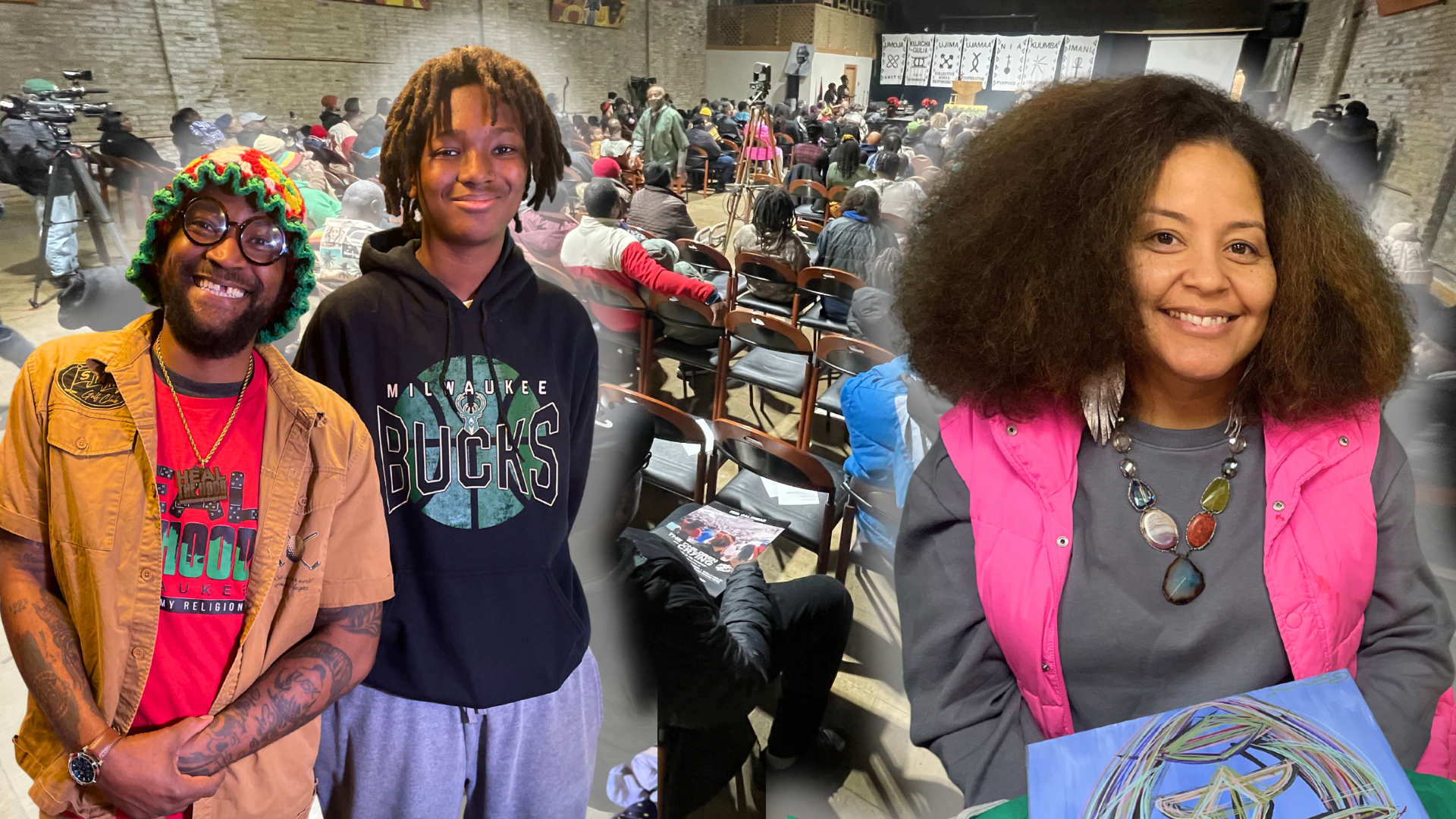
Friday marked the first day of Kwanzaa. In Milwaukee at the Wisconsin Historical Society on 27th and Center, community members came together to celebrate.

For seven days, this non-religious, cultural celebration honoring African heritage begins with the first day, Umoja, which means unity — uniting families, neighborhoods, and the Black community.
"It's a blessing to be in a space year after year after year and continue to just grow the capacity of Kwanzaa," Ajamou Butler said.
Butler is the founder of Heal The Hood. The Wisconsin Black Historical Society has been hosting a traditional opening ceremony for decades, welcoming the public to reflect, connect, and celebrate together. For Butler, who has been coming since childhood, the celebration holds special meaning.

"I love all of the new faces we see coming in, people who I have never seen throughout the years. So that means that consciousness is awakened. That means people want more culture. They want more blackness. They want more Kwanzaa. So for me to be here with my son, man, it's a blessing," Butler said.
Watch: Milwaukee celebrates first day of Kwanzaa with unity ceremony
Kwanzaa was created in 1966 by Maulana Karenga in the aftermath of the Watts Riots as a way to restore cultural pride and reinforce communal values. Drawing inspiration from African harvest festivals, it's centered on the Nguzo Saba, the seven principles. Local historian and founder of the Wisconsin Black Historical Society, Clayborn Benson, led the ceremony off by welcoming guests and explaining the 7 principles.

The Seven Principles of Kwanzaa (Nguzo Saba)
Together, they reflect values rooted in African culture and emphasize family, community, and collective responsibility.
1. Umoja (Unity) – December 26
Umoja focuses on unity within the family, community, nation, and people. It encourages togetherness, cooperation, and strengthening bonds across generations.
2. Kujichagulia (Self-Determination) – December 27
Kujichagulia emphasizes defining, naming, and speaking for ourselves. It centers on self-identity, self-confidence, and the power of shaping one’s own future.
3. Ujima (Collective Work and Responsibility) – December 28
This principle calls on individuals to work together to solve community problems and build a shared sense of responsibility for one another’s well-being.
4. Ujamaa (Cooperative Economics) – December 29
Ujamaa highlights the importance of supporting Black-owned businesses, sharing resources, and building economic strength within the community.
5. Nia (Purpose) – December 30
Nia encourages people to live with purpose — contributing to the restoration, development, and uplift of the community, while guiding young people toward meaningful paths.
6. Kuumba (Creativity) – December 31
Kuumba celebrates creativity in all forms — art, music, problem-solving, and innovation — with the goal of leaving the community more beautiful and beneficial than it was found.
7. Imani (Faith) – January 1
Imani focuses on faith — in oneself, in the community, in ancestors, and in a shared future. It emphasizes belief in the righteousness of struggle and the power of collective resilience.
The celebration includes music, African drumming, performances, candle lighting, and space for conversation, all centered on connection.
"It feels amazing, positive interaction, positive vibes, seeing people showcase their talents, showcase their business," Pamela Graham said.
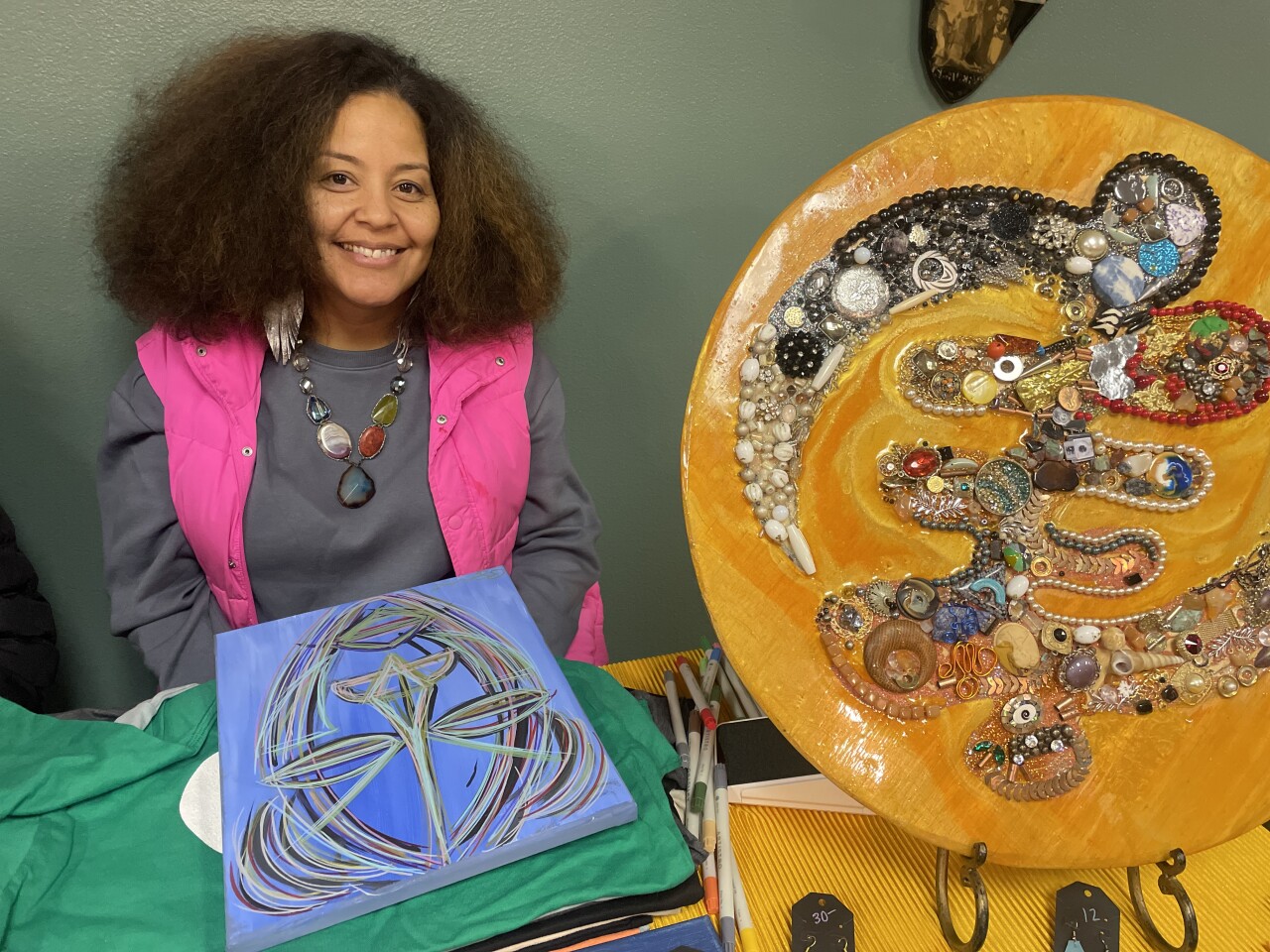
Graham owns Nandi Collections. Local artists like Graham are also part of the celebration, using creativity to share culture and purpose.
"The name of my business is Nandi, which is Shaka Zulu's mother's name, and it means a woman of high esteem. So my work represents a woman or an individual of high esteem," Graham said.
The week-long celebration runs through January 1, ending with a communal feast known as Karamu Ya Imani.
"Faith Imani is gonna be that favorite principle. I ain't even gotta think about that too much because for me that ties me to God, that ties me to Creator, that ties me to ancestor, that ties me to the universe," Butler said.
"Nia purpose, and I think that knowing your purpose and what you're good at at a young age is a really great pathway to lead a productive life," Graham said.
Kwanzaa is rooted in African American culture, but its message of unity, purpose, and collective responsibility reflects values that resonate across communities and generations in America. And as those principles are shared each night, folks say Kwanzaa isn't just about what's remembered — it's about what's carried forward.
Happy Kwanzaa Everyone!
To learn more about the Wisconsin Black Historical Society, click here.
To learn more about Nandi Collections, click here.
To learn more about Heal The Hood, click here.
It’s about time to watch on your time. Stream local news and weather 24/7 by searching for “TMJ4” on your device.
Available for download on Roku, Apple TV, Amazon Fire TV, and more.

