

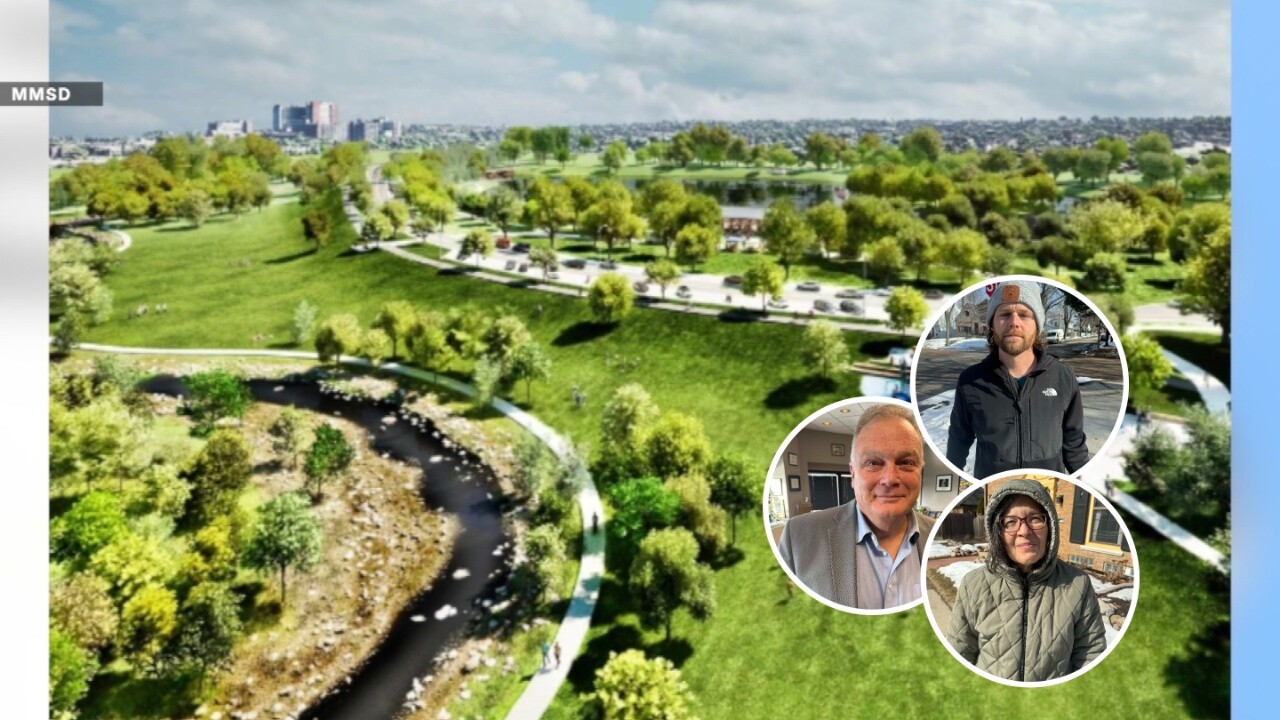


MILWAUKEE — Last August's "1,000-year storm" overwhelmed streets, sewers and basements from Milwaukee to New Berlin and beyond. In Jackson Park, some residents got lucky — others did not. Now the Milwaukee Metropolitan Sewerage District wants to move up plans to prevent this from happening again.
Previous Coverage| Six months after historic flooding, Milwaukee business owners talk about rebounding
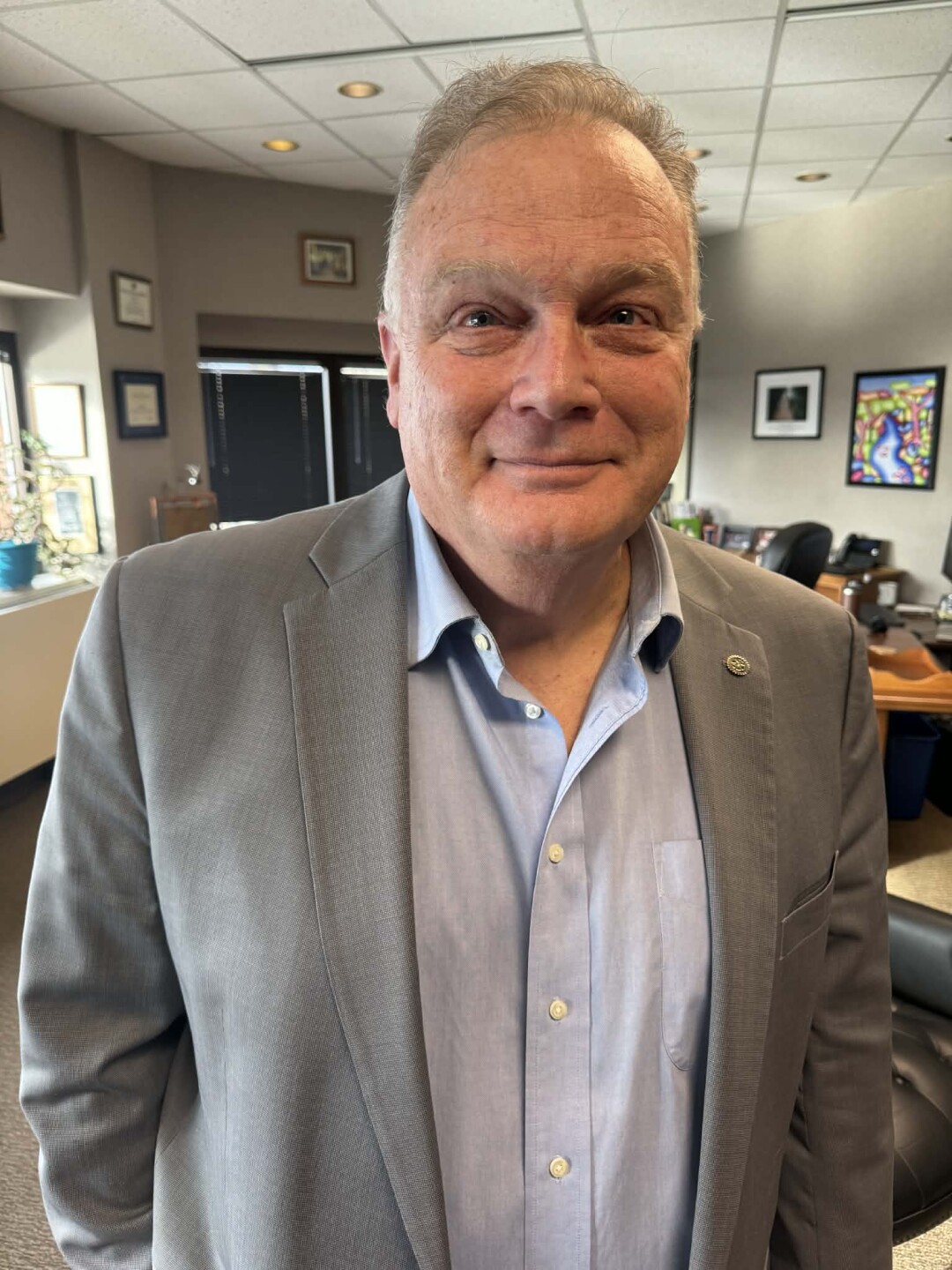
The original vision was written in 2009 as a 25-year plan to 2035. After the devastating August 2025 storm, MMSD Executive Director Kevin Shafer knew changes were needed.
"After this storm hit in August of 2025, I thought, we need to look at this. We can't say that this is a storm that was just so large you can't do anything about," Shafer said. "I started looking at the projects we had, the work we needed, and I thought, we need to accelerate some of that work."
Ana Cochrane lives just outside FEMA's high-risk floodplain near Jackson Park. She was spared during the August flooding, but knows others who lost a lot.
"I was watching TV… then it got windy, raining, hailing… thank God nothing happened in my basement, but a lot of my neighbors were impacted," Cochrane said.

Ben Essig wasn't as fortunate. His home suffered significant flood damage.
"We saw mold starting to grow. We had to pull out baseboards, flooring, drywall… lost a lot of stuff in storage," Essig said.

Luckily for Ben, insurance covered the damage.
Now MMSD wants to accelerate flood mitigation work — with four major basins finished by 2035. The Jackson Park basin alone would hold tens of millions of gallons of water, keeping it away from homes. Construction is expected to begin in 2027, about a year earlier than originally planned.
Watch: Jackson Park residents praise MMSD plan to move up flood basin timeline after August flooding
The 35th Street Basin has been moved up even more dramatically — from a 2029 start date to 2027, making it two years ahead of schedule. The Wilson Park project and Alro Steel basin will begin construction around 2031-2032.
The budget forecast lists a projected $53 total— spread over eight years— for a $200,000 home. However, each yearly increase would need to be approved by the MMSD commission.
"It's only adding 1% to that property tax increase, then it actually gets lower than the projection in those out years, because we pulled the projects forward," said Shafer.
Shafer said everything is paid for through property taxes for the capital improvements.
"Yes, I'd be willing to pay a little bit extra to be safer — and protect my neighbors as well," Cochrane said.
"It seems like a very low investment to prevent this from happening again… as long as it gets used for what it's supposed to," Essig said.
Parts of Jackson Park sit inside FEMA's one-percent-probability floodplain — an area with a one-percent chance of flooding every year. This basin could shrink that zone and lower the risk nearby. The work will remove another 1,400 to 1,500 structures from the floodplain, adding to the 2,500 structures already removed through previous projects.
Shafer says MMSD has invested $631 million over 30 years on flood mitigation, including places like Wauwatosa's Hart Park.
He explained why it's crucial to get these projects moving faster.
"People may think, well, it's not going to happen for another 1,000 years. That's not really how it works," Shafer said. "So we need to do everything we can, as quickly as we can to try to prevent future damages that might occur from another storm like this."
The overall flood management work moving forward totals around $900 million. Once the basins are completed, MMSD will be able to remove concrete-lined channels and naturalize waterways, creating habitat and recreational amenities while improving flood capacity.
"It just tears your heart out to see what people live through, to see them walking through their basement full of sewage and water, and to see all the damaged drywall and everything out on the street after a storm," Shafer said. "That's something we can do something about. We may not be able to stop it, but we're going to be able to reduce the risk of that happening again."
MMSD will seek community engagement through meetings with public partners before any annual increases are approved in October. The budget cycle includes morning and evening meetings where residents can voice support or concerns about the proposed changes.
Learn More: https://www.mmsd.com/what-we-do/flood-management
This story was reported on-air by a journalist and has been converted to this platform with the assistance of AI. Our editorial team verifies all reporting on all platforms for fairness and accuracy.
It’s about time to watch on your time. Stream local news and weather 24/7 by searching for “TMJ4” on your device.
Available for download on Roku, Apple TV, Amazon Fire TV, and more.

