



MILWAUKEE, Wis. — Two of Wisconsin's largest hospital systems announced they will no longer provide gender-affirming care to patients under 18, leaving families scrambling for answers and alternative treatment options.
Children's Wisconsin and UW Health System both cited "recent federal actions" as the reason for discontinuing these services.
The decision comes one month after HHS Secretary Robert F. Kennedy announced the Trump administration would take steps to end transition-related care for minors nationwide.
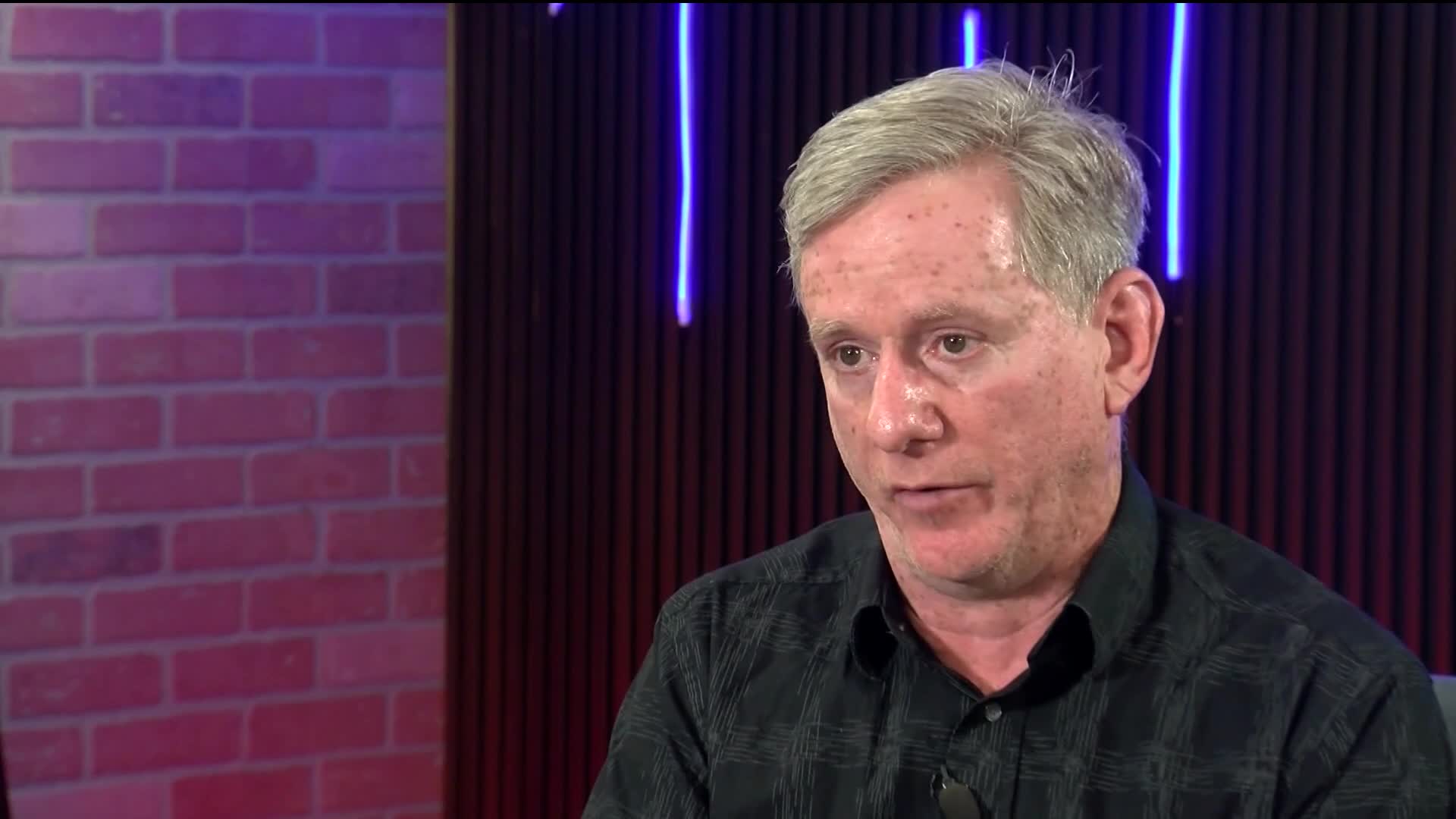
Paul Rossetto, whose teenage son has been receiving gender-affirming care at Children's Wisconsin for the past two years, said he learned about the change through TMJ4's Chief Investigative Reporter Jenna Rae, rather than direct communication from the hospital.
"It's pretty infuriating that they would stop this," Rossetto said. "We've really appreciated what they've done so far, and we wish they could continue it."

Rossetto expressed frustration about the lack of direct communication from the hospital systems about the policy change.
"It's terrible, it's pretty devastating. It's something that we would've liked to be communicated with directly that this was a decision that was going to be made or even up for consideration," Rossetto said. "If we hadn't been contacted by TMJ4, we never would've known, as far as I'm concerned."
Watch: 'We never would've known': People who receive gender-affirming care left in the dark about treatment changes
The announcement has left current patients uncertain about whether they can continue their existing treatment plans.
A year ago, some services were paused for new patients but continued for those already enrolled in programs. However, the recent statements from both hospital systems did not clarify whether existing patients would be affected.
"The statement this morning didn't really indicate whether or not it was for existing or new patients or both," Rossetto said.
Both Children's Wisconsin and UW Health sent us statements. We asked for further clarification because a lot of unanswered questions remain; however, neither spokesperson for either hospital responded back to us.
Rossetto warned that the decision sets a concerning precedent about government involvement in medical care decisions.
"The most important thing for people to remember is that even if they're not supporters of the LGBT community and they agree with this decision, it sends a message that the government does have the ability of what your children get in terms of medical care," Rossetto said. "It makes me wonder what other health services are being considered to be eliminated that people aren't gonna find out about until they need them."
Here's the full statement from Children's Wisconsin:
"At Children’s Wisconsin, we strongly believe everyone, including LGBTQ+ kids, should be treated with the support, respect, dignity and compassion they deserve. We are communicating to patients that due to escalating legal and federal regulatory risk facing systems and providers across the nation, we are currently unable to provide gender affirming pharmacologic care. Mental and behavioral health services will continue for patients and families who wish to receive this care from us."
And the statement from UW Health:
"UW Health is committed to providing high-quality, compassionate and patient-centered care to our patients and families, including LGBTQ+ patients. Due to recent federal actions, UW Health is pausing prescribing puberty blockers and hormone therapy as part of gender affirming care for patients under 18 years of age. We recognize the uncertainty faced by our impacted patients and families seeking this gender affirming care and will continue to support their health and well-being."
This story was reported on-air by Jenna Rae and has been converted to this platform with the assistance of AI. Our editorial team verifies all reporting on all platforms for fairness and accuracy.
It’s about time to watch on your time. Stream local news and weather 24/7 by searching for “TMJ4” on your device.
Available for download on Roku, Apple TV, Amazon Fire TV, and more.
