



MILWAUKEE —
It's been a rough stretch of cold weather for southeast Wisconsin, and that means higher demand for energy.
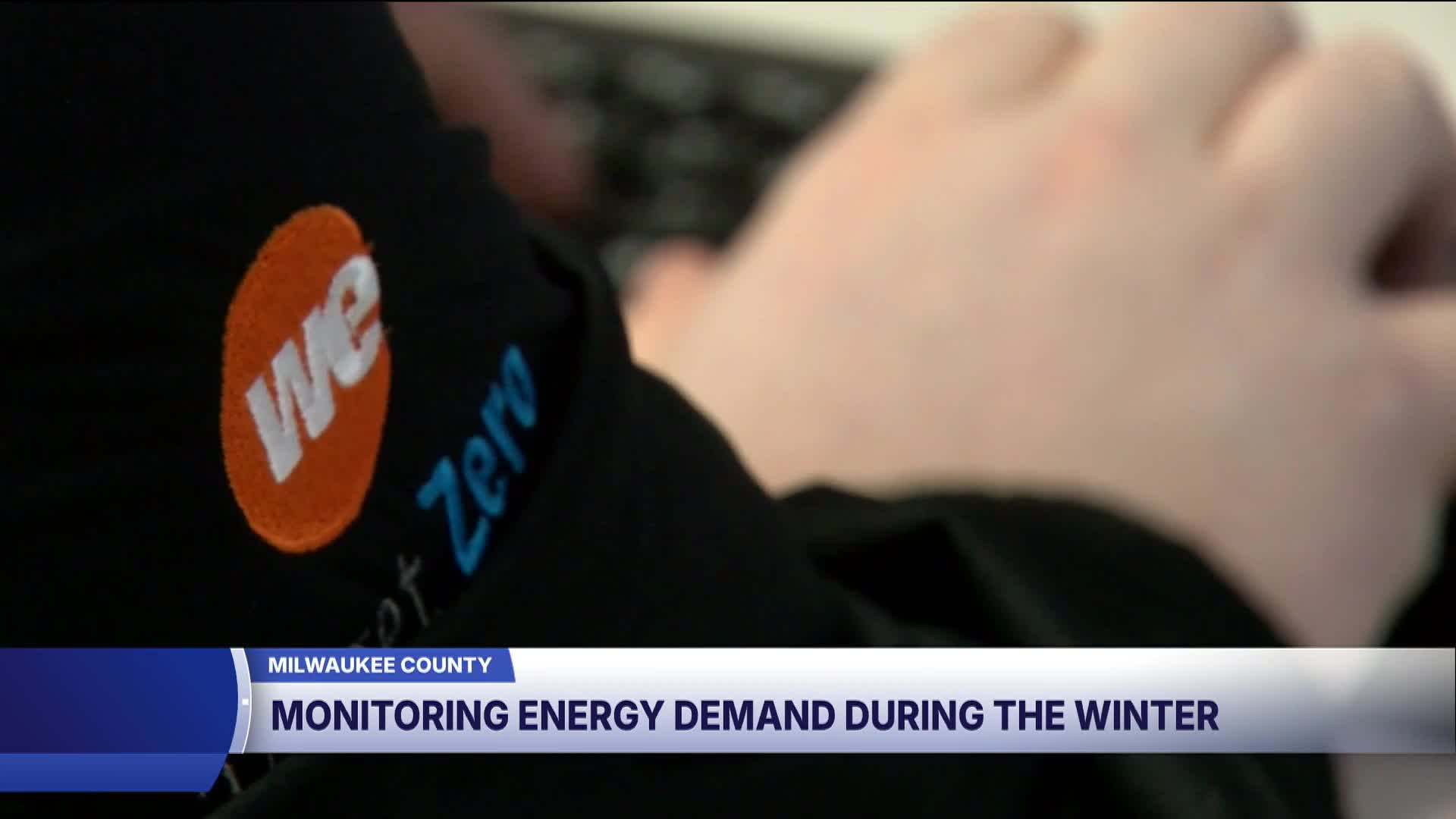
TMJ4 visited a We Energies System Operations Center to see how they stay on top of energy needs in the winter. January was five degrees below average, nowhere near the coldest ever on record. Milwaukee did have six out of 10 days below zero, starting on January 19th, and Wednesday is the 19th straight day below freezing since January 17th.
Matt Beilfuss, is an accountant by trade, so he's a numbers guy, especially when temperatures drop below zero. He oversees We Energies system operations, making sure it's all systems go when energy demands surge or spike.
"We reached a peak demand for this winter, not an all-time peak," Beilfuss said. "It really required us to run almost most of our infrastructure, all of our generators that were called on, our liquefied natural gas plants were in play."
The operation center requires constant vigilance to meet energy demands safely.
"Constantly monitoring, coordination, calls are constantly going on, monitoring the system to make sure that the energy needs are being met, and the system is being operated safely," Beilfuss said, director of Wisconsin System Operations.
Higher demand and extreme low temperatures will mean higher electric and natural gas bills for January.
But We Energies says investments in expanding its natural gas infrastructure helped them buy it and store it at lower costs.
"The fill generally occurs when there's not a lot of heating load in the summer, and then in the winter, when it's needed, it's injected into the system," Beilfuss said.
Watch: No off‑season: The people and systems keeping power on in arctic cold temps
When there is an outage, the operations center helps identify where field crews are located and needed. We Energies engineer Amy Plato, makes sure they can get there.
"We want to make sure that we understand where the crews are when we're dispatching the work," said Plato, manager of Gas and Electric Distribution. "That's very important because we want to make sure that we get the crews or the dispatch, the crews to the outage as soon as we can. It's really critical for us to make sure that we restore our customers in the least amount of time."
There really is no off-season for energy monitoring - it ebbs and flows throughout the year.
This story was reported on-air by Charles Benson and has been converted to this platform with the assistance of AI. Our editorial team verifies all reporting on all platforms for fairness and accuracy
It’s about time to watch on your time. Stream local news and weather 24/7 by searching for “TMJ4” on your device.
Available for download on Roku, Apple TV, Amazon Fire TV, and more.
