



SHEBOYGAN, Wis. — As electric bikes continue growing in popularity across Wisconsin, recent crashes involving teens in Sheboygan are raising new questions about safety, rider education and whether families understand the difference between legal e-bikes and higher-powered e-motos.
READ ALSO|14-year-old killed in Sheboygan e-bike crash identified
On Tuesday, Sheboygan police said a 14-year-old girl was riding what officers described as an illegal electric bike north on North 10th Street when she failed to stop at a stop sign at North Avenue and was struck by a westbound vehicle.
The teen and her 13-year-old passenger suffered non-life-threatening injuries.
Police cited the 14-year-old for operating a motor vehicle without a driver's license and failing to stop at a stop sign.
The crash came less than two weeks after another fatal e-bike crash involving a 14-year-old boy in Sheboygan.
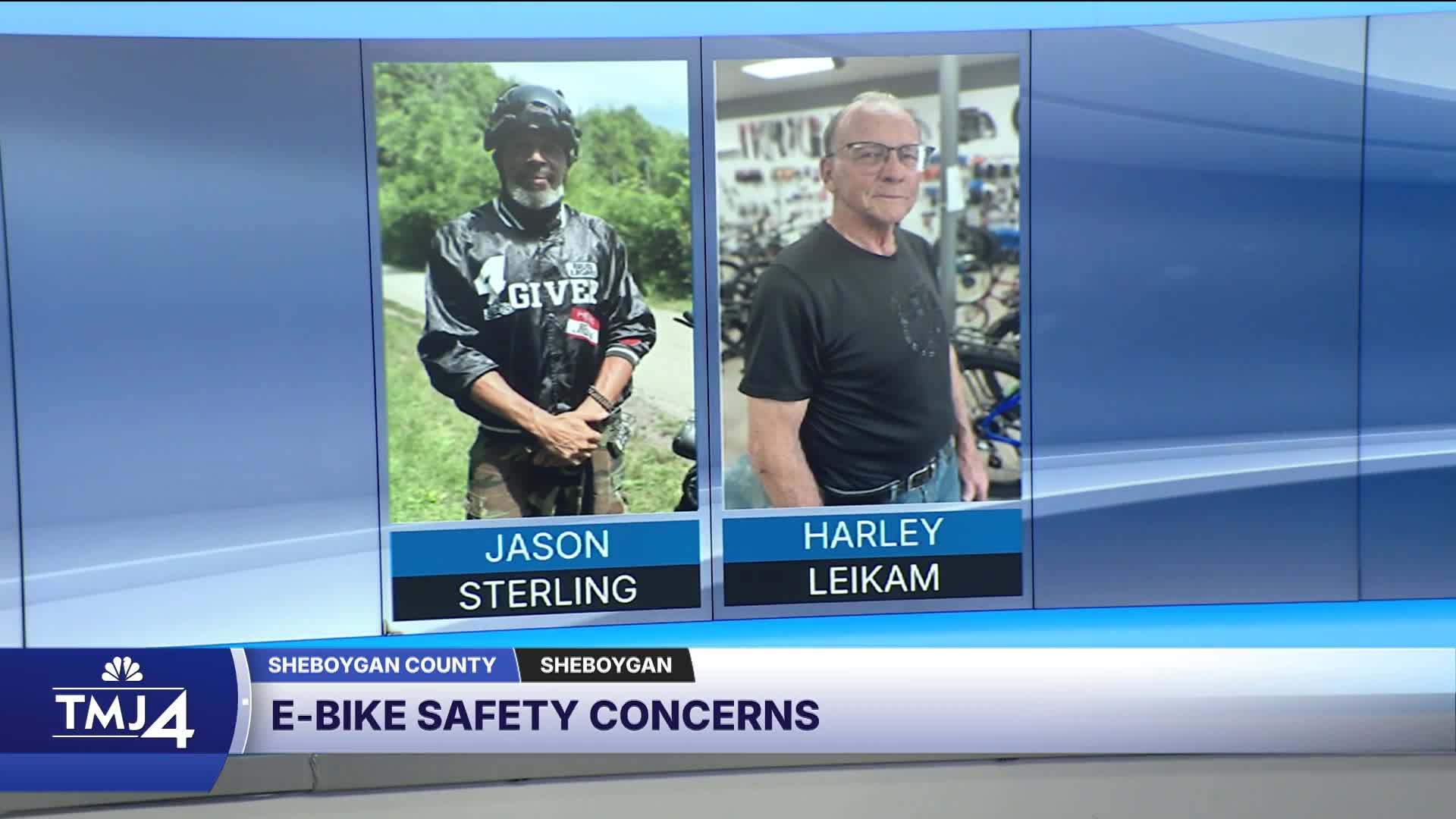
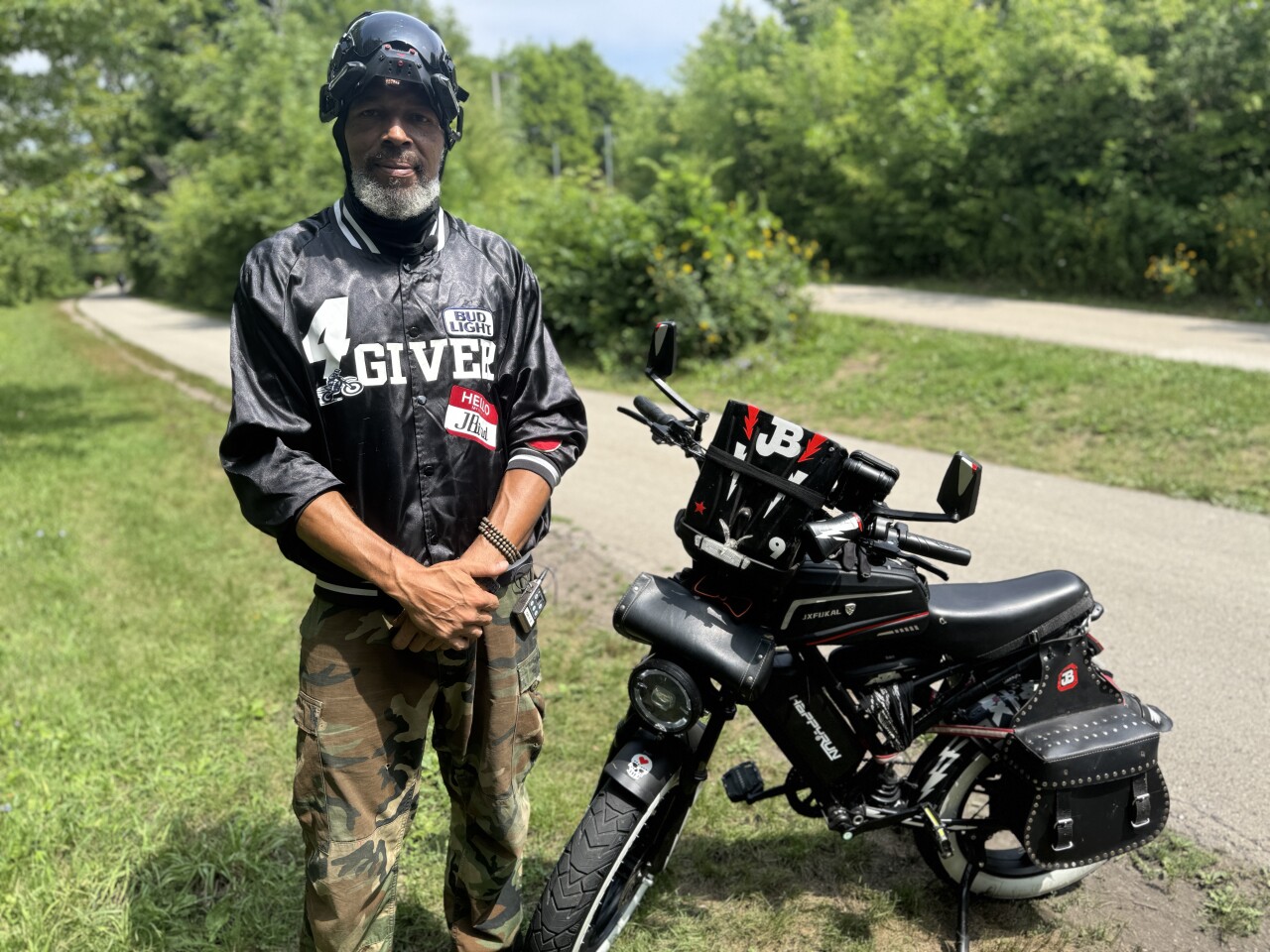
For Milwaukee rider Jason Sterling, known as “JBird,” legal e-bikes can be a fun and efficient way to explore communities and travel around town.
“You’re at the perfect pace where it allows you to pull over and enjoy whatever you encounter,” Sterling said.
But Sterling said not all electric bikes are the same.
“There’s a difference, and it’s an e-motorcycle,” he said of higher-powered models that can reach much higher speeds and resemble dirt bikes or mopeds.
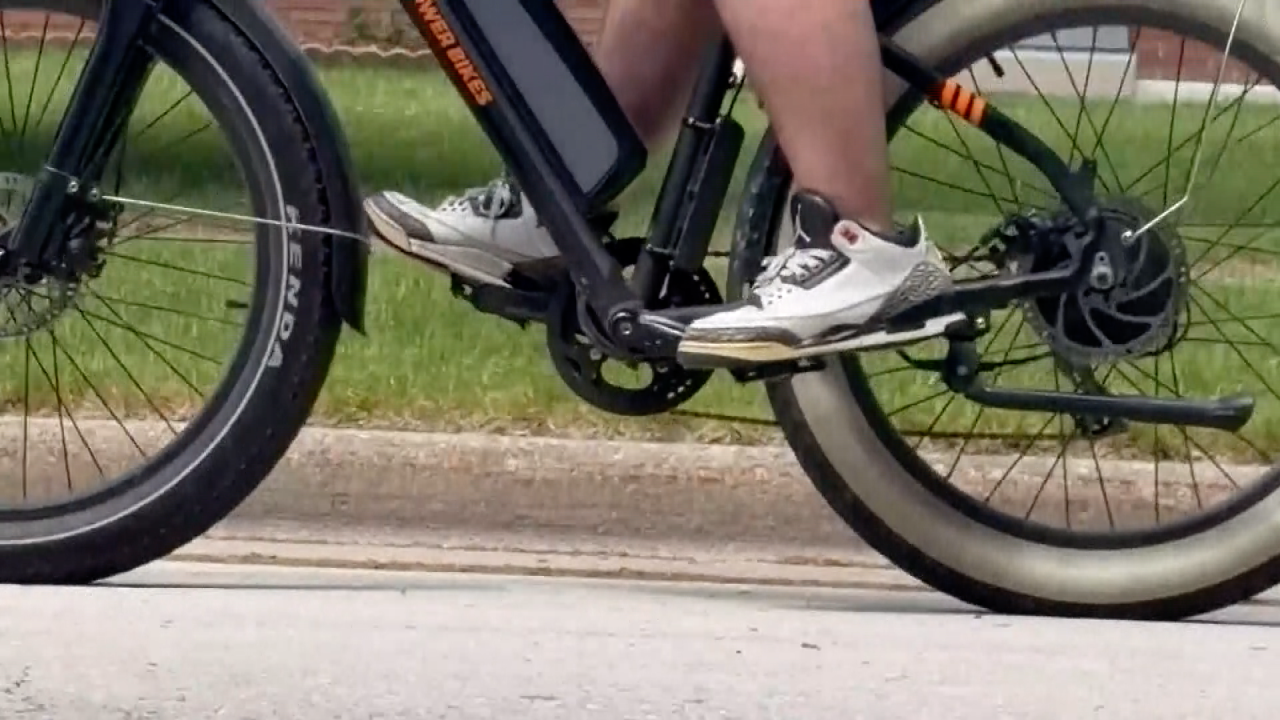
Under Wisconsin law, legal e-bikes generally fall into Class 1, 2 or 3 categories and are limited by speed and motor power, typically topping out between 20 and 28 mph. Higher-powered e-motos can travel much faster — some reaching 40 mph or more — and may legally qualify as motor vehicles or motorcycles requiring registration, licensing and insurance.
Watch: Sheboygan bike shop owner, e-bike enthusiast stress safety after teen crashes
Many higher-powered e-motos either lack functional pedals entirely or use motorcycle-style foot pegs, making them operate more like motorcycles than traditional bicycles.
Harley Leikam, owner of Wolf Cycle & Fitness in Sheboygan, said many parents may not fully understand what they are buying for their children.
“If they’re out of a standard Class 3 e-bike, it’s not an e-bike anymore — it’s an e-moto,” Leikam said.

Leikam said his shop does not sell e-bikes to anyone younger than 18 because of safety concerns and the higher speeds some models can reach.
“It’s the parents are the biggest problem,” he said. “They’re the ones that are buying these things for the kids without knowing anything about them.”

Children’s Wisconsin said it is seeing a “dramatic increase” in children arriving at emergency departments and urgent care centers with injuries involving e-bikes, e-scooters and e-motos.
Medical experts there said many of the injuries resemble motorcycle crashes more than traditional bicycle accidents because of the higher speeds involved.
Sterling said parents should avoid buying high-powered e-motos for younger teens and instead focus on lower-powered legal e-bikes while emphasizing safety and rider education.
“Don’t buy them the class six bike at all if they’re 13 or 14,” Sterling said. “Just don’t do it.”
Children’s Wisconsin recommends children under 12 not ride e-bikes, e-motos or e-scooters and says helmets should be worn on every ride.
Both Sterling and Leikam said helmets, training and understanding the rules of the road are critical as e-bikes become more common on Wisconsin roads and trails.
It’s about time to watch on your time. Stream local news and weather 24/7 by searching for “TMJ4” on your device.
Available for download on Roku, Apple TV, Amazon Fire TV, and more.