

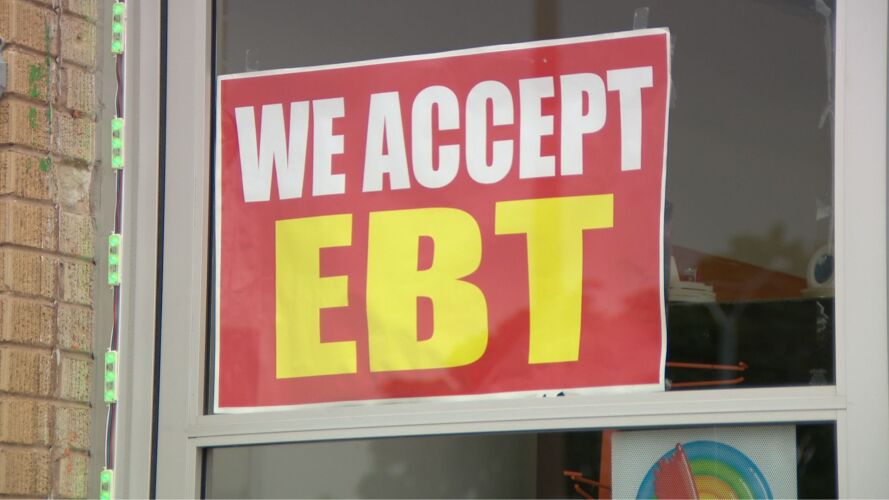


MILWAUKEE — A new federal rule will require grocery and convenience stores that accept Supplemental Nutrition Assistance Program benefits to stock more food varieties — and a small grocery store in Milwaukee's Sherman Park neighborhood says the change will affect both its bottom line and its customers.
The U.S. Department of Agriculture's Food and Nutrition Administration will require retailers that accept SNAP benefits to carry 7 varieties of items across 4 categories of staple foods: protein, grains, dairy, and fruits and vegetables. That is more than double the number of foods currently required in each category.
Maurice Wince, owner of Sherman Park Grocery Store, said more than a third of his customers rely on federal assistance. He said small businesses like his fill a critical need in the community.
"We know that there's a razor-thin profit in groceries," said Wince.
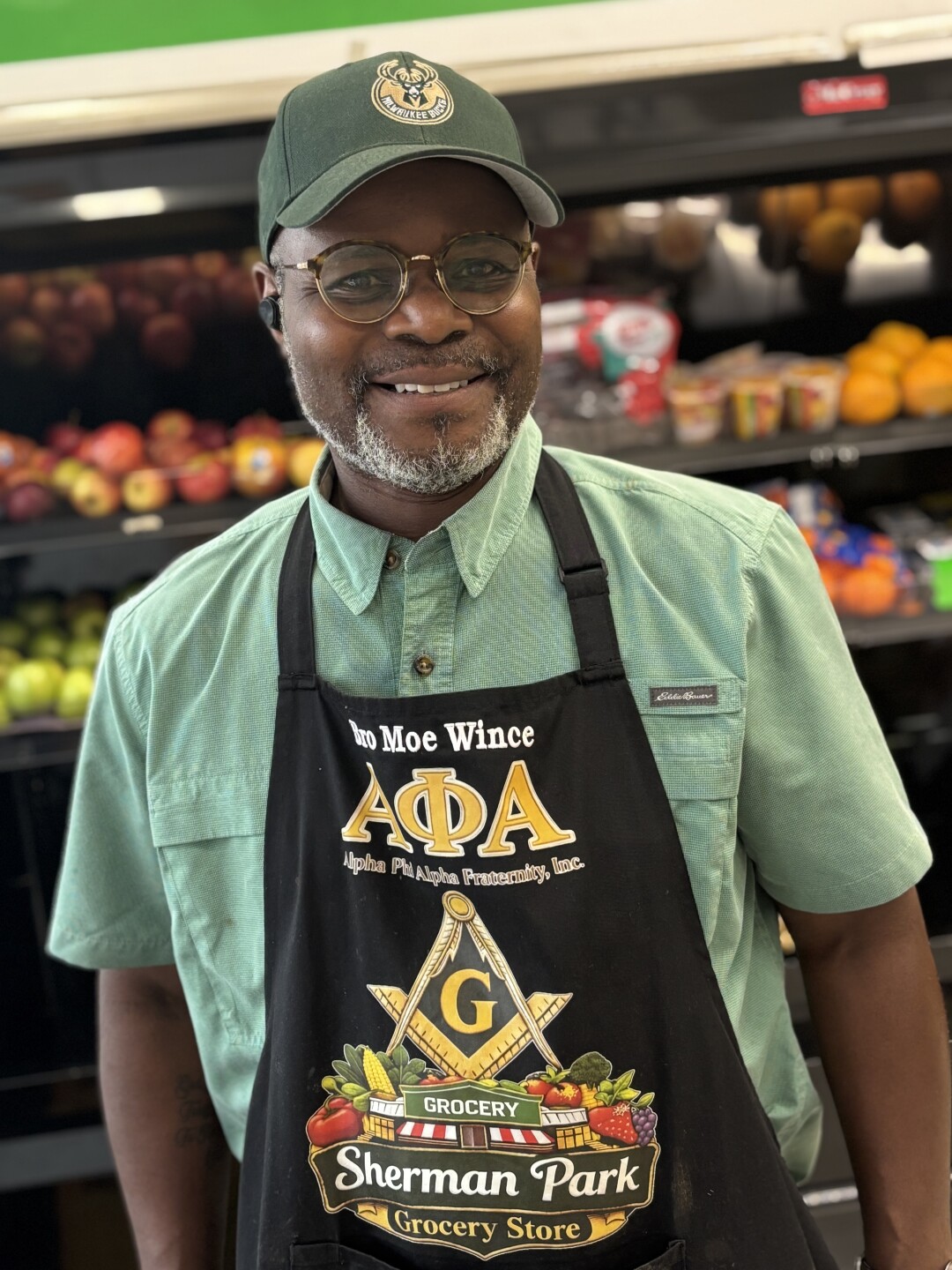
Wince said any increased costs tied to the new requirements would ultimately be passed on to the people who can least afford it.
"Any increase in vendor costs and purchasing and increasing those things, that cost is literally passed on to the customers. Those customers are with WIC and SNAP benefits," said Wince.
He said the departure of larger retailers from neighborhoods like Sherman Park has made stores like his essential.
"Not just grocery stores are leaving, but pharmacies are leaving, and we're finding ourselves in food insecurity and pharmacy insecurity. And folks like myself are still committed to the vision and the mission, and saying we're here," said Wince.
When the rule was announced, U.S. Secretary of Agriculture Brooke L. Rollins said the requirements put "real food first." She also said:
"SNAP authorized retailers accept over $90 billion a year, or $236 million a day, in taxpayer dollars — USDA is making sure they're actually in the business of selling food."
Wisconsin Gov. Tony Evers published a letter to Rollins Tuesday urging her to rescind the rule, saying it would harm small businesses and Wisconsinites who rely on smaller stores.
Watch the story on how a Local grocer warns new federal SNAP rule could strain small stores serving underserved communities...
Wince said the stakes go beyond business.
"Food is justice, access to fresh fruits and vegetables are just plain justice," said Wince.
The Hunger Task Force also weighed in, saying in part:
"Hunger Task Force is concerned that these changes will impact both small and combination stores, which are critical points of food and grocery access in rural communities and food deserts across our state. These requirements will primarily impact those stores and potentially risk their ability to continue to accept SNAP benefits. According to the USDA, small grocery stores make up nearly 70% of all SNAP retailers nationwide."
The USDA says SNAP retailers must implement the new requirements no later than Nov. 4.
It’s about time to watch on your time. Stream local news and weather 24/7 by searching for “TMJ4” on your device.
Available for download on Roku, Apple TV, Amazon Fire TV, and more.

