

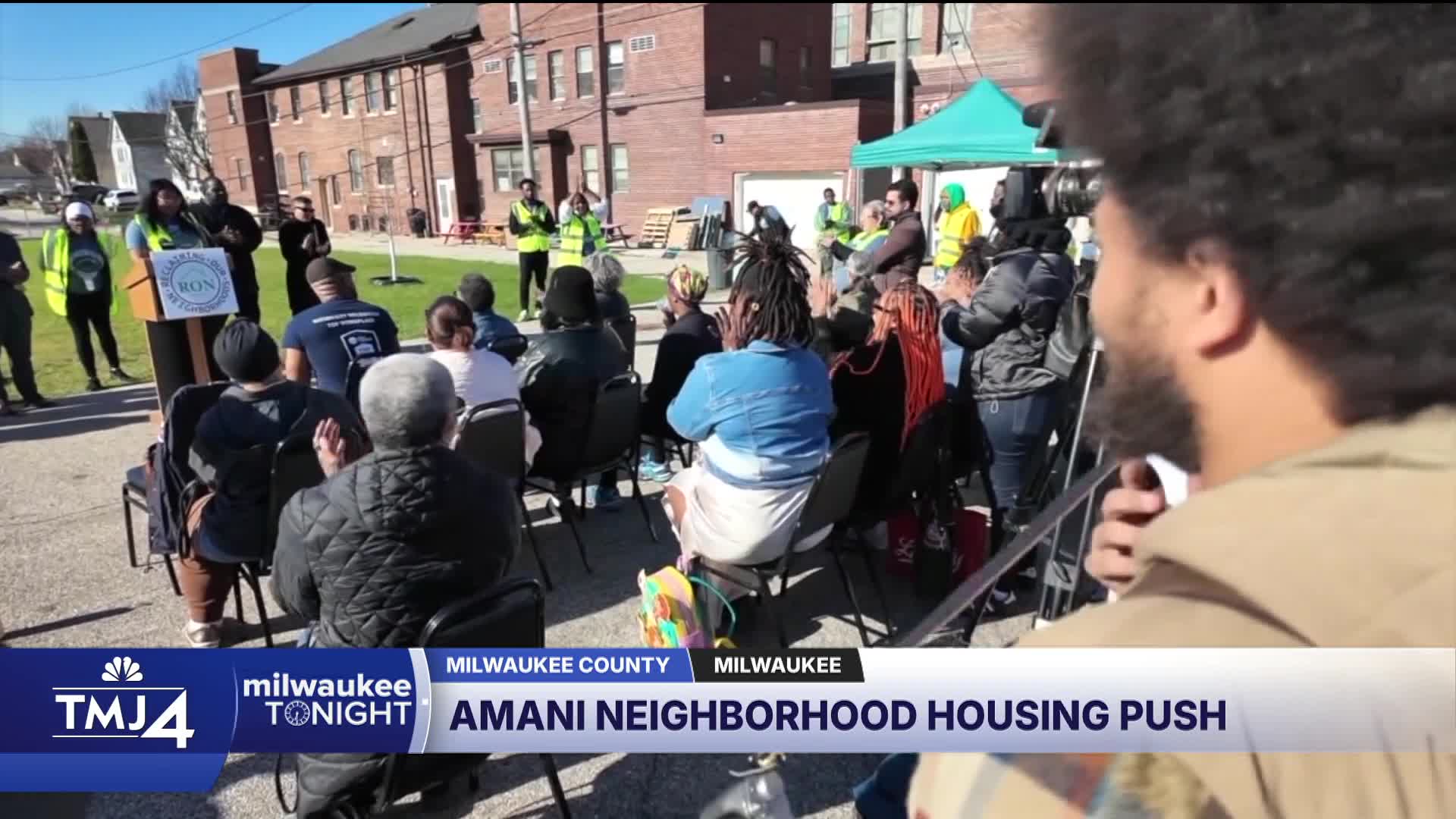


A $1.2 million housing tax-credit award is moving 40 new single-family homes closer to construction in Milwaukee’s Amani neighborhood, marking the latest step in a broader, resident-driven effort to transform vacant lots and expand affordable housing.
The Wisconsin Housing and Economic Development Authority awarded the low-income housing tax credits to Emem Group. The developer’s 40 homes are part of a larger plan to bring more than 90 affordable homes to scattered vacant lots throughout Amani.
This latest development follows months of resident organizing, surveys and community conversations about housing. Earlier this year, TMJ4 walked Amani blocks with residents as they surveyed vacant and deteriorating properties in an effort to hold landlords accountable. Since then, neighbors have continued weighing in on what should be built and who should benefit.
Watch: $1.2 million tax-credit award moves 40 new Amani neighborhood homes closer to reality
Amani homeowner Dana Williamson said people outside the neighborhood often focus on its challenges without recognizing the community that already exists there.
“We live here. We, we have fun here. We sit on the porch here, we have barbecues here. My block is, we always, we take care of each other, and I think the, the part that is missed is that, regardless of some of the challenges, we’re still family here,” Williamson said.

The housing initiative grew out of a roughly two-year planning effort involving Amani United, the Dominican Center, the Community Development Alliance and neighborhood residents. Milwaukee Habitat for Humanity, Milwaukee Community Crossroads and Ezekiel Hope are also expected to build homes through the broader initiative.
The WHEDA award builds on an April commitment from Northwestern Mutual of more than $3 million over three years to support the construction of more than 90 Amani homes. The company said the investment is part of a larger effort to help complete 500 affordable homes across Milwaukee by 2030.
That April announcement also brought together the City of Milwaukee, local developers and nonprofit partners through a proposed affordable-housing tax incremental financing district. Northwestern Mutual’s release said only 32% of Amani residents own homes and more than 64% of the neighborhood’s existing houses were built before 1940.
Britney Roberson, executive director of the Dominican Center, said the latest investment represents an important moment for a neighborhood that has experienced decades of disinvestment.
“I am looking forward to the growth that the community is going to see in this. We have been a community that has seen large disinvestment over the last, honestly, 50 or so years, so it’s nice seeing new development coming in,” Roberson said.

Roberson said residents have consistently identified three housing priorities.
“So for them, that’s home ownership, that’s affordability, and that’s stable rentals, right?” Roberson said.
Organizers are also trying to account for the neighborhood’s intergenerational families. Roberson said residents want housing designs that can support larger households and preserve the kinds of homes and duplexes that have traditionally existed in Amani.
The construction timeline is not yet final. Roberson said organizers had originally hoped work could begin between August and October, but the development still must move through city hearings and approvals, including consideration of the proposed tax incremental financing district.
“We are in the hearing stage,” Roberson said.
Affordability remains one of the Dominican Center’s biggest priorities. Roberson said the organization wants the development to serve residents earning $30,000 or less and hopes some monthly rents can fall between $800 and $1,000. Those figures are goals and have not been presented as finalized prices.
“For Dominican Center in particular in our residents, our focus has always been to make sure that we can support residents who are making $30,000 or less. That is our goal,” Roberson said.
She said organizers have spent about a year helping residents prepare for the new housing opportunities.
“We don’t want to be developing something that they can’t take advantage of,” Roberson said. “So we’re trying to make sure qualifications suit them, we’re trying to make sure income suits them.”
“But again, we want to make sure that those who want to stay in the neighborhood can stay in the neighborhood,” she added.
Neighbors say that will require continued transparency and accountability.
Williamson said Amani United and the Dominican Center have created opportunities for residents to express what they want.
“We’ve gotten, we’ve gotten a great ear to listen to what the residents have and what they want,” Williamson said.
Amani homeowner Helen Reynolds said more work is needed to ensure the entire neighborhood understands the project and has a meaningful role in the process.
“Have you done your very best? Have you done all that you could do to inform residents, to involve residents, and to engage residents for something like this? This is huge. 100 homes in Amani. That’s huge,” Reynolds said.
Reynolds, who built her Habitat for Humanity home in Amani 14 years ago, said neighbors are excited about new construction but also have questions about displacement, eligibility and rising property taxes.
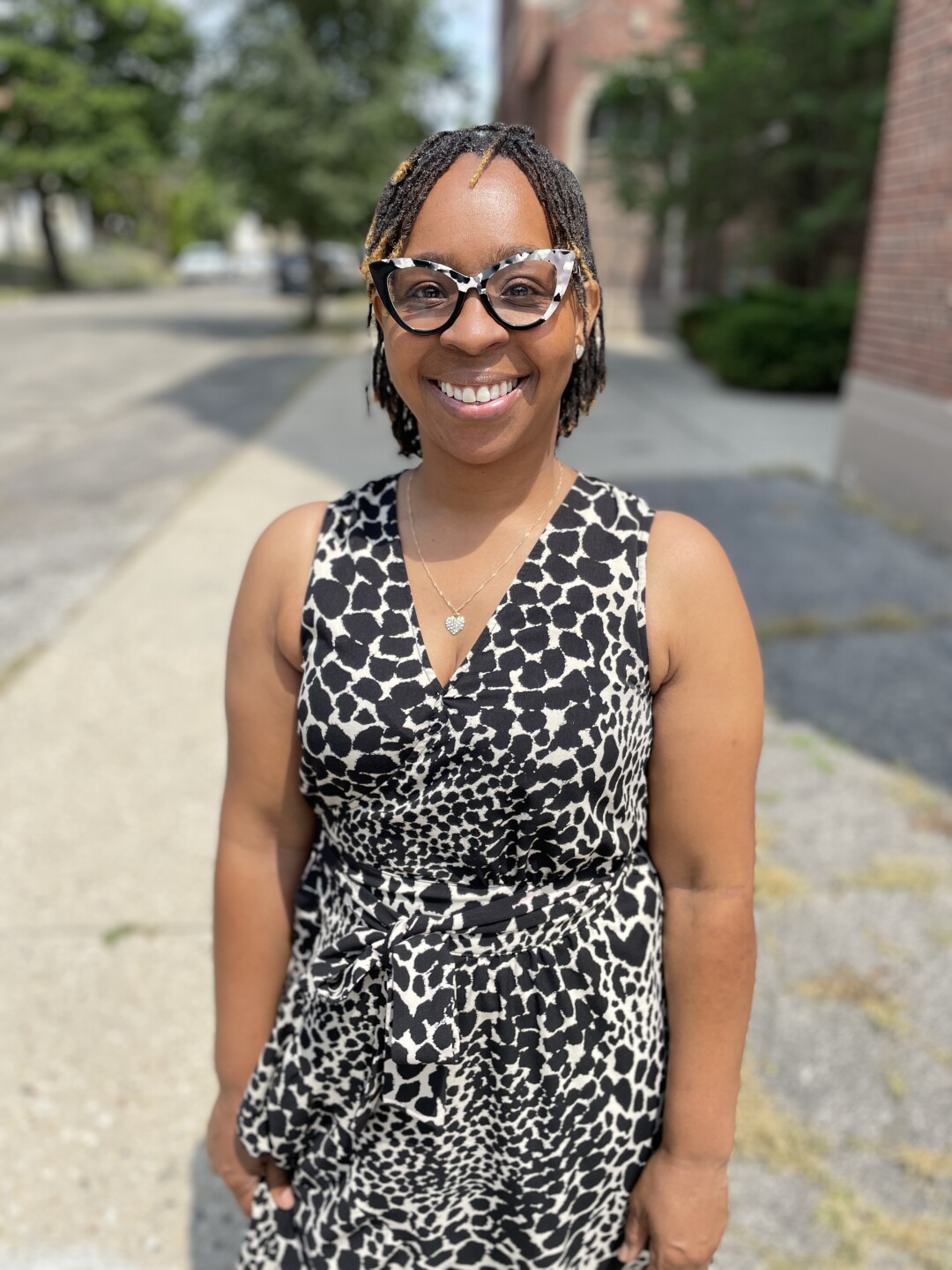
“People are definitely concerned. Elderly people, what about our, our elderly people who are retired and on fixed incomes? These are all concerns for residents of Amani, and I think that those things haven’t been properly addressed as well,” Reynolds said.
She also wants organizers and developers to make sure the homes reach the people they are intended to serve.
“The end result is who’s going to monitor this process to make sure that the people that are in need of these homes are actually getting these homes, that the programs are geared toward making the requirements fair, right, to actually be able to get the homes and not just people from other places that don’t reside already in Amani,” Reynolds said.
For Reynolds, those questions come from understanding firsthand how deeply homeownership can change a family’s life.
“It was life changing. It was like not the American dream, but the human rights dream being fulfilled. It meant that I was going to have safe, affordable housing for my family,” Reynolds said.
She said successful homeownership also requires ongoing guidance.
“But that’s not, it’s not about just getting the keys though,” Reynolds said. “It’s the education that’s continual.”
For years, vacant lots and deteriorating houses have created gaps between occupied homes throughout Amani. Reynolds said replacing those spaces with safe, affordable housing could begin changing how residents see their neighborhood and its future.
“It gives them hope that right now is not forever. It gives them hope that change is actually occurring,” Reynolds said.
Organizers say residents can continue sharing their priorities and concerns through the Dominican Center’s Amani Resident Housing Survey. Information about the proposed financing and upcoming public discussion is also available through the City of Milwaukee’s Zoning, Neighborhoods and Development Committee.
Here is the link to the survey: Dominican Center - Amani Resident Housing Survey – Fill out form [forms.cloud.microsoft].
Here is the information for the Z&D meeting: City of Milwaukee - ZONING, NEIGHBORHOODS & DEVELOPMENT COMMITTEE [milwaukee.legistar.com]
TO LEARN MORE ABOUT THE DOMINICAN CENTER VISIT. https://www.dominican-center.org
It’s about time to watch on your time. Stream local news and weather 24/7 by searching for “TMJ4” on your device.
Available for download on Roku, Apple TV, Amazon Fire TV, and more.

