



MILWAUKEE, Wis. — It's been nearly two weeks since Milwaukee students are back in the classroom, and a new TMJ4 investigation in collaboration with The Trace reveals gun violence has become a reality many children experience long before they step foot inside a school.
PART ONE - THE DATA BREAKDOWN
In part one of 'Too Close to Class', we broke down the findings of our investigation with The Trace, a national nonprofit newsroom that focuses on gun violence in America and gathers data surrounding it.
We studied shootings that happened within a 500-yard radius of schools in Milwaukee from 2017 to 2025. Our investigation showed there have been more than 4,100 shootings near Milwaukee-area schools from 2017-2025.
Data shows Milwaukee has the second highest rate of school-adjacent shootings in the nation.
Now, we dive into the schools with the most nearby shootings, where they're located, and talk to experts about what's contributing to the violence in certain neighborhoods.
PART TWO - BEARING THE BURDEN
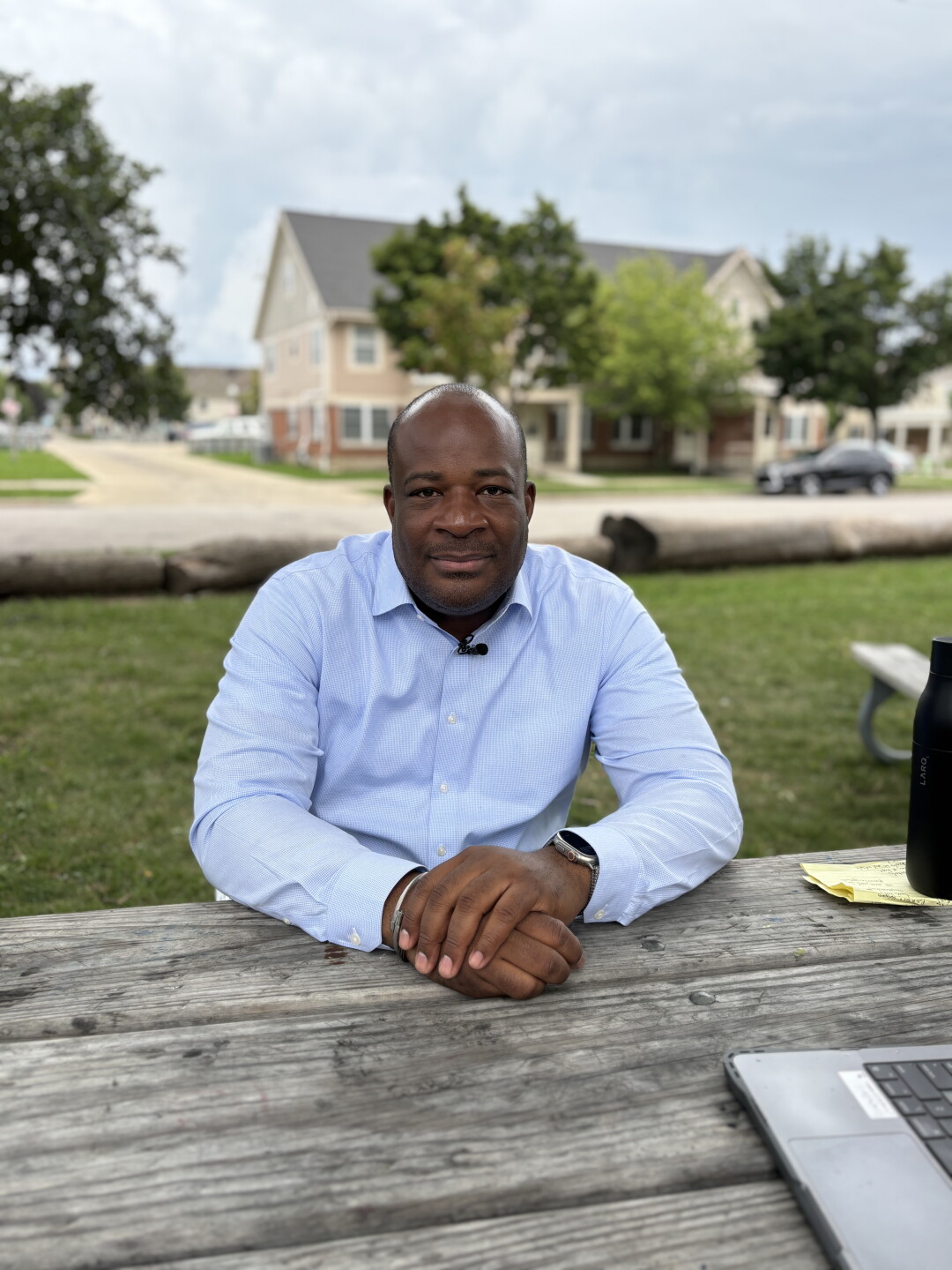
"I remember seeing my first chalk outline and not really knowing what it was," Reggie Moore said while walking down 12th Street near Vine just northwest of downtown Milwaukee.
A lesson Moore grew up learning on his way to school as a kid.

"When I got back home is when I think it really hit me to understand someone lost their life...not knowing that I would also start to lose friends in my own neighborhood or to know people personally who had been killed due to gun violence," Moore explained.
It's one of the many reasons Moore's now the Director of Community Safety Policy and Engagement at the Medical College of Wisconsin. He helps communities find ways to prevent violence in the very city he was raised.
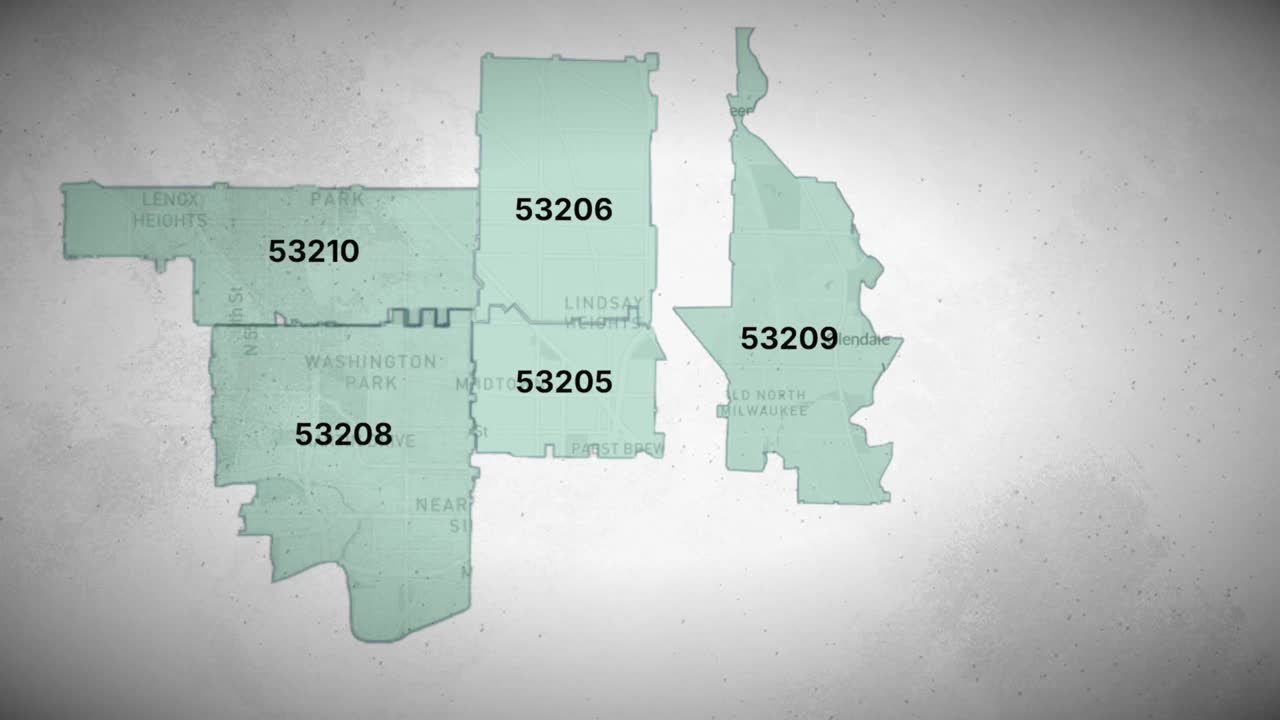
Moore grew up in 53205, a ZIP code that emerged in our investigation that studied shootings near Milwaukee schools.
"At first, it was shocking, you know, and it was hard to believe, but at the same time, when we look at many of the disparities in our city, this is yet another indicator of a list we don't want to be on," Moore said.
The list shows that only some Milwaukee children are bearing the burden.
The 10 schools with the most nearby shootings are concentrated in one area of the city, covering these five ZIP codes: 53205, 53206, 53208, 53209, and 53210.
In all five of those ZIP codes, thousands are living in poverty. But in 53205 and 53206, nearly half of the people living there fall below the poverty line.
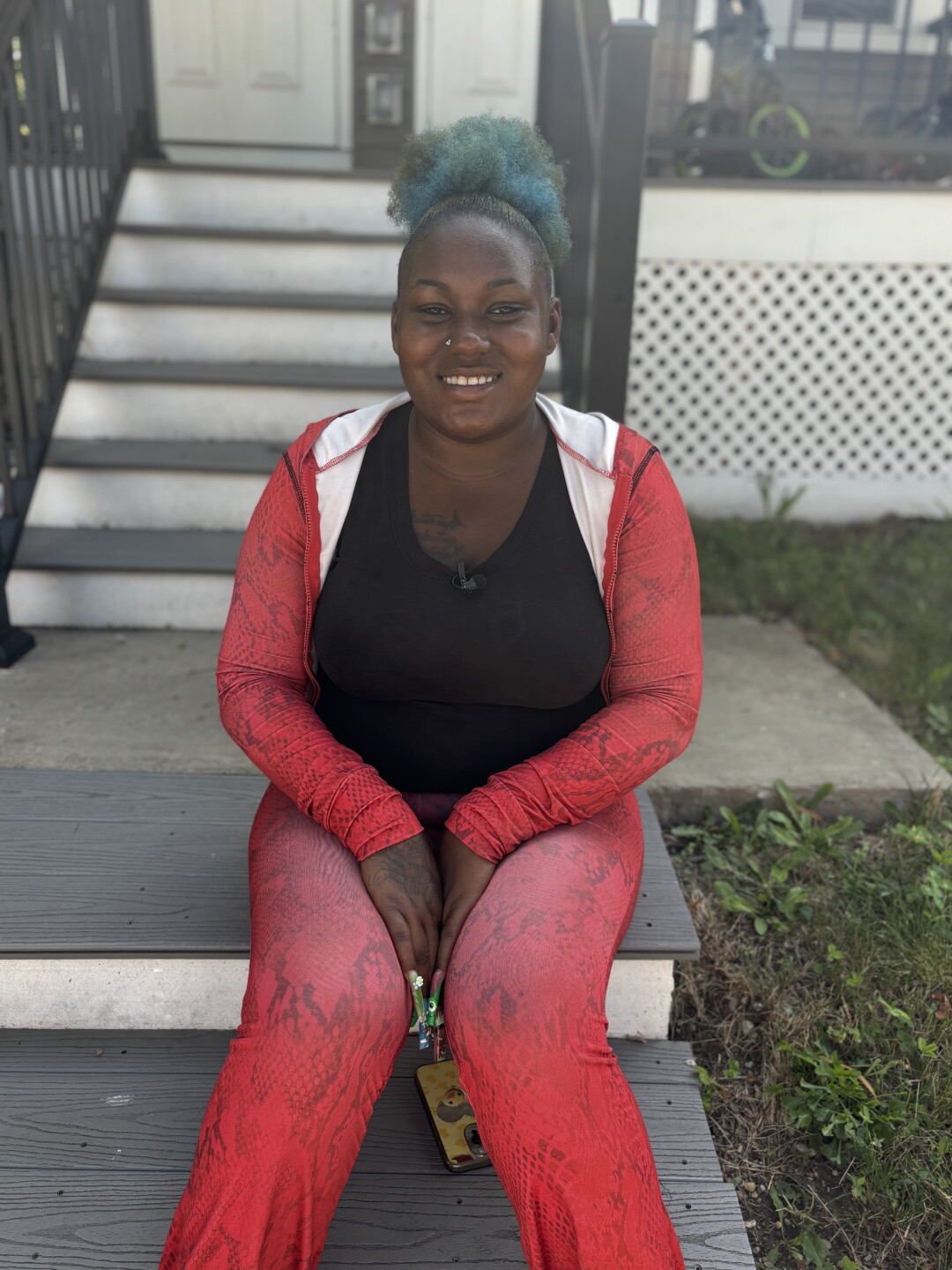
"It's not fair, but it's so many different things like against people particularly of my skin tone anyways," R'Tianna Williams said.
We introduced you to Williams in part one of 'Too Close to Class'. She lives across the street from the school with the most nearby shootings in the period studied, Milwaukee College Preparatory School on 36th Street.
That data also shows, these are largely Black communities in one of America's most segregated metropolitan areas.
"It wasn't until we started to venture outside of your neighborhood that you saw, 'Oh, there's not a liquor store on every corner in certain neighborhoods of the city', or 'There are more grocery stores in other areas of the city than your area,'" Moore said.
"It starts to paint a picture that 'Oh, every neighborhood is not created equal,'" he added.
It's a picture Moore said he wanted to help change.
"Although there's a significant amount of struggle, there's also a significant amount of resilience, but in the face of that resilience, we also have a responsibility as a society to address those systemic factors," Moore said.
SYSTEMIC FACTORS AND DIVESTMENT CONTRIBUTE TO VIOLENCE, EXPERTS SAY
Factors like limited employment and economic opportunity and a lack of resources and quality housing were prioritized by Moore and other city and community leaders from 2016 to 2021 while he led the city's Office of Violence Prevention. Moore, along with community leaders and organizations, came together to form the Blueprint For Peace which identified how the city, as a whole, planned to interrupt violence with the hopes of seeing the numbers dwindle.
From 2016 to 2019, Milwaukee saw a steady decrease in fatal and non-fatal shootings. When the pandemic hit in 2020, the city saw unprecedented numbers in crime, but specifically in homicides. Shootings skyrocketed during that time and so did the ones near schools.
"There were policy decisions made, there was divestment made over generations, and so those are the factors when we look at concentrated violence around the country...and you overlay high unemployment, low educational attainment, etcetera, those are the factors that often times will overlay with violence," Moore explained.
Today, when you drive through those same communities you see closed down storefronts and dilapidated buildings for blocks, showing what's been lost.
"We don't really have no other grocery store over here, and then you know, they closed that Walgreens down there on 27th Street, so they took that away too," Williams said.
On top of living near the school with the most nearby shootings in the nine-year period studied, Williams also lives near the shuttered Pick n' Save off 36th and North. She has to drive or take transportation to get to a store with fresh food.
"Looking at what else is happening in the environment that is affecting the trajectory of lives of the children and families that live there," Moore said.
THE GOOD NEWS - INTERVENTION SOLUTIONS ARE WORKING
Since 2022, shootings in Milwaukee have gone down, and so have shootings near schools. It's a testament to the work being put into the community.
"If we don't wrap our arms around this, the success we're starting to see in the declines will reverse, and so again, this is not by accident that we're seeing these declines, and I think it's important that there's a commitment to stay the course," Moore explained. "This is a data point that again, should inform policy makers, that should inform community leaders, that should inform violence intervention work."
A lesson Moore said we've learned from, made changes to, and have seen the work.
Remembering that those numbers on a list are face, names and neighbors too.
"I live in Milwaukee. This is my city, and I know people who live in these neighborhoods. We don't live by the data, right. We live by our neighbors, we live by the people we know and love," Moore said.
TMJ4's investigation doesn't end here. Over the next several weeks and months, we'll be examining how violence outside of schools is impacting kids in the classroom. We'll also introduce you to the people on the ground doing the work to reduce crime. If you're an organization or community member that's doing violence prevention and interruption work and would like to be involved in this project, email Jenna.Rae@tmj4.com.
Watch the Full Investigation in the Video Player Below
It’s about time to watch on your time. Stream local news and weather 24/7 by searching for “TMJ4” on your device.
Available for download on Roku, Apple TV, Amazon Fire TV, and more.


