

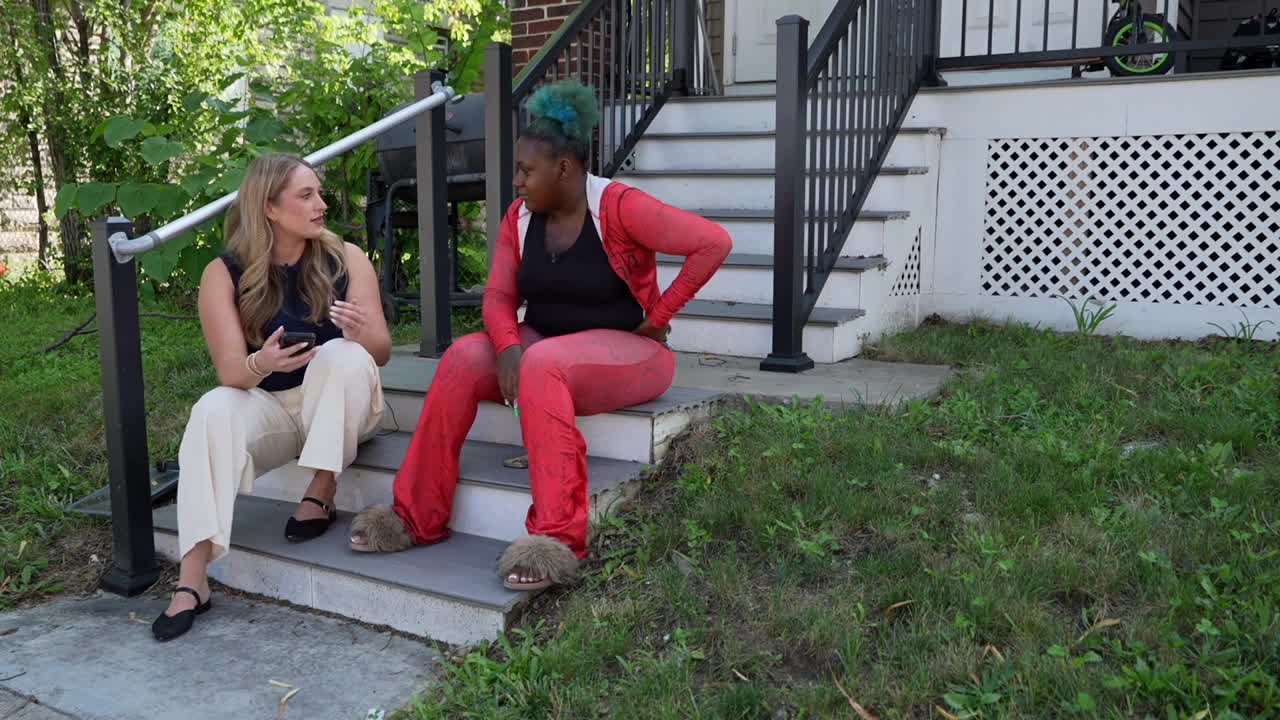


MILWAUKEE, Wis. — As Milwaukee students return to the classroom this week, a new TMJ4 investigation in collaboration with The Trace reveals gun violence has become a reality many children experience long before they step foot inside a school.
The Trace is a national non-profit newsroom that focuses on gun violence in America and gathering data surrounding that topic.
The investigation found more than 4,100 shootings occurred within 500 yards of Milwaukee-area schools between 2017 and 2025. The analysis also found Milwaukee has the second-highest rate of school-adjacent shootings among large U.S. cities, trailing only Baltimore and ranking ahead of Chicago.
These incidents are not school shootings. Instead, they are shootings that happen near schools, in the neighborhoods where students live, walk, play and learn.
At the bottom of this article, you'll find a full list of schools studied, how many shootings have occurred adjacent to those schools over the last nine years, and where they rank compared to other schools.
A LESSON NO PARENT WANTS TO TEACH
For 24-year-old R'Tianna Williams, the findings of this investigation hit close to home.
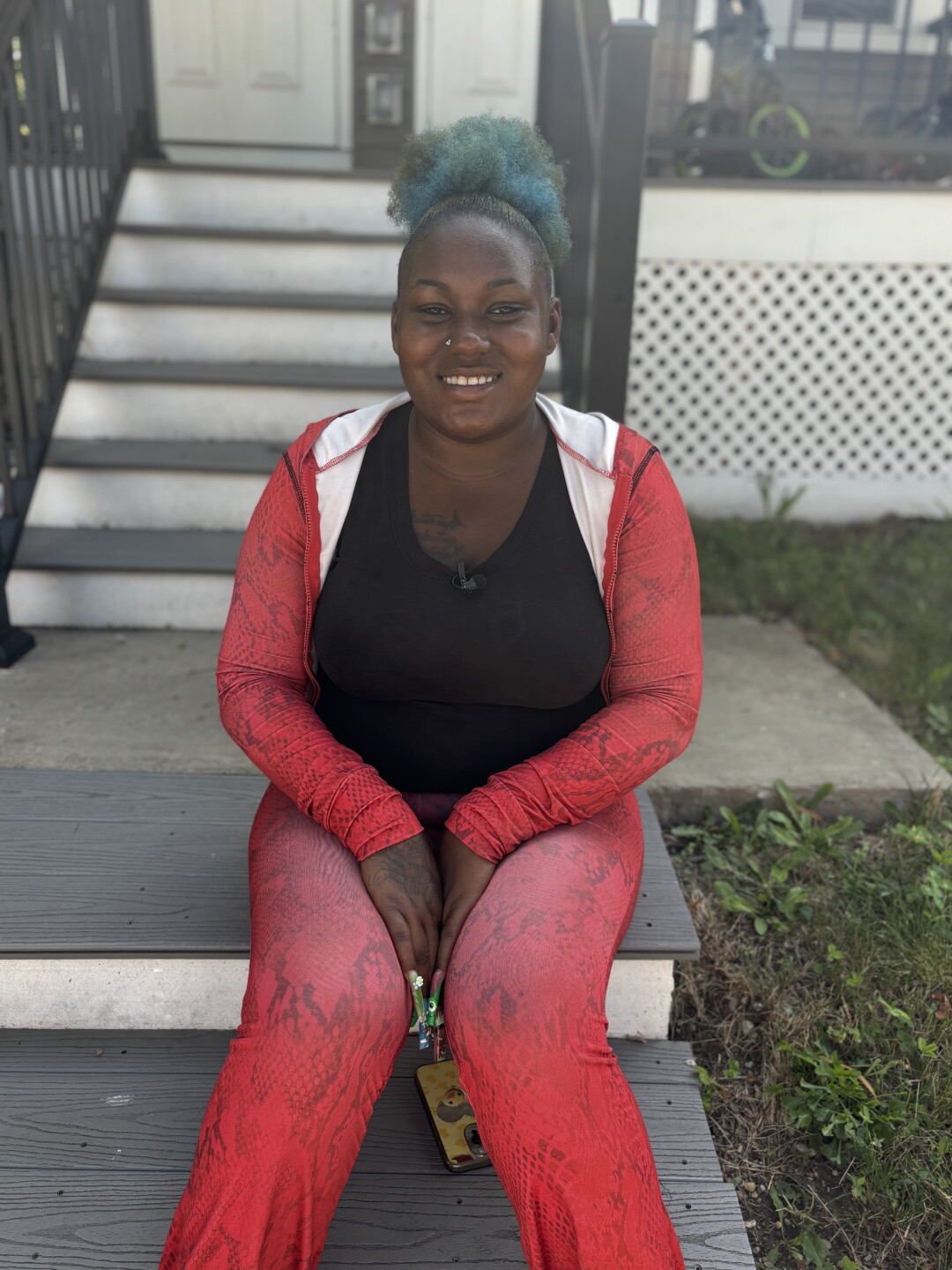
Williams' four-year-old son, Carter, is preparing for K4. She said one of the hardest lessons she's had to teach him isn't related to letters or numbers.
"When he hears one, I'm trying to get him used to ducking," Williams said. "Or to hurry up and get in the house if we're outside."
She's talking about gunshots.
"He'll just be like, 'Mommy, what was that? And I'll tell him, 'they're gunshots.'"
Williams and her son live across the street from Milwaukee College Preparatory School on 36th Street, which, according to data analyzed by The Trace, experienced more nearby shootings than any other school in Milwaukee. Carter will also attend a pre-school that is on that same list.
THE DATA - IN COLLABORATION WITH THE TRACE
TMJ4 News and The Trace analyzed shootings that occurred within 500 yards of Milwaukee schools between 2017 and 2025. This includes public, private and charter schools.
The data shows there were 4,147 shootings within 500 yards of a school in the Milwaukee area between 2017 and 2025, with an average of 460.8 per year, or 80.9 per 100,000 residents. Milwaukee ranked second among large U.S. cities for school-adjacent shootings.
Our analysis also compared Milwaukee's rate of school-adjacent shootings to the most populous U.S. cities, including New York, Los Angeles, and Chicago — and found it was higher than all of them, still trailing only Baltimore among large cities.
When it comes to schools specifically in Milwaukee, we studied 275 schools. Data shows more than 60 percent of schools studied experienced at least 10 nearby shootings between 2017 and 2025. About 42 percent experienced more than 20 nearby shootings.
WHY EXPERTS SAY THIS MATTERS
The data shows more than 63 percent of the shootings recorded happened outside of school hours, specifically between the hours of 6 p.m. and 6 a.m. the following day.
While most of the shootings occurred while kids were not in the classroom, experts say children can still be affected by violence happening around them.
"Once a bullet is fired, it has a ripple effect throughout the community. Not just on the people that are acutely injured, but even the people who hear it," Reggie Moore said.
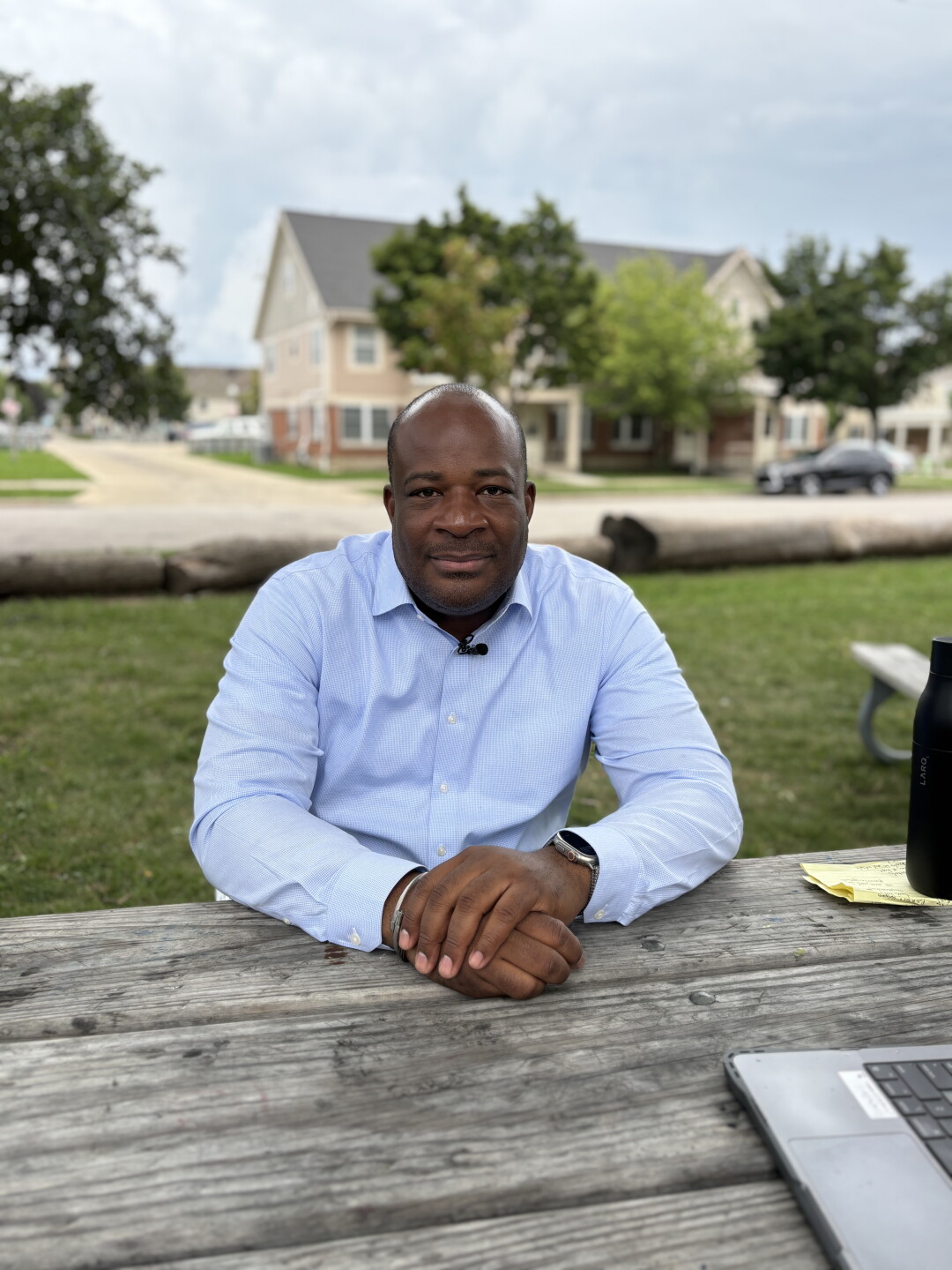
Moore is the director of Community Safety Policy and Engagement at the Medical College of Wisconsin.
"What I try to do is help people try to understand the scale of the problem and also understand that there are solutions to it," Moore explained.
In his role at the Medical College of Wisconsin, Moore works to educate policy makers on gun violence at the local, state and federal levels. Moore also takes part in violence prevention by investing in programs at the local and state level. Previously, he was the director of the city of Milwaukee's Office of Violence and Prevention.
We took our data to him as an expert in the field.
"Reading that Milwaukee has the second highest rate of any large city in the United States, what was your reaction to that?" Chief Investigative Reporter Jenna Rae asked.
"At first, it was shocking and you know, it was hard to believe, but at the same time, when we look at many of the disparities in our city, this is yet another indicator of a list we don't want to be on," Moore responded.
SCHOOL AND CITY LEADERS RESPOND
We also took this data to the leader of Milwaukee Public Schools and the Milwaukee Police Department.
"Being at the top of that list is not a list we want to be on," Superintendent Brenda Cassellius said. "We want that number to be zero, so that children feel safe coming to and from school."
It's a concern Cassellius and Police Chief Jeffrey Norman said they are well aware of.
"Even with the violence going down, they're still afraid. Parents are afraid to send their kids and they will actually put their children on buses further away from their school that's in their neighborhood, so that they can be assured they're getting to school safe," Cassellius explained.
Cassellius and Norman point to gun safety and responsible ownership when it comes to reducing neighborhood violence. Both agree that it's a community-wide problem.
"Whether you live, work, or play here, we all have a responsibility in this work, and that it is to our benefit...to make sure that we are really protecting not only our community, but our most precious commodity, our youth," Norman added.
Below is the list of schools studied by The Trace and how many recorded shootings there were between 2017 and 2025. For analysis, a shooting was considered school-adjacent if it occurred within 500 yards of a school. If a shooting happened within the radius of more than one school, it was only counted once.
WHAT'S NEXT IN 'TOO CLOSE TO CLASS'
This is the first installment in TMJ4's 'Too Close to Class' investigative series. In the coming weeks, TMJ4 News will examine several other topics, including which neighborhoods are most affected, how this violence impacts children and families, whether or not there's a correlation between gun violence and academic performance, and how community leaders, organizations, and elected officials are actively addressing this problem. If there's something you want Jenna Rae to look at that's related to this investigation, email her at Jenna.Rae@tmj4.com.
It’s about time to watch on your time. Stream local news and weather 24/7 by searching for “TMJ4” on your device.
Available for download on Roku, Apple TV, Amazon Fire TV, and more.


