




MILWAUKEE — Milwaukee health officials tell TMJ4 that no traces of measles were detected in Milwaukee County wastewater samples collected on February 8.
Milwaukee health officials have been using wastewater testing to track potential viruses and bacteria, including measles, since 2025. This news follows possible exposures at Milwaukee Mitchell International Airport last month.
The Milwaukee Health Department partners with the State Lab of Hygiene in Madison to analyze wastewater samples for measles detection. The program launched last year.
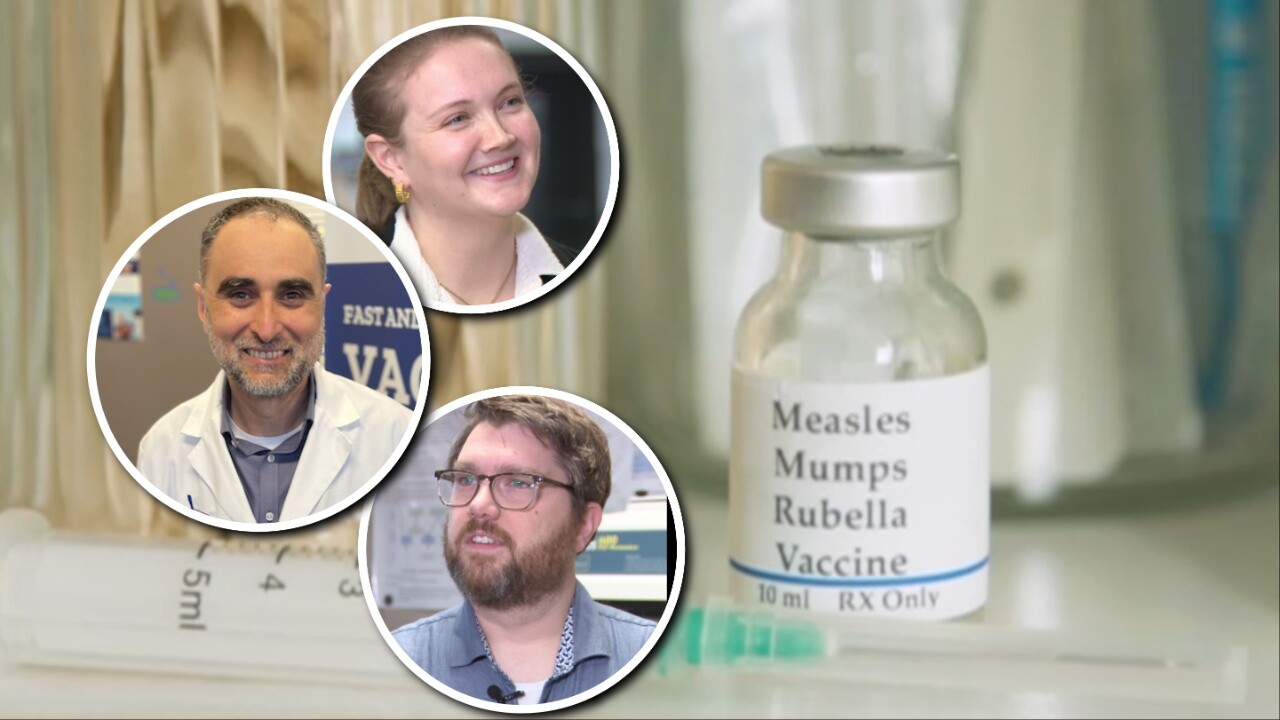
"The real power of it is it lets us see a problem before it becomes a problem," said David Payne, lab director at the Milwaukee Health Department Lab.
Most of Milwaukee's wastewater flows to treatment facilities at either Jones Island or South Shore. Health department officials collect samples before the water is treated, process them, and send portions to Madison, where scientists look for traces of measles.
If the virus is detected, it allows health departments to alert the public. However, the data cannot pinpoint where cases originate.
"We're just detecting yes or no if it's present or not," said Cait McCrory, clinical epidemiologist at the Milwaukee Health Department.
Watch: Milwaukee Health officials have yet to find measles in wastewater following possible airport exposures
Following the airport exposures, health officials finalized data Thursday from samples collected Sunday that showed no detection of measles in Milwaukee's wastewater.
McCrory said the timeline for potential cases remains a concern.
"Measles takes between 7-21 days to develop symptoms, so we still have a few more weeks of getting through data to make sure there's no additional spread, but as of right now, we do not indicate that," McCrory said.
Officials describe the current data as reassuring.
State data shows over 83% of 2-year-olds in Milwaukee County received the MMR vaccine, compared to over 81% statewide. Milwaukee County has seen its vaccination rate increase every year since 2021.
Local pharmacist Dr. Hashim Zaibak at Hayat Pharmacy hasn't seen an uptick in vaccine requests since the recent cases, but his pharmacy remains open seven days a week for anyone seeking vaccination.
"The easier we make it, the more likely they're going to get vaccinated," Zaibak said.
Payne emphasized the importance of wastewater surveillance in addressing healthcare disparities.
"We need, in the public health world, to build systems that find disease, whether or not people have access to health care, and that's what wastewater does," Payne said.
The testing method can theoretically detect any bacteria, virus, or fungus, making it a versatile tool for public health monitoring beyond measles surveillance.
This story was reported on-air by Brendyn Jones and has been converted to this platform with the assistance of AI. Our editorial team verifies all reporting on all platforms for fairness and accuracy.
It’s about time to watch on your time. Stream local news and weather 24/7 by searching for “TMJ4” on your device.
Available for download on Roku, Apple TV, Amazon Fire TV, and more.

