

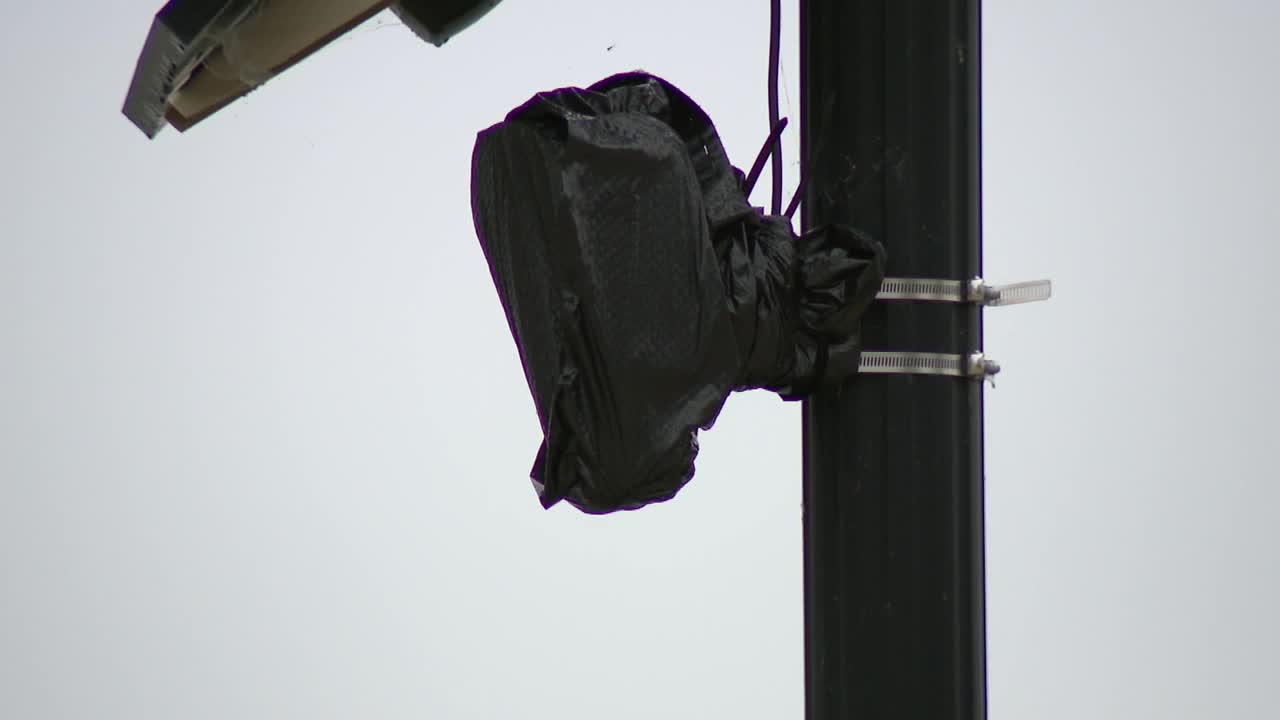


OCONOMOWOC, Wis. — Plastic garbage bags now cover Flock surveillance cameras in the City of Oconomowoc and the Oconomowoc School District after the city voted to end its contracts with the license plate reader company. But an attorney warns that canceling a contract may not be enough to stop law enforcement from accessing Flock's database.
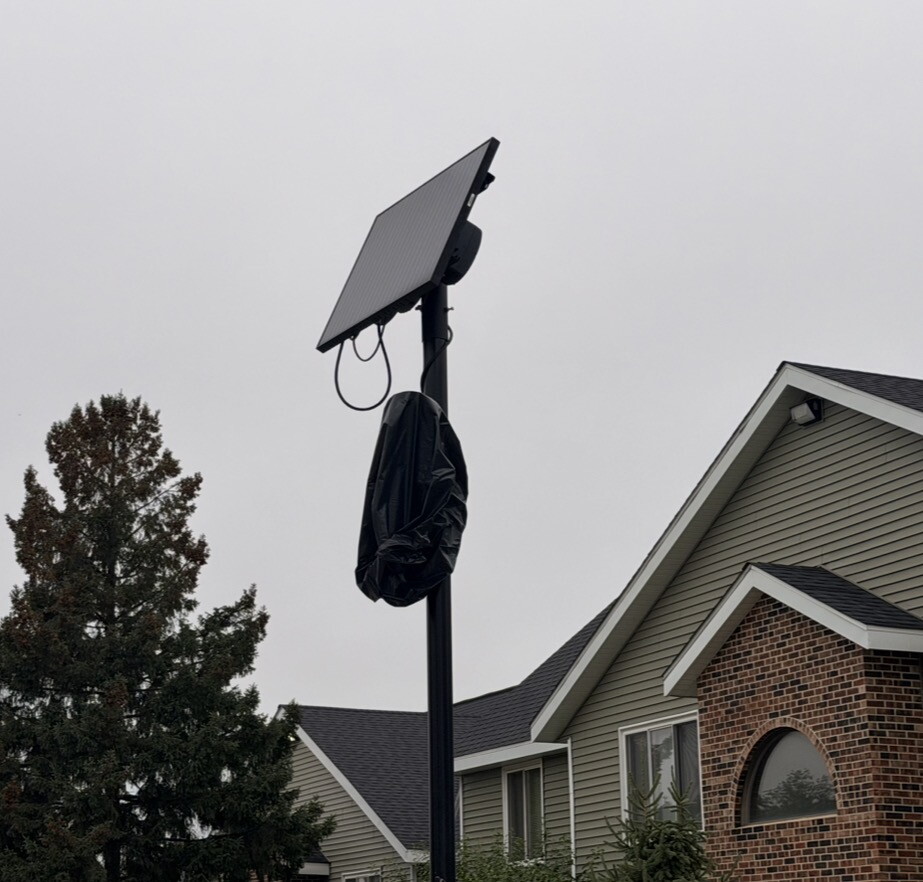
The City of Oconomowoc and the School District of Oconomowoc are ending their contracts with Flock following Tuesday's common council vote. Waukesha and Mukwonago are also transitioning away from Flock, though both said they will not immediately end their contracts and plan to phase out use by the end of the year.
Watch Rebecca Klopf's report in the video player below:
Residents in Oconomowoc have mixed feelings about the cameras coming down.
"Do you want police in Oconomowoc using Flock? No. In any way? No, no," Kevin Moeler said.
"I don't think the government should be surveilling the citizens of our country," Nancy Carlson said.
Others believe police should continue using the technology.
"You just handle a few bad apples," one resident said.
Dan Lennington, an attorney with the Wisconsin Institute for Law and Liberty, is representing two citizen groups and an Oconomowoc homeowner in a lawsuit against 12 municipalities in Waukesha County over their use of Flock surveillance cameras.
He said the cameras record both pictures and videos.

Lennington said municipalities ending their Flock contracts are asking to be removed from the lawsuit, but he has concerns about a major loophole.
"It is not whether the cameras are coming down today. It is whether they are going to stop searching on their database, which they have access to on their computers," Lennington said.
He said nothing prevents one police department from accessing another department's Flock database, even after canceling its own contract.
"Police share technology all the time and there is nothing that would stop the Oconomowoc Police Department from calling up the Delafield Police Department to search their database," Lennington said.
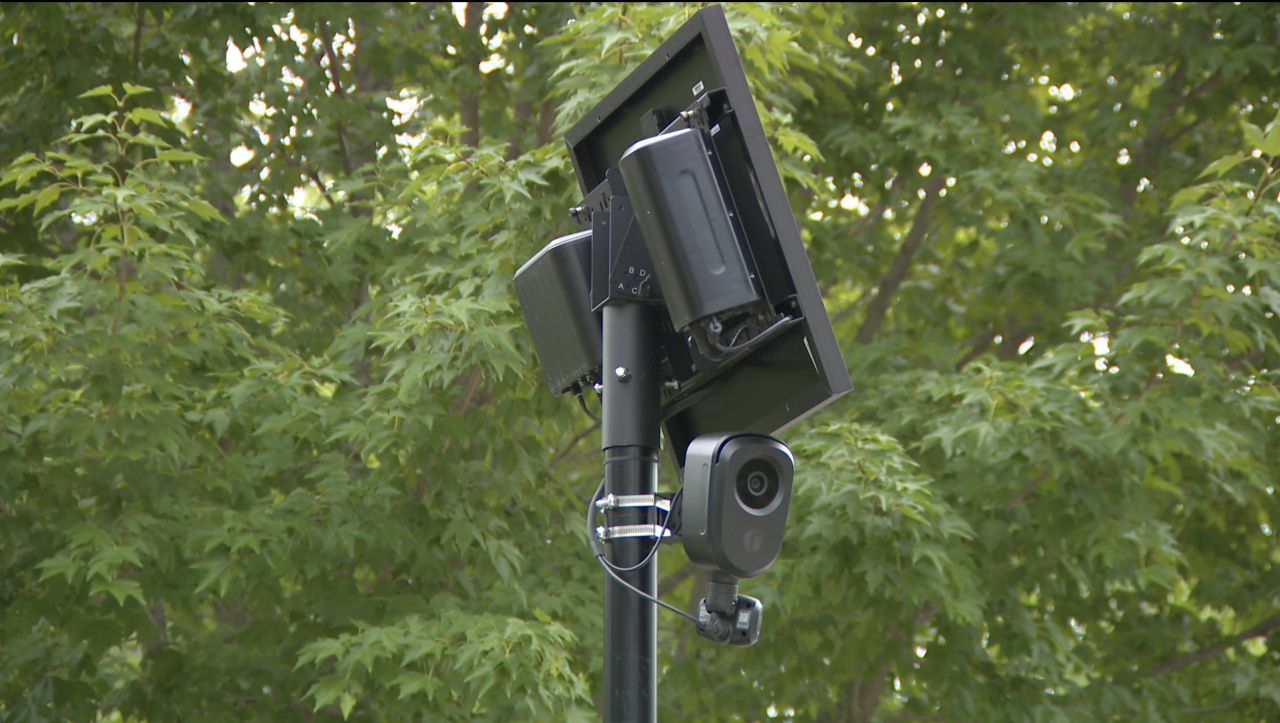
"Flock doesn't tell you, 'You can't let others search your database,'" Lennington said.
Lennington said ending a contract is not enough to remove any of those municipalities from the lawsuit. He said the goal is to require police to obtain warrants before searching Flock's database.
"We don't want a loophole. We don't want them to come back with some other way to search the FLOCK database, or some other way to violate the 4th amendment," Lennington said.
In a statement, Flock said it remains confident that responsible use of this technology is constitutional and provides an important tool for law enforcement.
"Flock’s license plate readers capture still, point-in-time images of vehicles traveling in public view, where courts have repeatedly held there is no reasonable expectation of privacy," the statement read. "More than 40 courts across the country have upheld the use of fixed license plate readers and found that their use does not violate the Fourth Amendment. Flock remains confident that responsible use of this technology is constitutional and provides an important tool for law enforcement to solve serious crimes and find missing people."
This story was reported on-air by a journalist and has been converted to this platform with the assistance of AI. Our editorial team verifies all reporting on all platforms for fairness and accuracy.
It’s about time to watch on your time. Stream local news and weather 24/7 by searching for “TMJ4” on your device.
Available for download on Roku, Apple TV, Amazon Fire TV, and more.
