

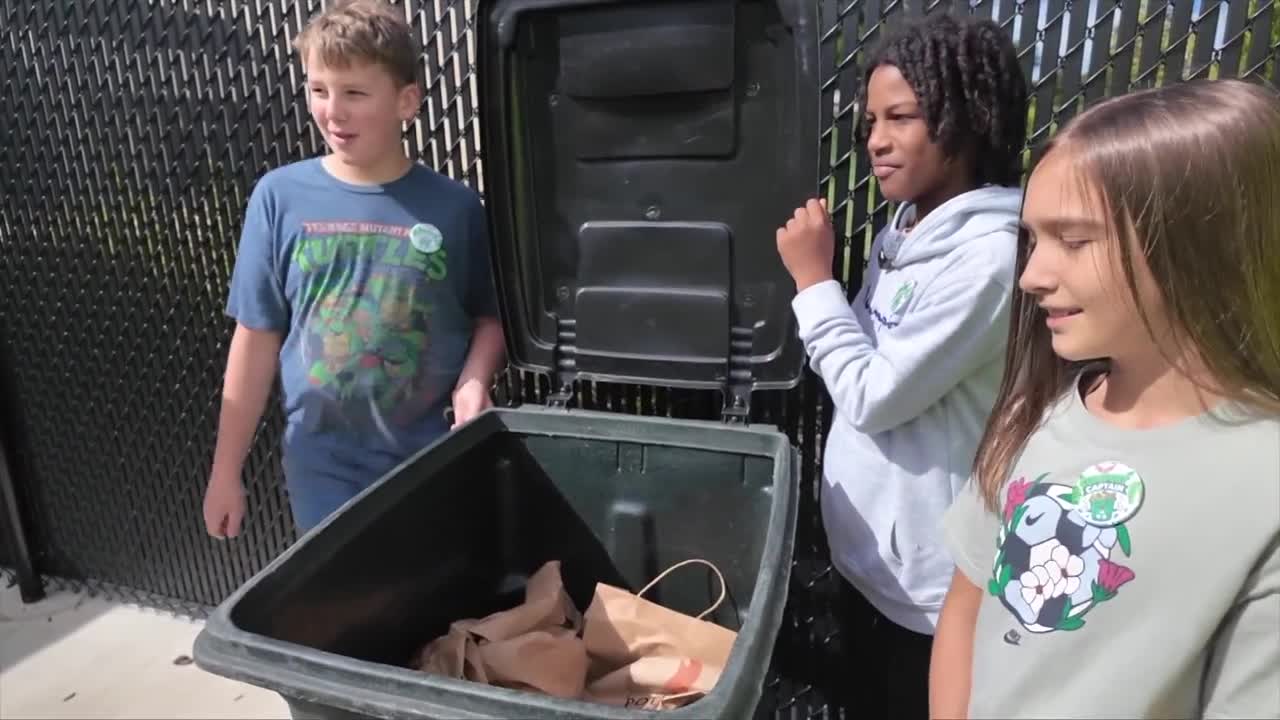


RACINE — Students at Starbuck Elementary School in Racine are the first in the Racine Unified School District to be composting their lunch scraps.
In the cafeteria during third through fifth grade lunch periods, students raise their hands in the shape of a "C" to signal they have food ready to be composted. Designated "compost captains" are selected at the start of each lunch period to collect the scraps.
Sixth grader Collin Vanderhoef helped start the program after initially learning about composting when he was in fourth grade.
"So it's basically when you take old food or paper products or even yard waste, and then over time, it decomposes into compost," Vanderhoef said.
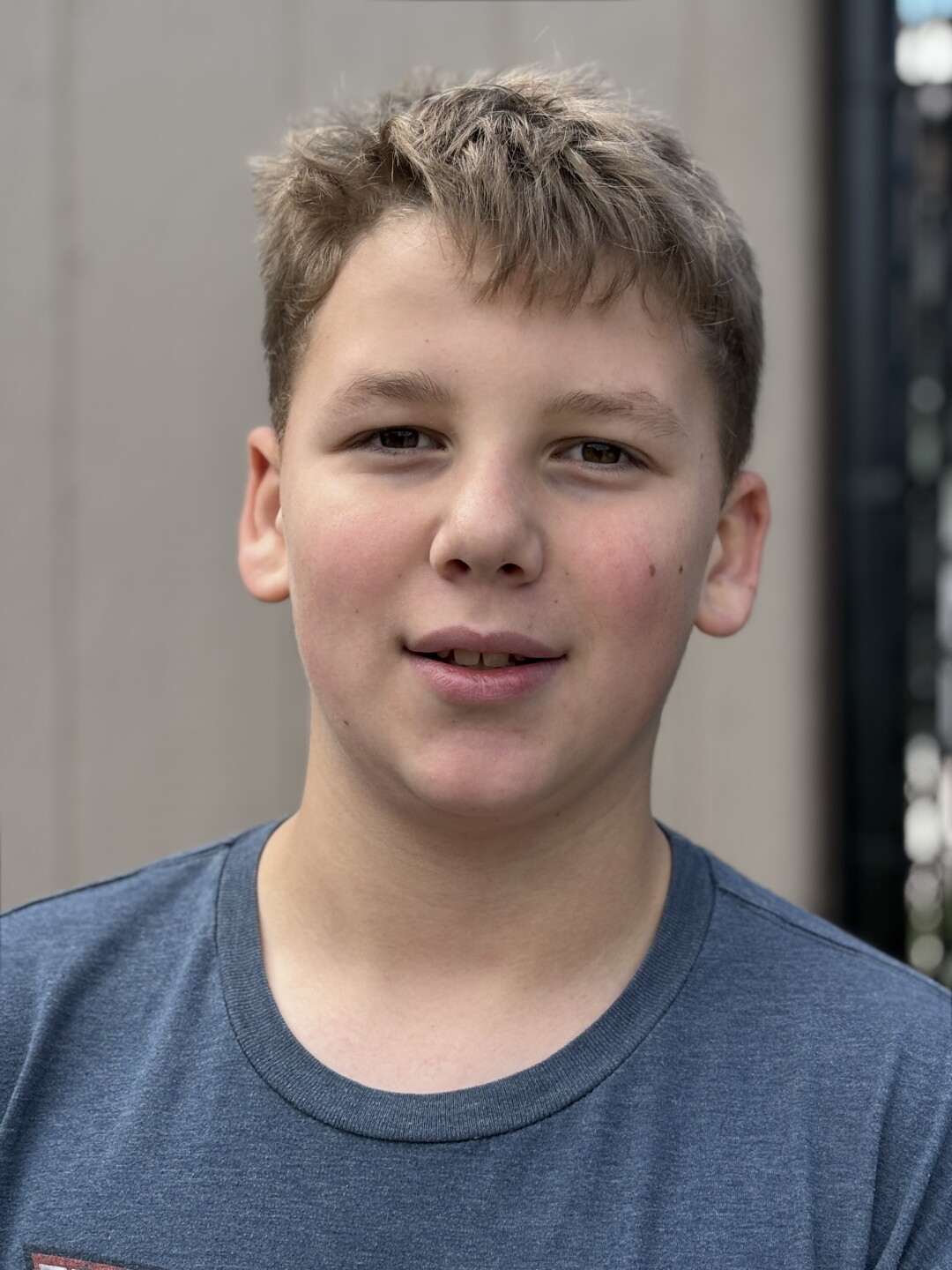
For Vanderhoef, it's an opportunity to help the environment.
"Composting helps the planet by taking the nutrients from the products you put in there and giving it back to the ground," Vanderhoef said.
The program was initially piloted with fourth graders in May. At time, about 40 pounds of waste were collected every week, according to the Racine Food Waste Composting Committee, the group partnering with Starbucks to make the program possible.
This fall, three grades are composting their scraps every day in what could become a model for other RUSD schools moving forward.
Previously, the program was limited to household composting, with three drop-off locations in Racine for participating households.
"Composting gives our students a tangible way to see how small, everyday choices can add up to meaningful change for our environments and our world," Starbuck principal Sara Wroblewski said in a release about the program's impact.
Starbuck students are learning about the entire process of composting, including what happens when food waste ends up in a landfill.
"If you throw it in the garbage, then it gets trapped by all the other stuff that can't get composted," Vanderhoef said.
Fourth grader Leela Lamothe added to that point.
"It can create methane gas, and that's not good for the environment," Lamothe said.

Fifth grader Desmond Moralez-Major said he was surprised by the process when he first learned about composting.
"It can break down to the point where we can actually use it again," said Moralez-Major, who compared the process to recycling.
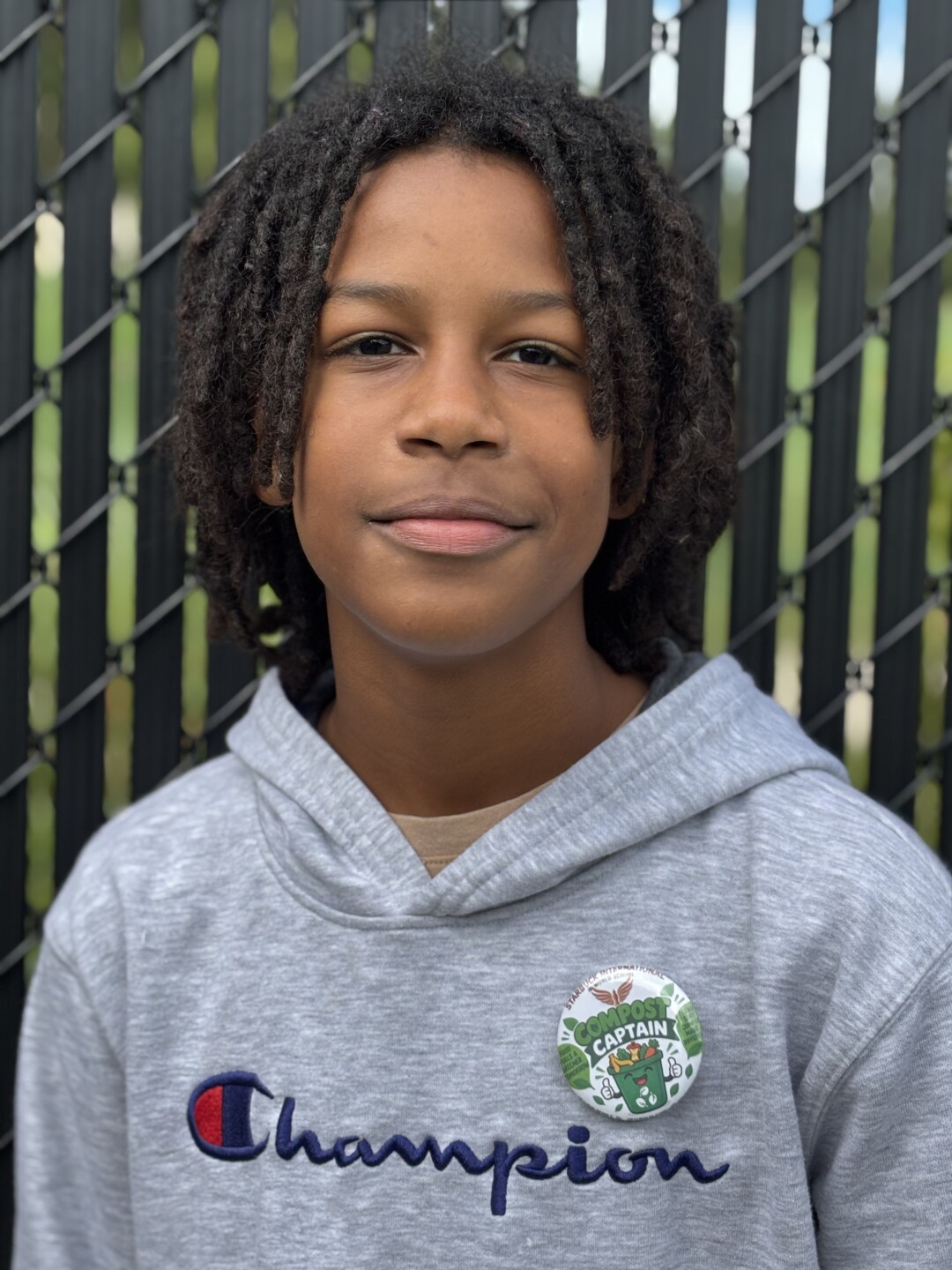
Vanderhoef described the benefits compost provides to plants when added to soil.
"That helps it by giving it the nutrients, and it becomes a stronger plant," Vanderhoef said.
Members of the Racine Food Waste Composting Committee are helping educate students and get the program running. Volunteer Linda Busha, who was present for lunch periods Tuesday, said the students are enthusiastic to learn something new.
"The kids are catching on really quick; they know what to do," Busha said.
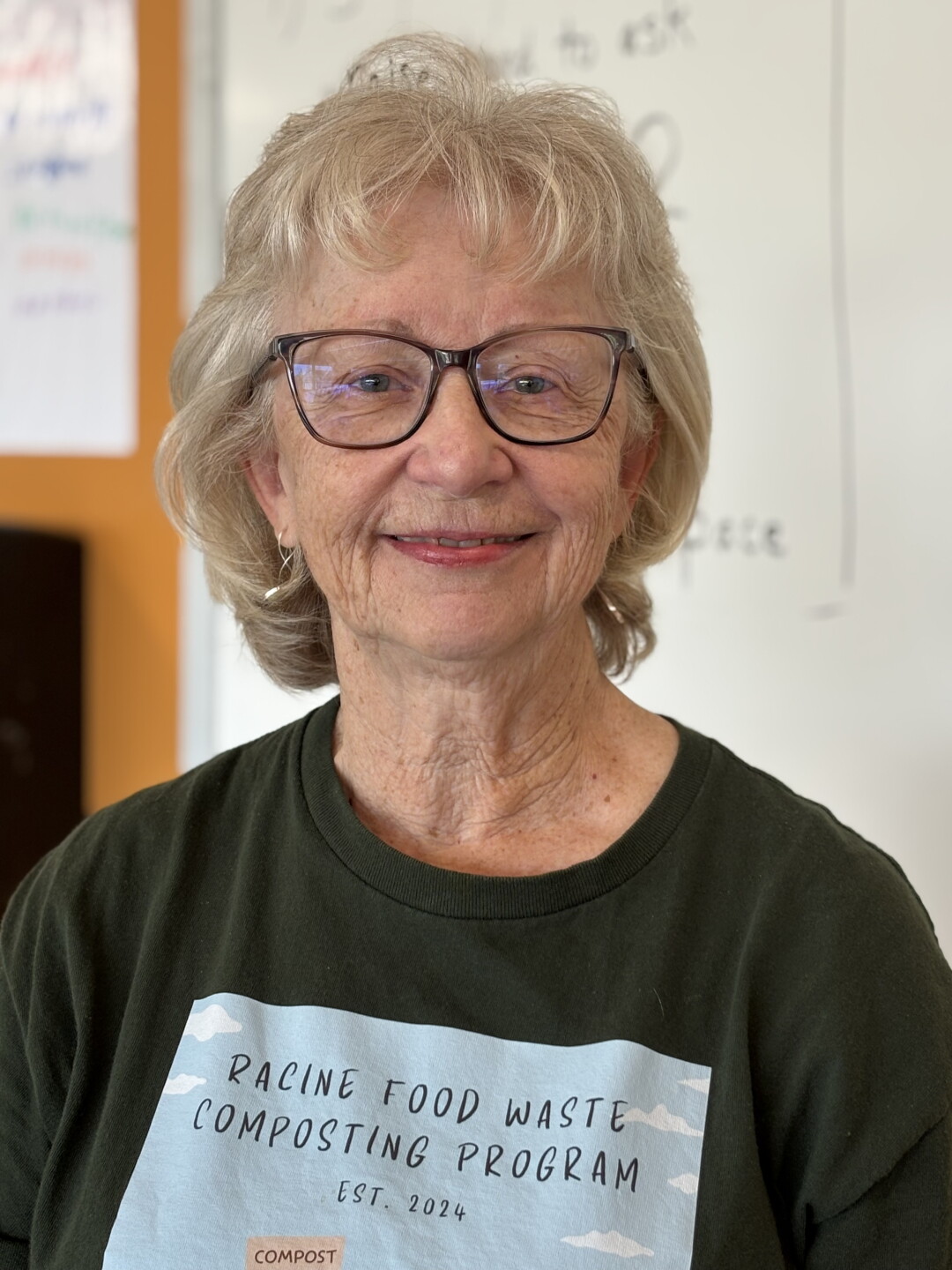
Busha said the ultimate goal is to build lasting habits.
"They're the future, so to train them to do this, you know, they'll grow up, it'll be automatic to do it," Busha said.
At Starbuck, food scraps are picked up once a week by Compost Crusader, which transports the material to Blue Ribbon Organics in Raymond for processing.
For Vanderhoef, he's appreciated seeing his initial efforts grow.
"It feels good, because then I'm like the leader or the example of it, and it just feels nice," he said.
And his fellow students also see their role in the impact that could reach beyond their school.
"We're leaders," Moralez-Major said.
Lamothe shared her vision for where the program could go.
"If I'm doing it, then other people will want to do it," she said. "And then it can just keep going on until the whole world knows and the world is a better place."
The hope is that the program at Starbuck is just one indication of how composting efforts in Racine could grow.
This story was reported on-air by a journalist and has been converted to this platform with the assistance of AI. Our editorial team verifies all reporting on all platforms for fairness and accuracy.
It’s about time to watch on your time. Stream local news and weather 24/7 by searching for “TMJ4” on your device.
Available for download on Roku, Apple TV, Amazon Fire TV, and more.
