

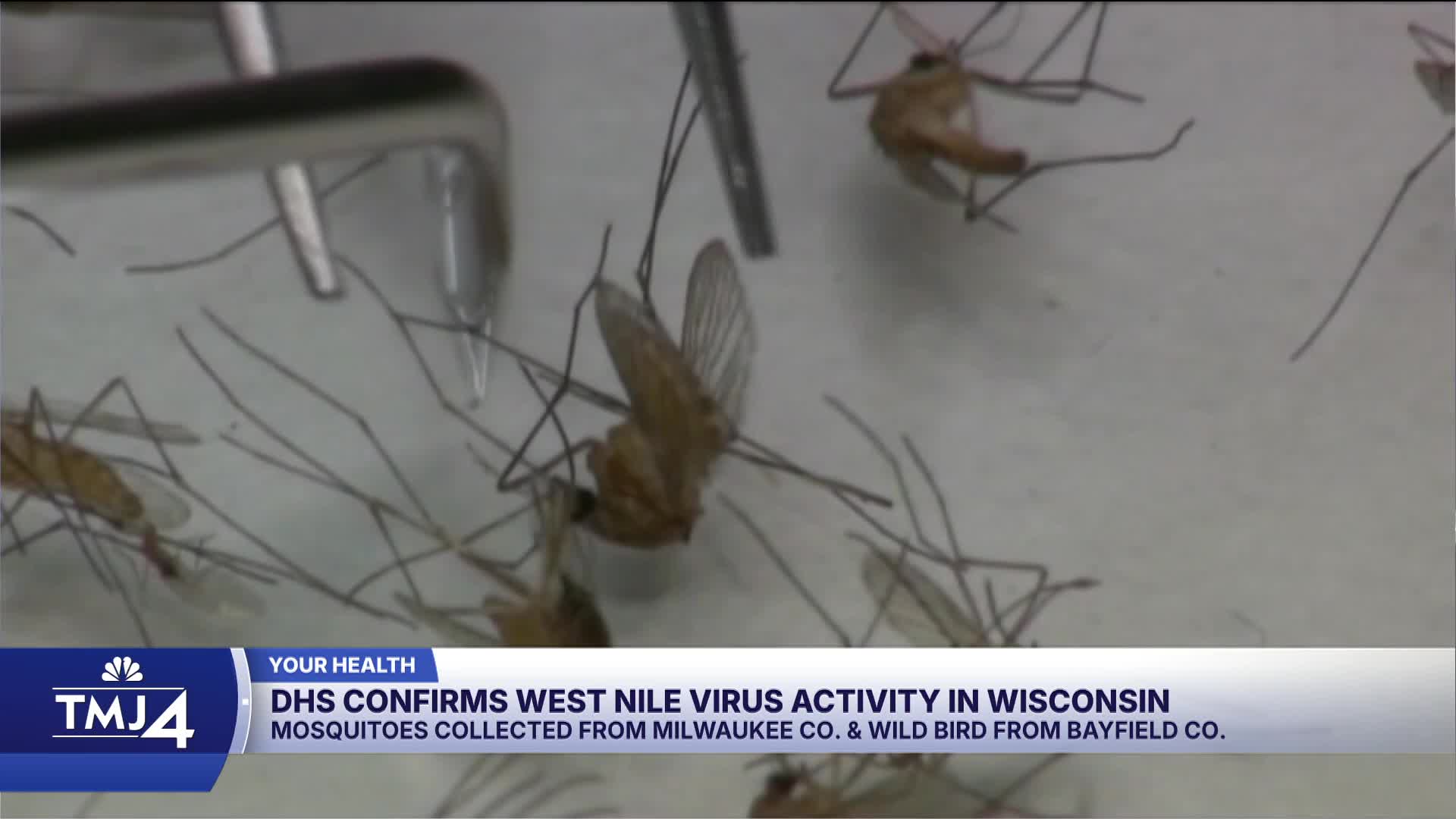


MILWAUKEE — The Wisconsin Department of Health Services (DHS) has confirmed the first West Nile virus activity in Wisconsin this year, according to a release from the City of Milwaukee Health Department (MHD).
The discovery was made after mosquitoes collected in Milwaukee tested positive for the virus. According to MHD, the virus is spread to humans and other animals through the bite of an infected mosquito, which acquires it by feeding on infected birds.
How the virus spreads

The virus cannot be spread directly from person to person, animal to animal or animal to person, and older adults and people with compromised immune systems are at greater risk of developing severe illness, according to MHD.
"The detection of West Nile virus in Milwaukee mosquitoes is an important reminder that mosquito season is here, and residents should take simple steps to protect themselves and their families," said Milwaukee Commissioner of Health, Mike Totoraitis, PhD. "Using insect repellent, limiting exposure during peak mosquito activity and removing standing water around your home can all help reduce your risk."
Virus symptoms
Most people infected with West Nile virus do not develop symptoms, but those who do may experience mild symptoms such as fever, headache, muscle aches, rash and fatigue, according to MHD.
In rare cases, West Nile virus can cause severe illness, including high fever, muscle weakness, stiff neck, disorientation, confusion, tremors, paralysis and coma.
Human West Nile virus infections can occur from June through October, with most illnesses reported in August and September. Mosquito activity and the risk of West Nile virus will continue throughout the summer until a hard frost occurs.
Mosquito bite prevention
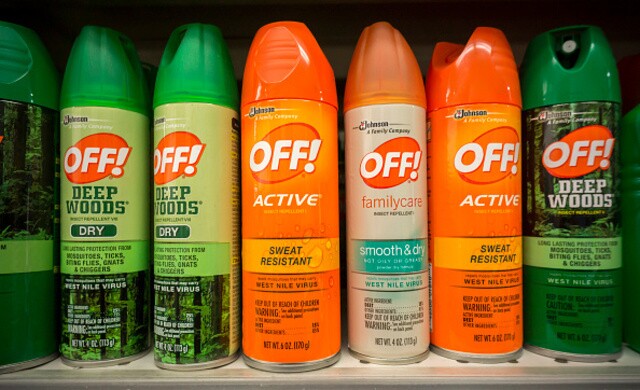
The best way to prevent WNV and other mosquito-borne illnesses is to reduce exposure to mosquitoes and eliminate mosquito breeding sites. MHD recommends the following:
Avoid Mosquito Bites
- Apply insect repellent containing DEET, picaridin, oil of lemon eucalyptus or IR3535 to exposed skin and clothing.
- Treat clothing with permethrin before going outdoors. Do not apply permethrin directly to skin.
- Consider rescheduling outdoor activities during evening or early morning hours, when mosquitoes that spread WNV are most active.
- Wear long sleeves, long pants and socks when outdoors.
Mosquito-Proof Your Home
- Remove standing water from containers, flower pots, tires, gutters and downspouts.
- Turn over wheelbarrows, kiddie pools, buckets and small boats when not in use.
- Change the water in bird baths and pet dishes at least every three days.
- Clean and chlorinate swimming pools, outdoor saunas and hot tubs, and drain water from pool covers.
- Make sure window and door screens are intact and tightly fitted.
- Trim or mow tall grass, weeds and vines where mosquitoes may rest during the day.
For more information about the virus and mosquito bite prevention, visit the Wisconsin Department of Health Services website.
It’s about time to watch on your time. Stream local news and weather 24/7 by searching for “TMJ4” on your device.
Available for download on Roku, Apple TV, Amazon Fire TV, and more.

