



Seven months ago, neighbors along West Burleigh Street were mourning the loss of a man they knew as "Happy." They were also raising concerns about drivers speeding through their neighborhood.
Now, just one block away, another man has been killed.
Watch the story in the video player below:
The two deaths, separated by seven months and roughly one city block, are raising a familiar question: What will it take to make this stretch of Burleigh Street safer?
The latest victim is 36-year-old Patrick McGowan, who was struck and killed early Saturday, October 10, near North 49th and West Burleigh streets, outside Ascension St. Joseph Hospital. TMJ4 attempted to reach out to Patrick's family but was unable to make contact at the time of reporting.
According to the Milwaukee County Medical Examiner's Office, McGowan was reportedly struck by a vehicle and thrown approximately 15 to 20 feet from his wheelchair and belongings. He was pronounced dead at the scene at 2:25 a.m.
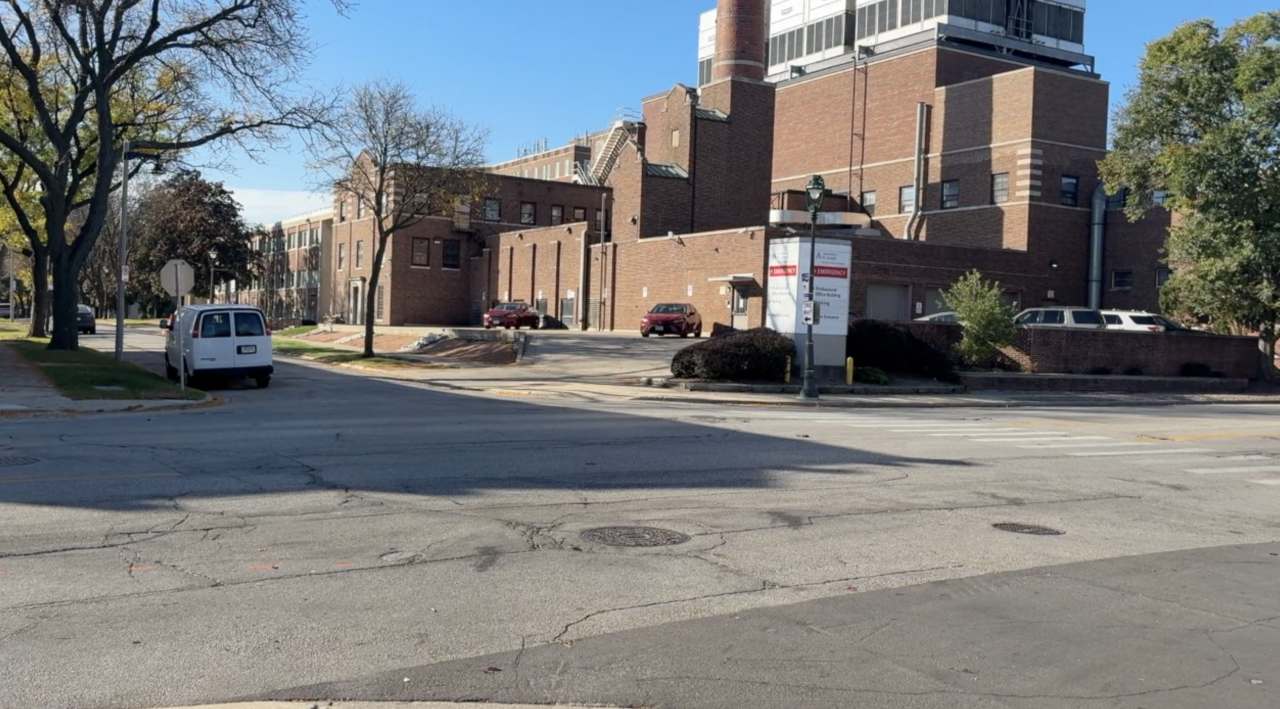
Milwaukee police say a westbound vehicle struck McGowan as he attempted to cross Burleigh Street around 2:15 a.m. A 39-year-old driver was taken into custody, and the case was referred to the Milwaukee County District Attorney's Office for possible charges.
Police have not publicly established all the circumstances surrounding the collision.
Seven months earlier, another family was grieving
On March 6, 73-year-old Henry "Happy" Goodlow was struck and killed while crossing Burleigh Street near North 48th Street around 11:17 p.m. Goodlow's brother, Charles, told TMJ4 that people throughout the neighborhood knew his brother by his nickname.

"People knew him for years; they probably wouldn't know his name was Henry because they always knew him by Happy. And he was always happy too," Charles Goodlow said during TMJ4's March report.

His brother remembered him as a kind, faithful man who was well-known in the community.
Police said the 44-year-old driver involved in Goodlow's death remained at the scene and was later arrested.
When TMJ4 visited the neighborhood following that crash, residents raised concerns about speeding and the safety of crossing Burleigh Street.
Seven months later, TMJ4 returned to nearly the same location following McGowan's death.
The circumstances of the two crashes remain separate investigations, but their proximity has renewed questions about the roadway itself.
Why the city considers this stretch of Burleigh dangerous
Jessica Wineberg, Milwaukee's Vision Zero policy director, met TMJ4 at the crash location to discuss the deaths and the city's efforts to make streets safer.
"Patrick should be with us here today. His family should not be in mourning," Wineberg said.
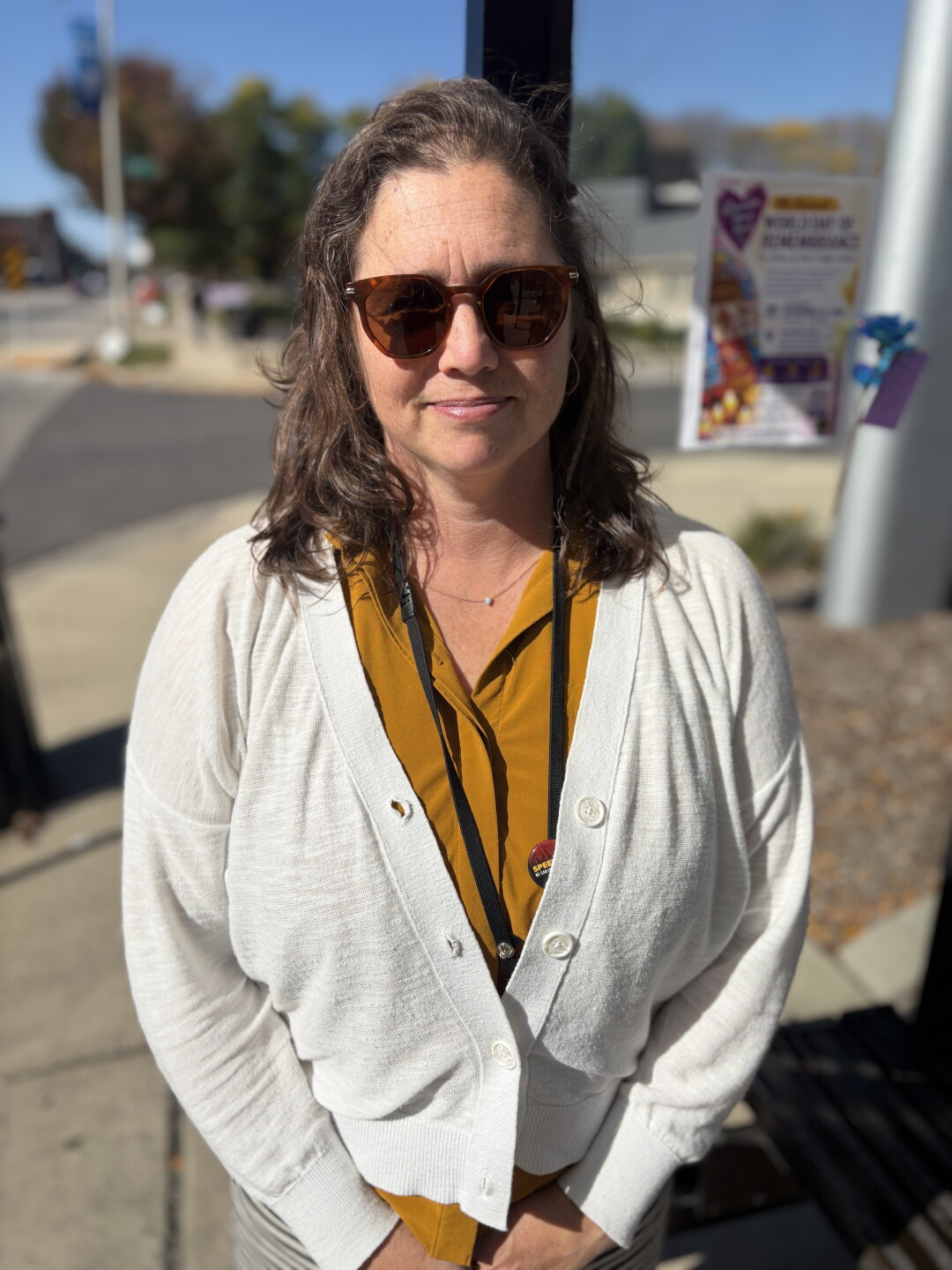
She confirmed that this stretch of Burleigh Street is part of Milwaukee's High Injury Network — a collection of roads where a disproportionate number of serious and deadly crashes occur.
According to the city's Vision Zero analysis, approximately 9% of Milwaukee's street miles account for 59% of traffic deaths. That information helps the city determine where safety improvements are most urgently needed.
Wineberg said late-night driving presents a particular concern along streets like Burleigh, where both fatal crashes occurred after dark.
"I think drivers at night think, oh, nobody's out, and they'll speed if the roadway looks open," she said. "No, there's people trying to cross at all times of day."
Wineberg also pointed to the mix of destinations along Burleigh Street, including the hospital, nearby schools, businesses and housing for older adults.
Those are places where people regularly walk, cross streets or use mobility devices.
"We're a city full of people getting around in different ways, and no matter if you have a disability or not, you deserve to be able to cross the street safely," she said.
What is being done to make Burleigh Street safer?
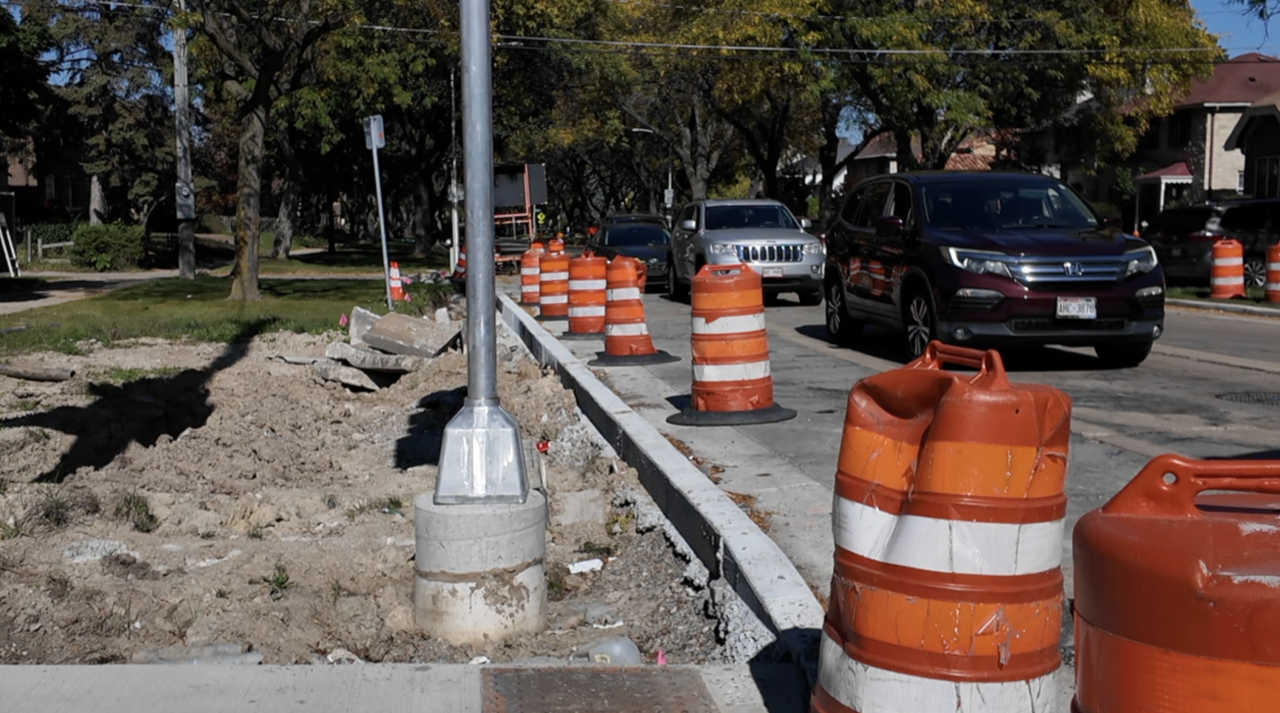
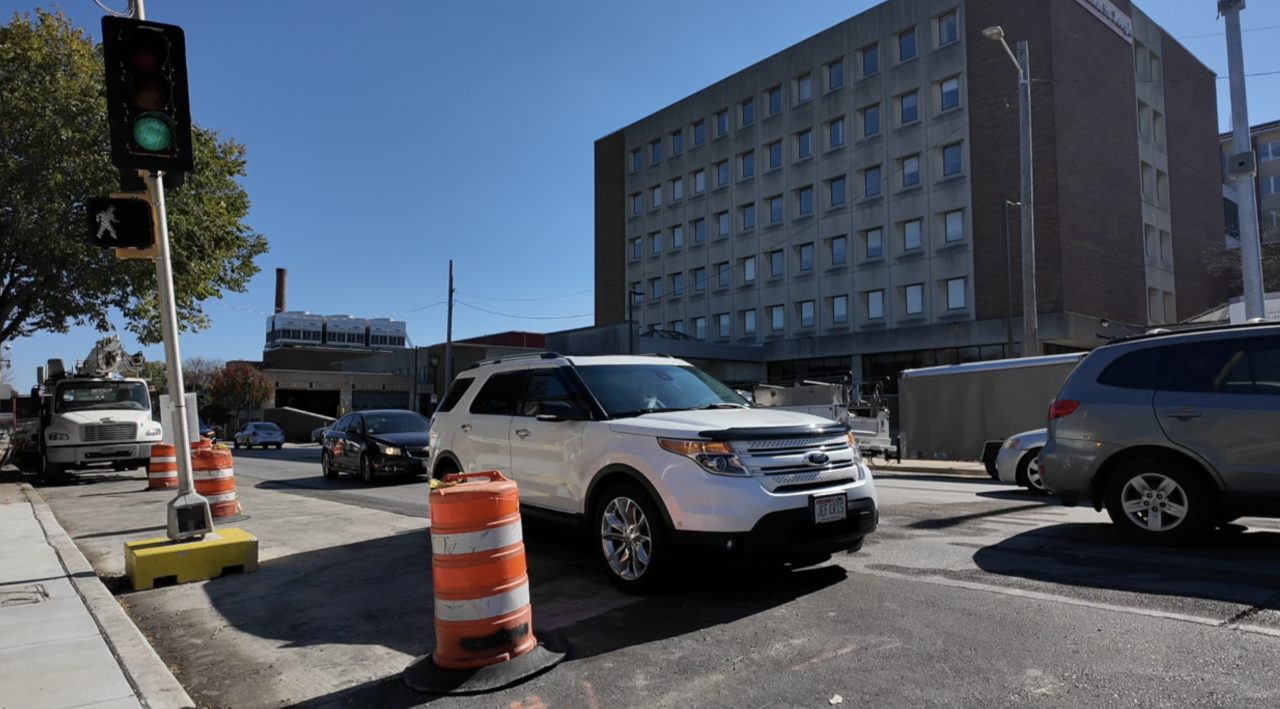
The city has an active traffic safety construction project at North 51st Street and West Burleigh Street, a few blocks west of the two fatal crash locations.
Wineberg said the project includes accessible curb ramps and curb extensions, often called bump-outs, designed to make crossings shorter and encourage drivers to slow down.
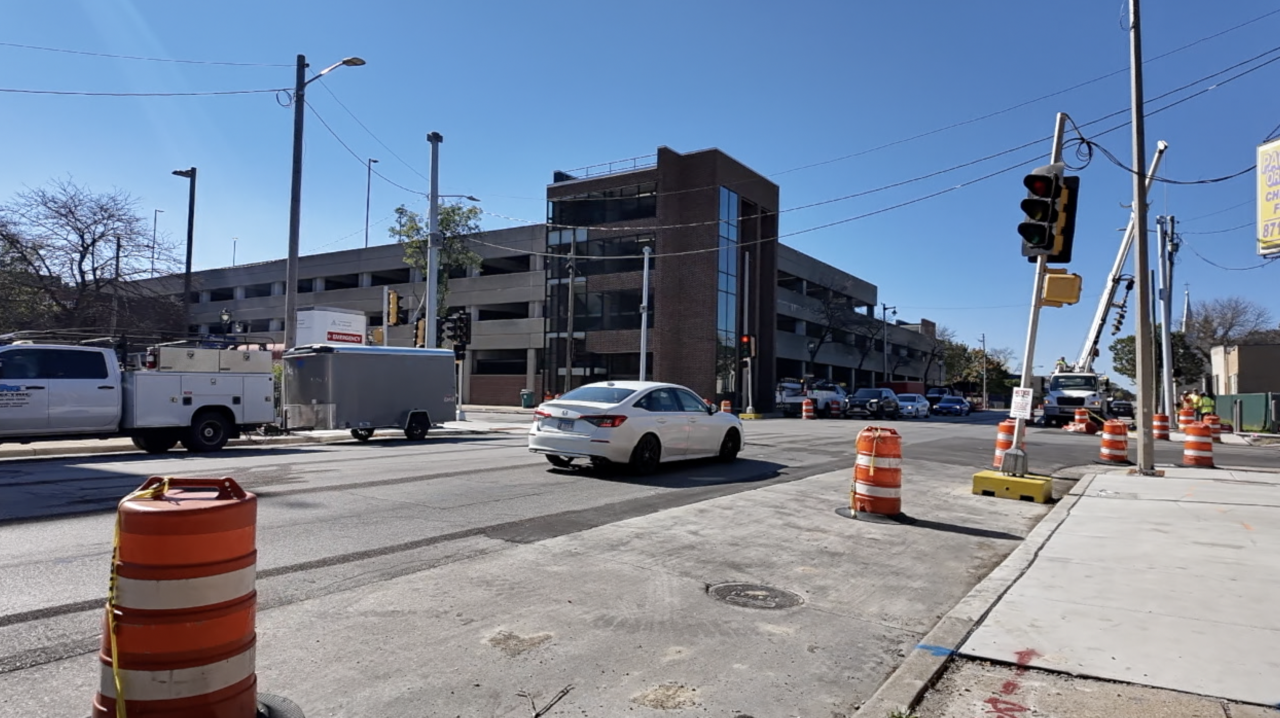
Those improvements can help pedestrians by reducing the distance they must cross and making intersections more visible. But there is an important distinction.
The 51st Street project does not extend directly to the locations where Goodlow and McGowan were killed.
Wineberg said there is currently no additional active improvement project specifically planned for that nearby stretch.
She also pointed out that some curb bump-outs have recently been installed in the area, although she could not confirm whether they were completed before or after Goodlow's death.
When asked what else could make the street safer, Wineberg identified several possibilities, including raised crosswalks, raised intersections, additional traffic calming and center medians that could give pedestrians a safer place to pause while crossing.
Each option would require further evaluation.
Why aren't improvements happening faster?
For families grieving a loved one, even a few months can feel like a long time to wait for answers. Major street reconstruction projects, however, can take years.
Wineberg said the city does not have the resources to immediately redesign every location where someone is killed.
Instead, officials analyze crash patterns across the city, prioritize projects, seek funding, develop designs and work with residents before construction begins.
Some projects can take three to five years. Others can take as long as a decade.
That means even when a location is identified as dangerous, improvements may not happen right away.
Wineberg said the city is working to secure additional funding and pointed to Milwaukee's broader Vision Zero efforts, which aim to eliminate traffic deaths and life-changing injuries by 2037.
She said traffic fatalities citywide have declined since 2022, even as deaths such as McGowan's demonstrate how much work remains.
Still, the lack of an additional project at 48th and 49th raises an important question for the city: How can neighborhoods already experiencing deadly crashes receive meaningful safety improvements sooner?
One change drivers can make today
While projects move through the planning and funding process, Wineberg said drivers have an immediate responsibility.
"The only change that we can make today to help prevent this from happening is personally slowing down when we drive," she said.
She emphasized that the burden of safety should not fall on people walking, using wheelchairs or relying on other mobility devices.
She also said Milwaukee is pursuing additional tools to address dangerous driving, including advocating for changes in state law that would allow speed and red-light safety cameras.
For now, she said, slowing down and paying attention to everyone sharing the road can make a difference.
Remembering the lives lost
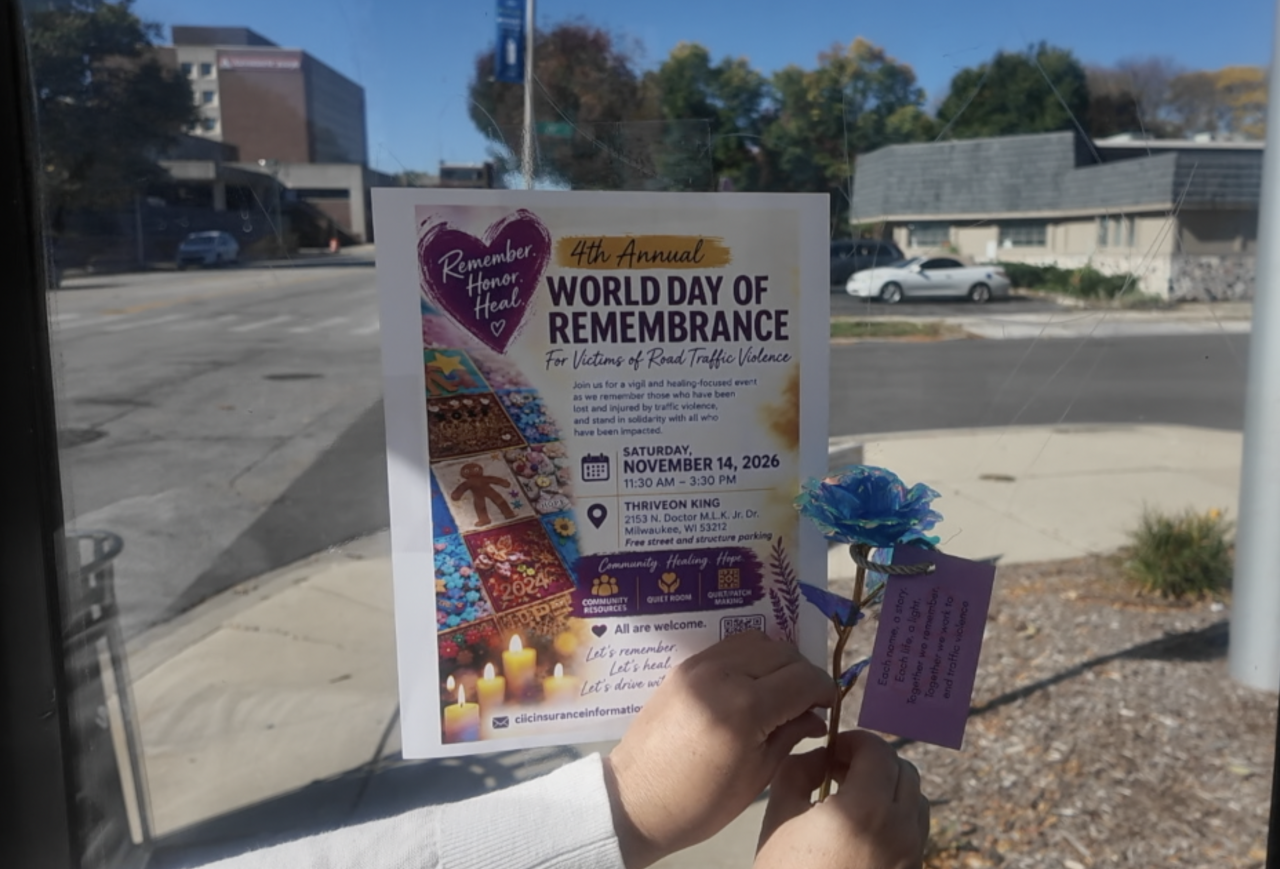
Before leaving the crash location, Wineberg placed a flower and left a flyer inviting families affected by deadly crashes to an upcoming community remembrance event.
It was a small gesture on a street where two families are now mourning.
"There's a whole community that cares and is with his family," she said.
The flyer invites those who have lost loved ones, survived crashes or otherwise been affected by dangerous driving to come together, share their experiences and find support.
For McGowan's family, and for the Goodlow family just one block away, those efforts come after lives have already been lost.
And for the neighbors who warned about speeding seven months ago, the question remains: What will change before another family experiences the same heartbreak?
HOW TO HELP: Remembering victims of deadly crashes
The 4th Annual World Day of Remembrance for Victims of Road Traffic Violence will bring together families, survivors and community members for a vigil and healing-focused gathering.
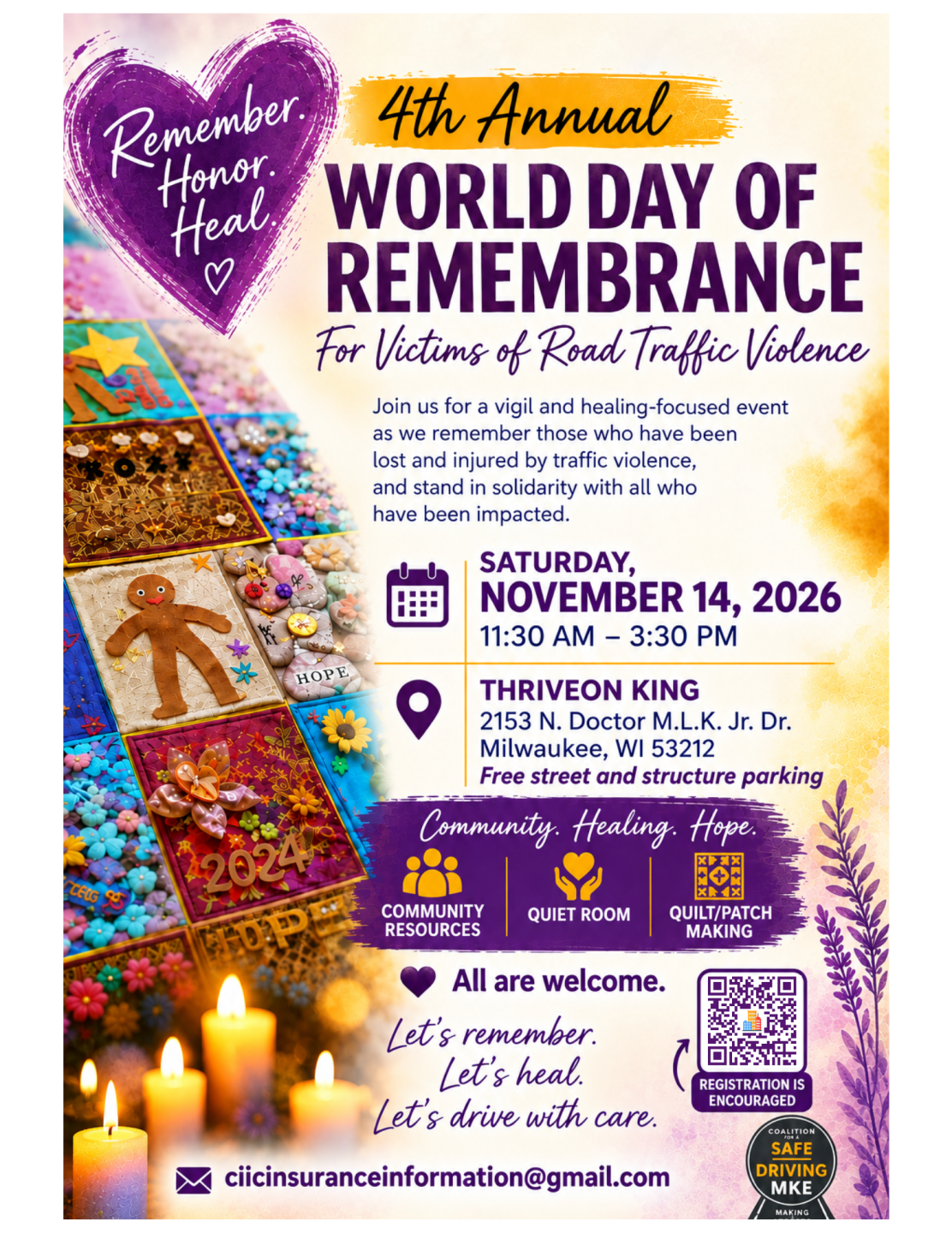
When: Saturday, November 14, 2026, 11:30 a.m.–3:30 p.m.
Where: ThriveOn King, 2153 N. Dr. Martin Luther King Jr. Drive, Milwaukee, WI 53212.
What to expect: Community resources, a quiet room, quilt and patch-making activities, opportunities to share memories and a space for families to support one another.
Admission: All are welcome. Free street and parking-structure parking are available. Registration is encouraged.
Residents with concerns about street safety can contact Milwaukee's Vision Zero office at 414-286-8502 or JWineb@milwaukee.gov.
It’s about time to watch on your time. Stream local news and weather 24/7 by searching for “TMJ4” on your device.
Available for download on Roku, Apple TV, Amazon Fire TV, and more.

