

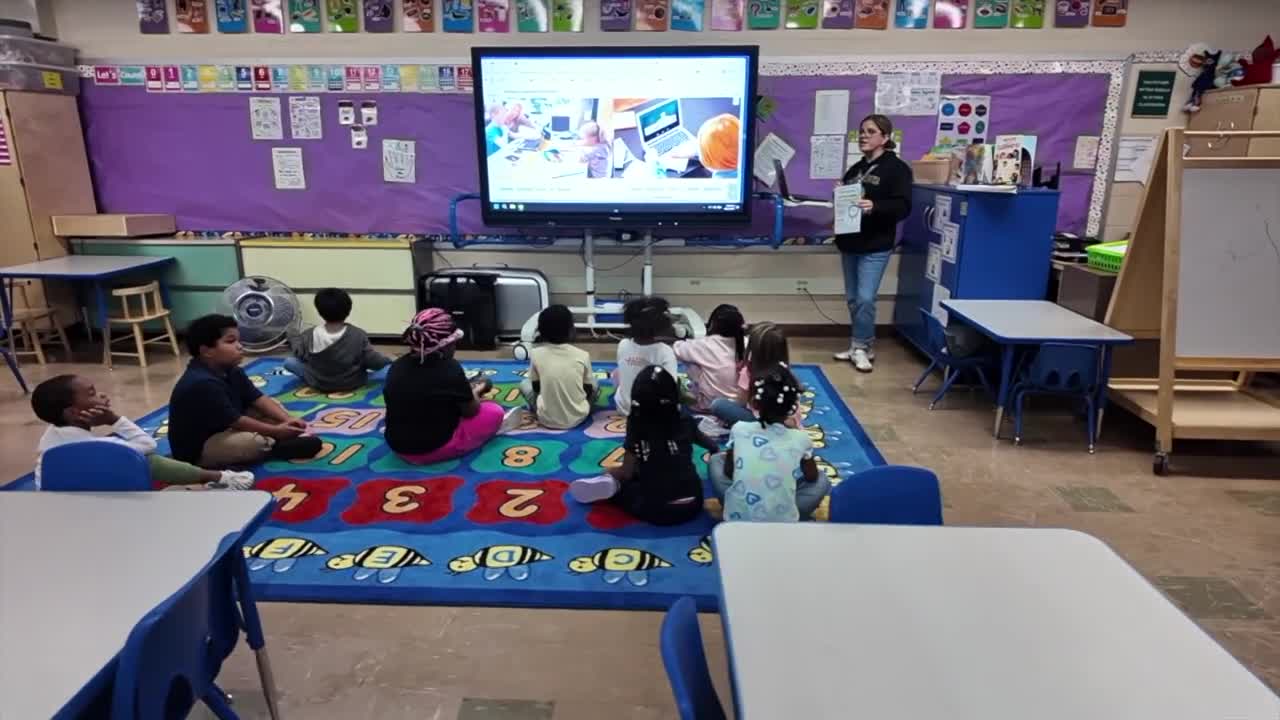



MILWAUKEE — Milwaukee Public Schools (MPS) is reporting early academic gains as the district rolls out a new approach to teaching reading, with new state test results showing improvement in English Language Arts, math, science and social studies among students in grades three through eight.
District leaders say the results are an early indication that changes to literacy instruction are beginning to take hold.
But they are also emphasizing that the work is far from finished.
Watch Gideon Verdin's report in the video player below:
English Language Arts (ELA) proficiency among MPS students in grades three through eight increased 1.5 percentage points, from 23.6% to 25.1% on the 2026 Wisconsin Forward Exam.
That means roughly one in four students tested proficient in ELA.
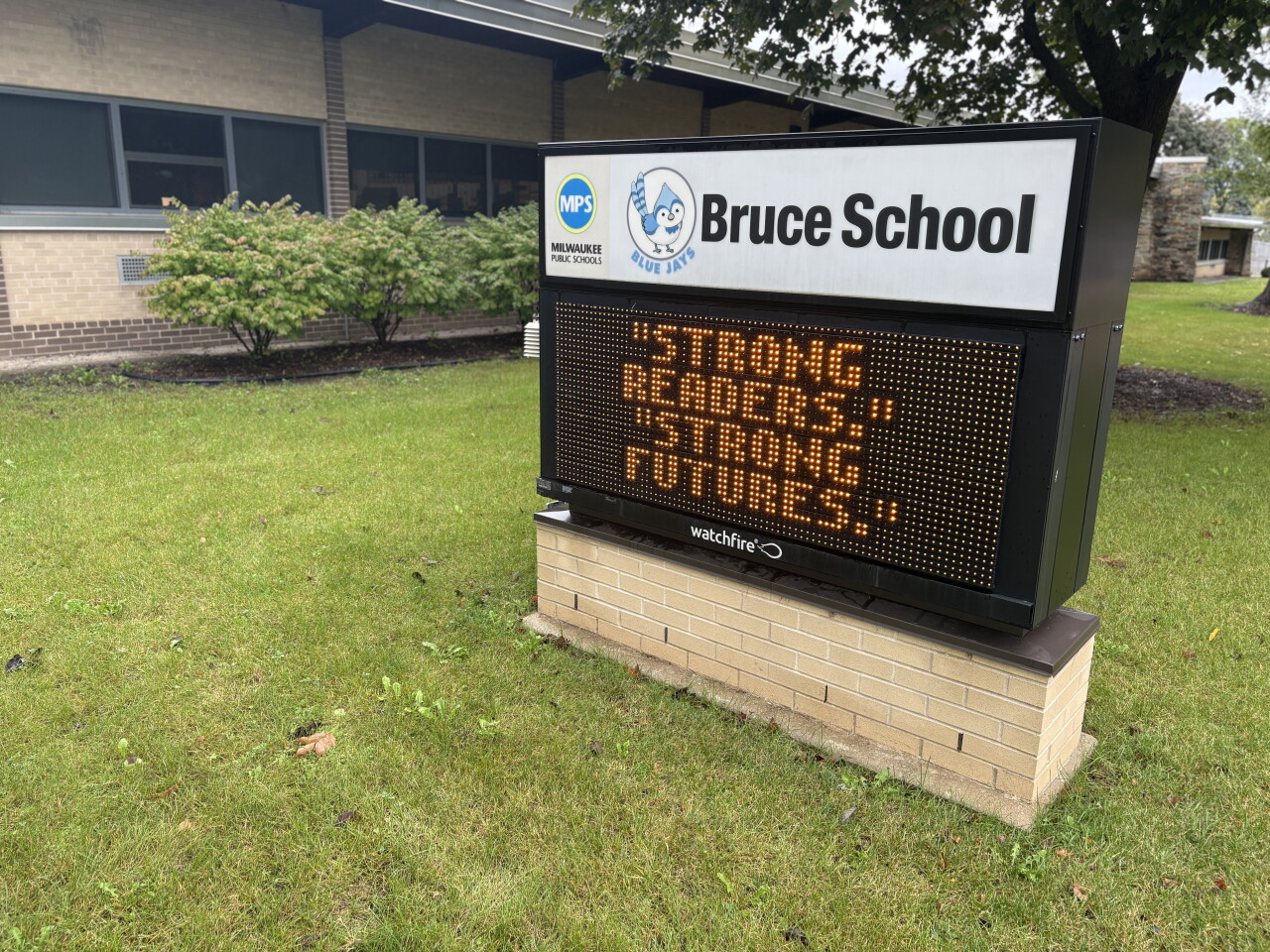
At Bruce Elementary School, where MPS leaders gathered Thursday to discuss the results, ELA proficiency increased by more than 10 percentage points.
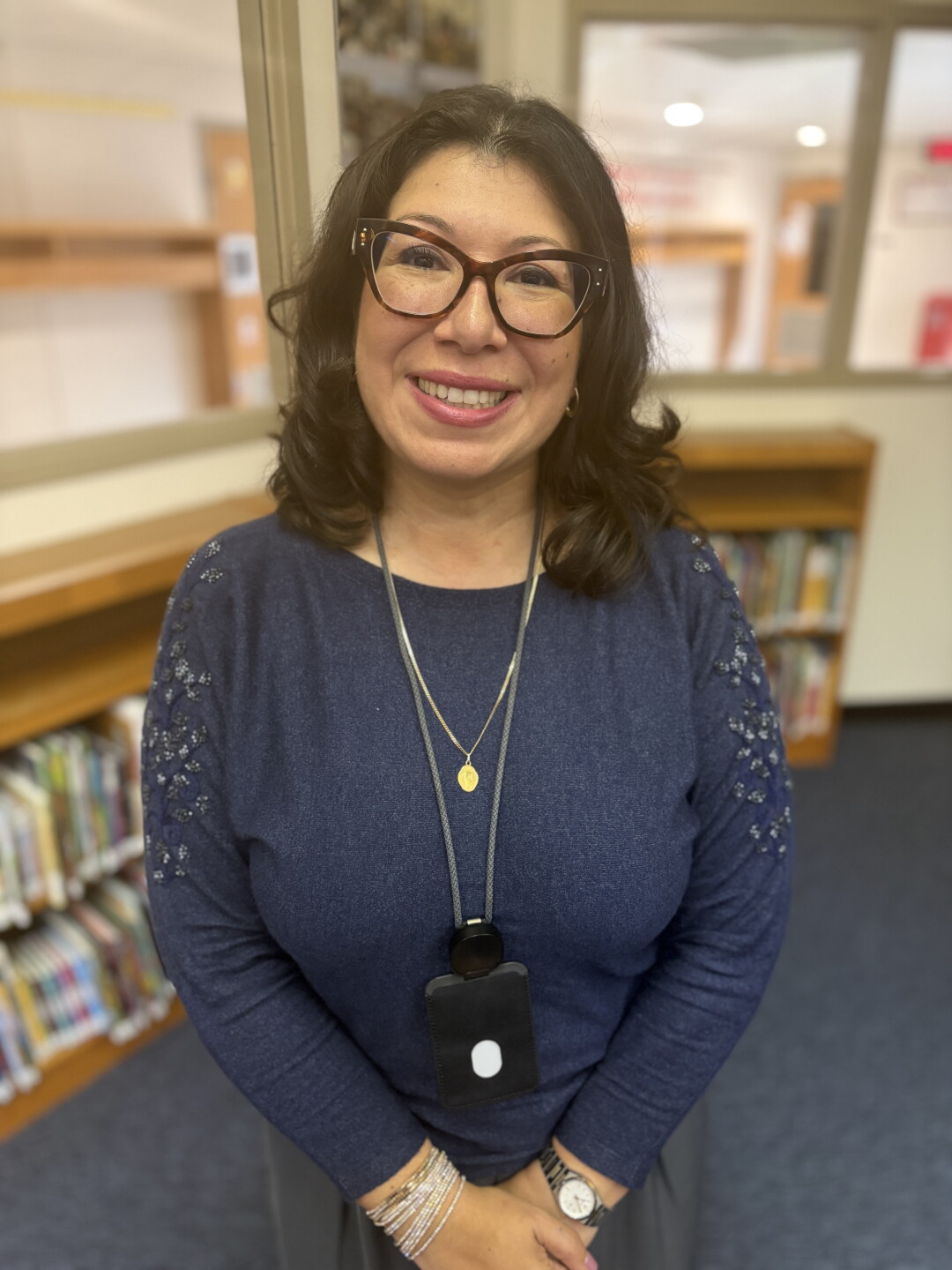
For Principal Lisa Turner, who is entering her 10th year leading Bruce, the numbers were emotional.
"I'm ecstatic. Like my stomach is, like, rolling right now because I'm really ecstatic. My heart is just full of a lot of joy. I'm just understanding and knowing that, you know, we're making those gains and growth that our kids really need," Turner said.

What the new scores show
MPS reported gains across several subjects for students in grades three through eight:
- English Language Arts: 23.6% to 25.1%, up 1.5 percentage points
- Math: 19.3% to 20.1%, up 0.8 pointS
- Science: 20.3% to 23.3%, up 3 points
- Social studies: 27.4% to 29.3%, up 1.9 points
MPS said 23 schools increased ELA proficiency by at least five percentage points.
Four schools — Bruce, Cass Street, Craig Montessori and Trowbridge School of Great Lakes Studies — posted gains of more than 10 percentage points, according to the district.
MPS also said Black students posted a two-point improvement in ELA. District officials said that rate of improvement outpaced the statewide average.
Ana Gabriela Bel Jimenez, MPS deputy chief academic officer, said that growth is particularly important because closing academic gaps requires students who have historically performed below their peers to improve at a faster rate.
"So 2% points may not seem like a lot, but it is a great indicator of positive trending," Bel Jimenez said.
What's changing inside classrooms?
MPS leaders say the district has been changing how students are taught to read, putting greater emphasis on explicit instruction connecting spoken sounds with letters, along with strengthening the connection between reading and writing.
Bel Jimenez described it as a more intentional approach to foundational literacy.
"So explicit teaching of word recognition — that connection between the sounds in the language and the letters that represent those sounds, and the connection between reading and writing," Bel Jimenez said. "The district has also increased professional development, coaching and support for teachers as they learn the new curriculum and instructional approach.
At Bruce Elementary, Turner said the school's gains reflect a combination of staff commitment, family support, and consistent systems inside the building.
"My staff, my families ... the support from the community," Turner said. "But definitely my staff understanding the strategies that need to be in place — I'm going that extra mile."
Teachers say the work is showing up in the numbers
Katharine Andres, a K5 kindergarten teacher at Bruce Elementary, has spent nine years with MPS and about 20 years in education.
She said teachers have been working together around shared academic goals while receiving additional curriculum support and training from the district.
"We've worked so hard, and I know so many schools in MPS are working so hard, and we just want to put our positive energy that we know we have forth, and we want Milwaukee to see it," Andres said.
Andres said Bruce's culture also plays a role, describing returning families, dedicated staff and a school community focused on putting children first.

High school results tell a different story
The district's high school results were more mixed.
MPS reported:
- High school math proficiency: 12% to 13%, up 1 percentage point
- High school science proficiency: 14.8% to 15.2%, up 0.4 points
- High school ELA proficiency: 21.4% to 20.2%, down 1.2 percentage points
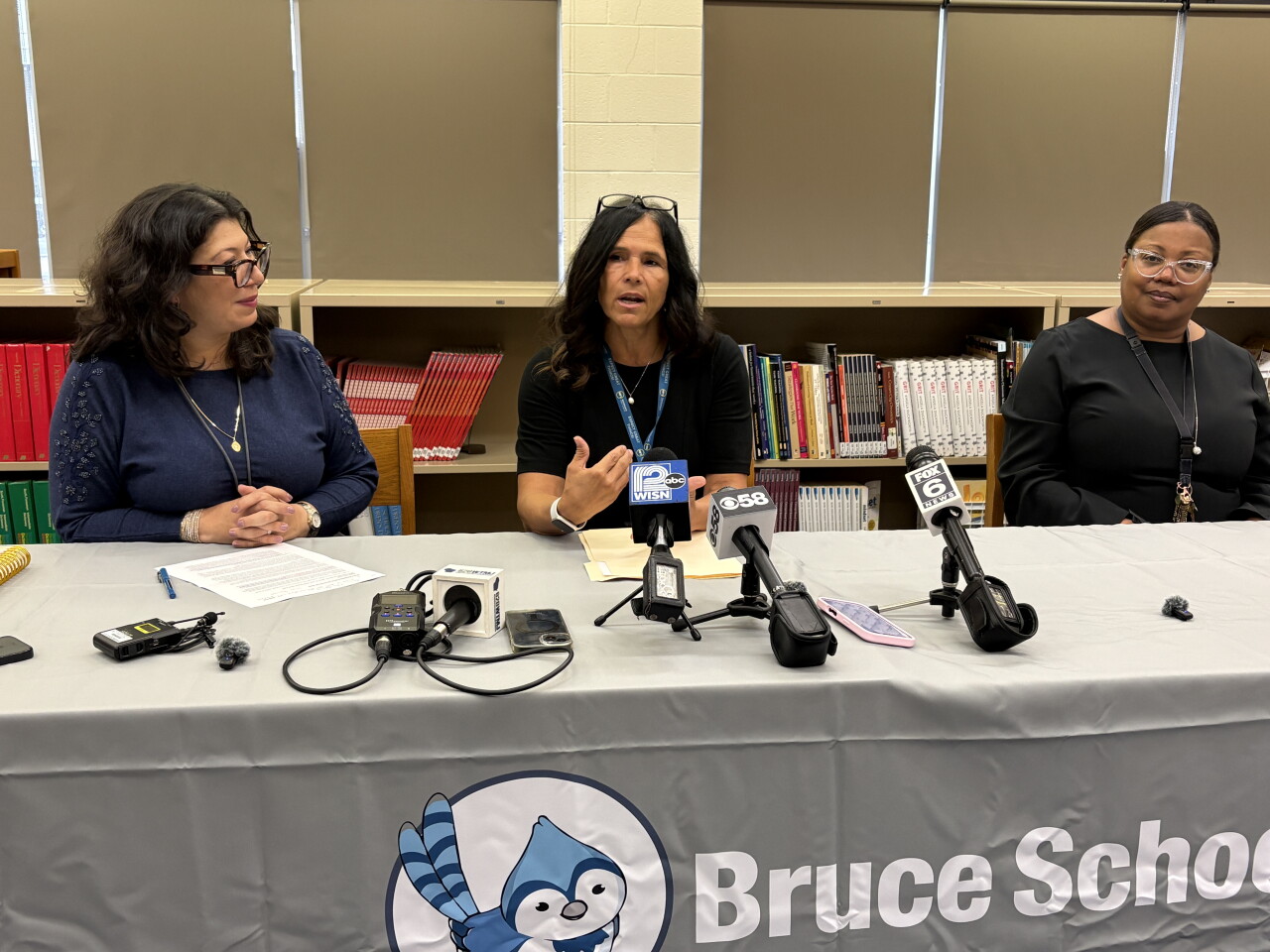
Superintendent Brenda Cassellius said the high school ELA decline shows where the district needs to focus next.
MPS introduced a new high school ELA curriculum this fall. Cassellius also pointed to chronic absenteeism as a continuing challenge, particularly among older students.
During Thursday's news conference, she said the district plans to focus both on getting students into school consistently and providing additional academic interventions for students who are behind.
Progress, but still a long way to go
MPS leaders repeatedly emphasized Thursday that they view the results as early progress rather than a finish line.
Even after the increase, only 25.1% of students in grades three through eight tested proficient in English Language Arts, while 20.1% were proficient in math.
Turner said Bruce's success does not mean every student is where educators want them to be.

"I think the challenge might be that when we talk about all means all, we're not getting them all moving in the direction that we would like to see," Turner said. "And so now what is — what are our next steps? What else can I do? What strategies, what other additional strategies can I put into place so that we can really focus on making sure that everyone is growing?"
Cassellius made a similar point during the news conference, saying she was encouraged by the direction of the scores but did not consider the current proficiency levels good enough.
She said the district typically would not expect large gains during the first year of a major instructional change and was encouraged that scores increased instead of experiencing what she described as an "implementation dip."
What parents can do
District leaders say parents should continue asking schools how their children are performing and what they are expected to learn during the school year.
Bel Jimenez urged families to expect improvement while also holding the district accountable.
"Hold us accountable to our goal that all will read and all will teach," Bel Jimenez said. "If we have the pleasure and the privilege of serving your kiddos, ask what are the things that are being taught and what are the things that are being learned, and who is doing the teaching."

MPS leaders also stressed the importance of attendance, saying students need to consistently be in class for the district's instructional changes to have their intended impact.
For teachers like Andres, the latest scores are validation of the work already underway — while also providing motivation to keep going.
"We love Milwaukee. We wouldn't teach in Milwaukee if we didn't love Milwaukee, so it's an awesome feeling to have gotten the news," Andres said.

