


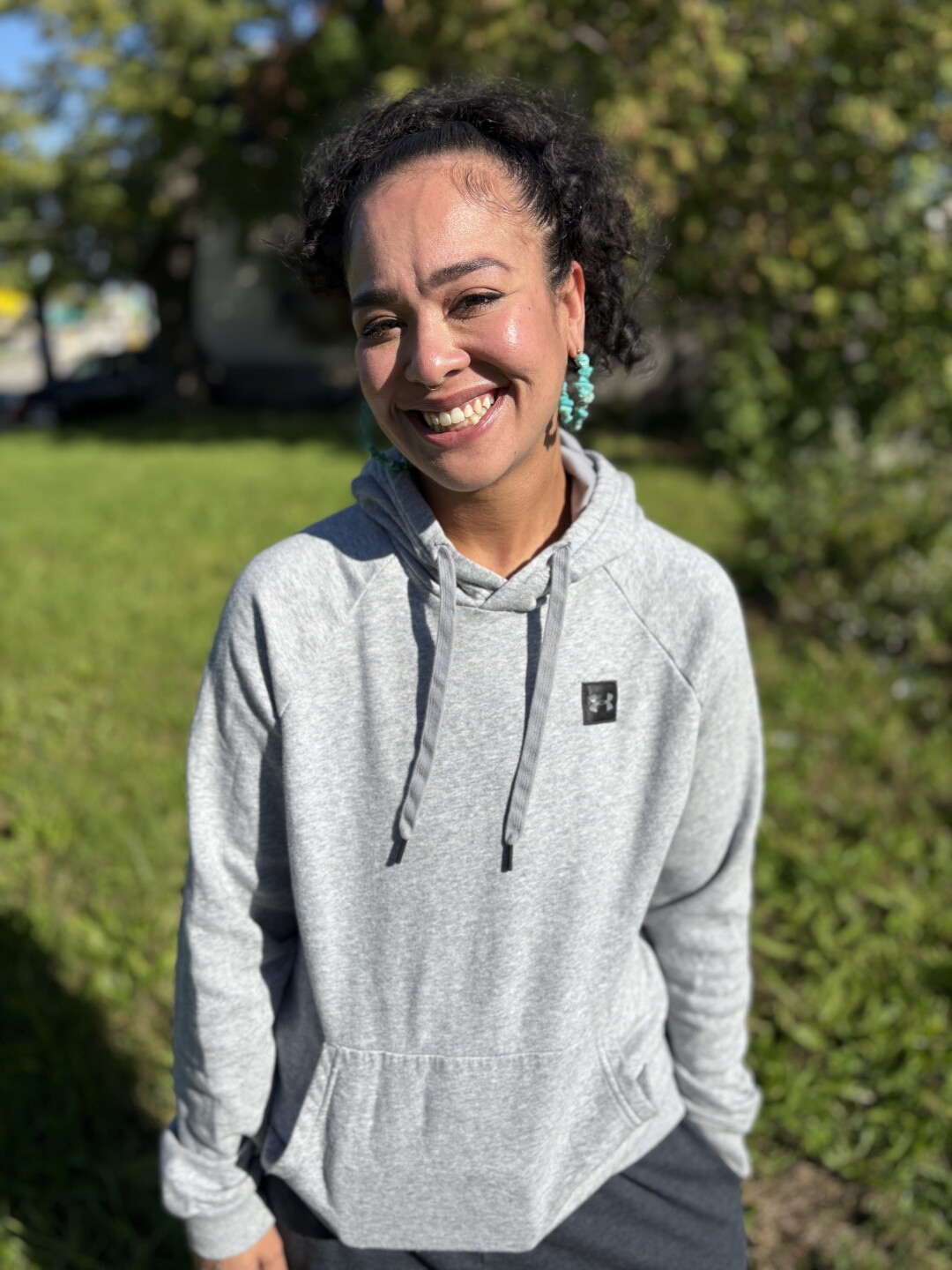
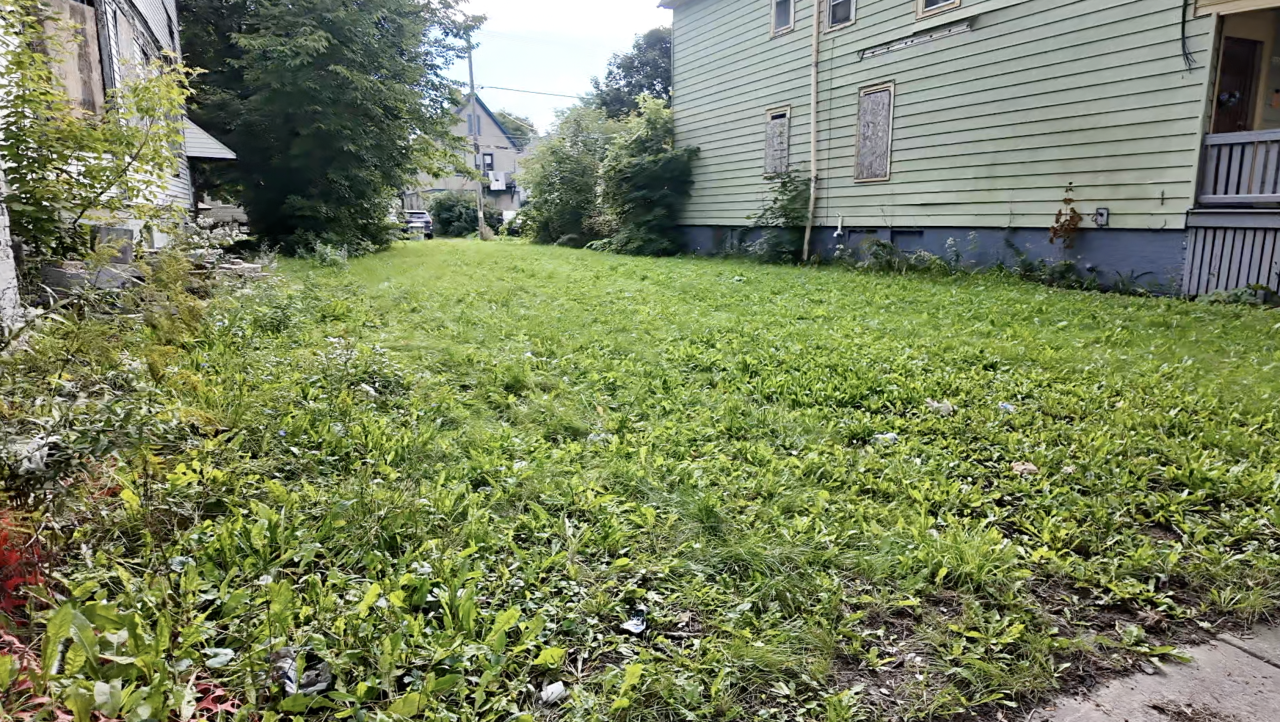
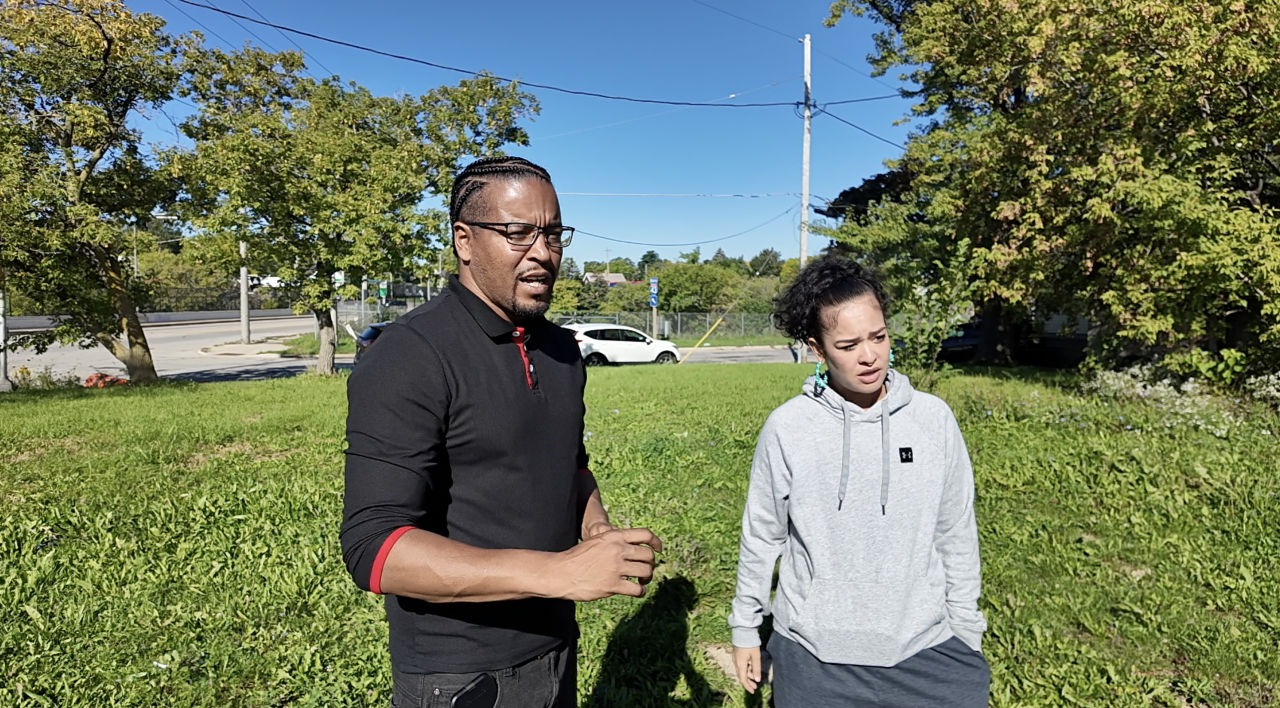
For most people, an empty lot is just that — an empty lot. For Mariah Johnson, it represents something she has wanted for much of her life: a place in Milwaukee she can finally call her own.
Johnson has spent her entire adult life renting. She was born and raised in Milwaukee and said putting down permanent roots in the city carries special meaning.
See the full story in the video below
"Honestly, just like having roots. I feel like my roots are so heavy in Milwaukee, so being able to buy a house in a, in a city that I was born and raised in is really one of the most important things I want to do in life," Johnson said.
Her desire for stability goes back to childhood.
"I've rented my whole entire adult life, but I also watched my mom rent our whole entire life. So I actually moved probably about 20 to 25 times my whole childhood. Every tax season we were just moving into the next place," Johnson said.
Johnson now has two daughters of her own. She said buying a home would mean providing them with something she didn't always have.
"I feel like I could make a move towards stability for my family," Johnson said.
Turning vacant lots into homes
Milwaukee's REVIVE Housing Development Attached Housing Pilot is designed to put new owner-occupied housing on city-owned vacant lots.
The city is working with developers on attached housing that could include townhomes and rowhouses, as well as duplexes where the homeowner occupies one unit and may rent the other. Under the city's original program requirements, the homes must be sold to income-qualified owner-occupants, with a minimum five-year owner-occupancy requirement. Buyers would also be required to complete eight hours of homebuyer counseling.
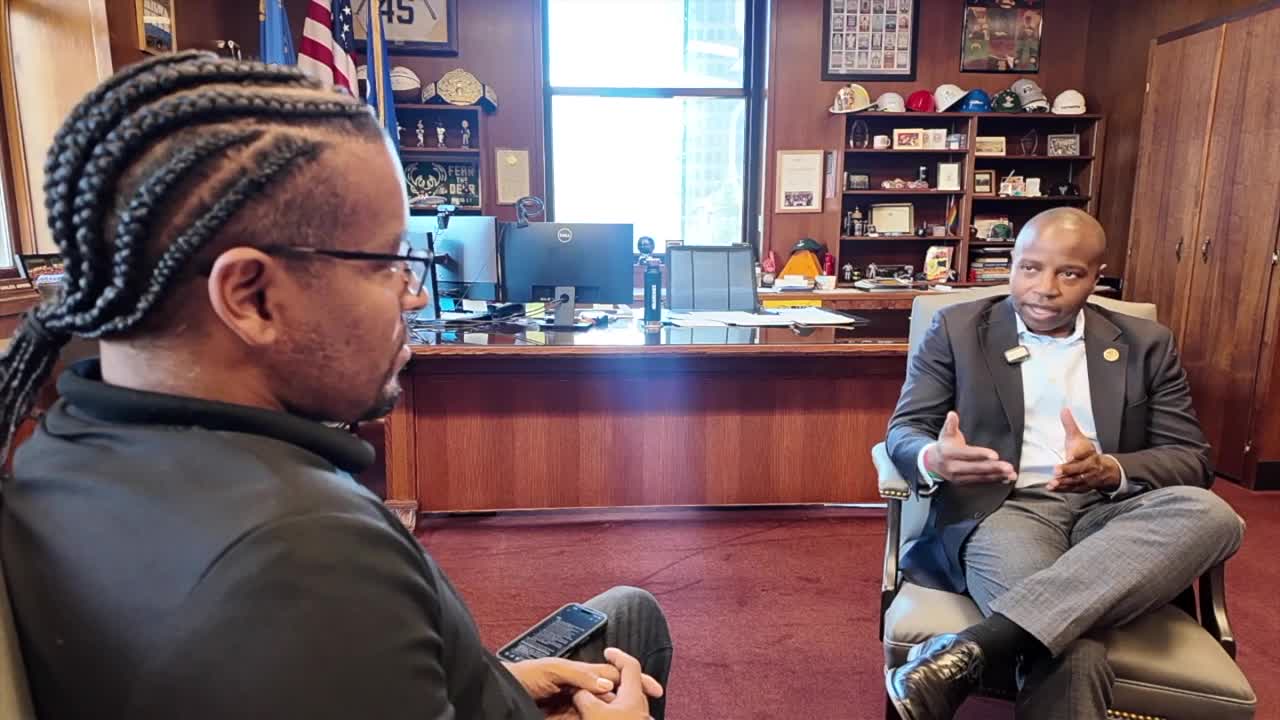
The initiative comes during Mayor Cavalier Johnson's designation of 2026 as Milwaukee's "Year of Housing," an effort focused on increasing housing supply, affordability and access. The mayor has said REVIVE is intended to put vacant land back into productive use while creating additional opportunities for homeownership.
For the mayor, the goal also connects to his own childhood.
"I want that to come back to reality, should I say, where somebody can find a home, where they can find stability, where their kids don't have to move around as much as I did when I was a kid, where they don't have to go to multiple different elementary schools like I had to do when I was growing up," Mayor Johnson said.
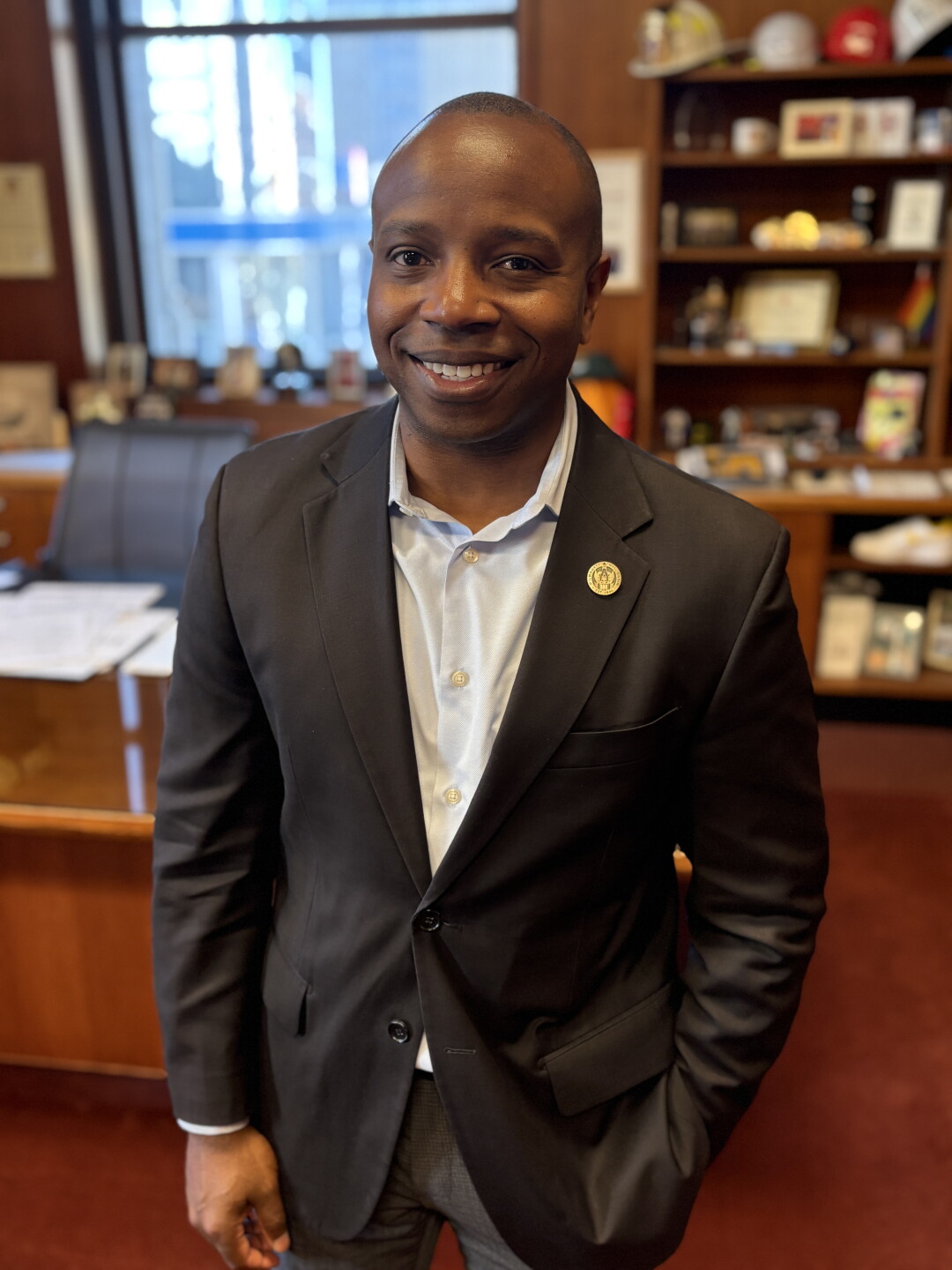
The mayor has previously said he attended six different elementary schools because his family moved frequently while he was growing up. The city's Year of Housing initiative identifies neighborhood stability as one of its goals.
So what does "affordable" mean?
That is the question Johnson wants answered before deciding whether a program like REVIVE could actually work for her.
The homes are intended for households earning no more than 80% of area median income.
Under Milwaukee's 2026 income guidelines, that currently means up to $60,700 for a one-person household, $69,400 for two people, $78,050 for three people and $86,700 for a family of four.
But qualifying by income doesn't yet tell prospective buyers how much a REVIVE home will cost.
Lafayette Crump, commissioner of the Department of City Development, said those prices have not been finalized.
"Well, sales price has not quite been locked in yet. One of the ways that we're ensuring affordability is by helping the developers with their design costs as well as with the construction costs," Crump said.
The city's original REVIVE request for qualifications illustrates how that could work. One example estimated a four-unit townhome development would cost $310,000 per unit to build. With an estimated $105,000 development subsidy per unit, the example listed an estimated sale price of $205,000.
Another example estimated a three-unit townhome development at $350,000 per unit. After an estimated $110,000 development subsidy, the city used a $240,000 estimated sale price. The example also showed how outside down-payment assistance could potentially lower the amount paid by a qualified buyer.
Those figures are examples — not final prices for the homes that will ultimately be built.
The original program documents projected development subsidies averaging roughly $90,000 to $110,000 per unit. Selected development teams are also eligible for up to $25,000 each to help cover architectural and engineering design costs.
Crump said the subsidy is intended to close the gap between what it costs to construct a new home and a price an income-qualified buyer can afford.
"So our subsidy of around $25,000 for design costs and probably somewhere around $100,000 per home on the construction cost is really going to lower that ultimate sales price for the home," Crump said.
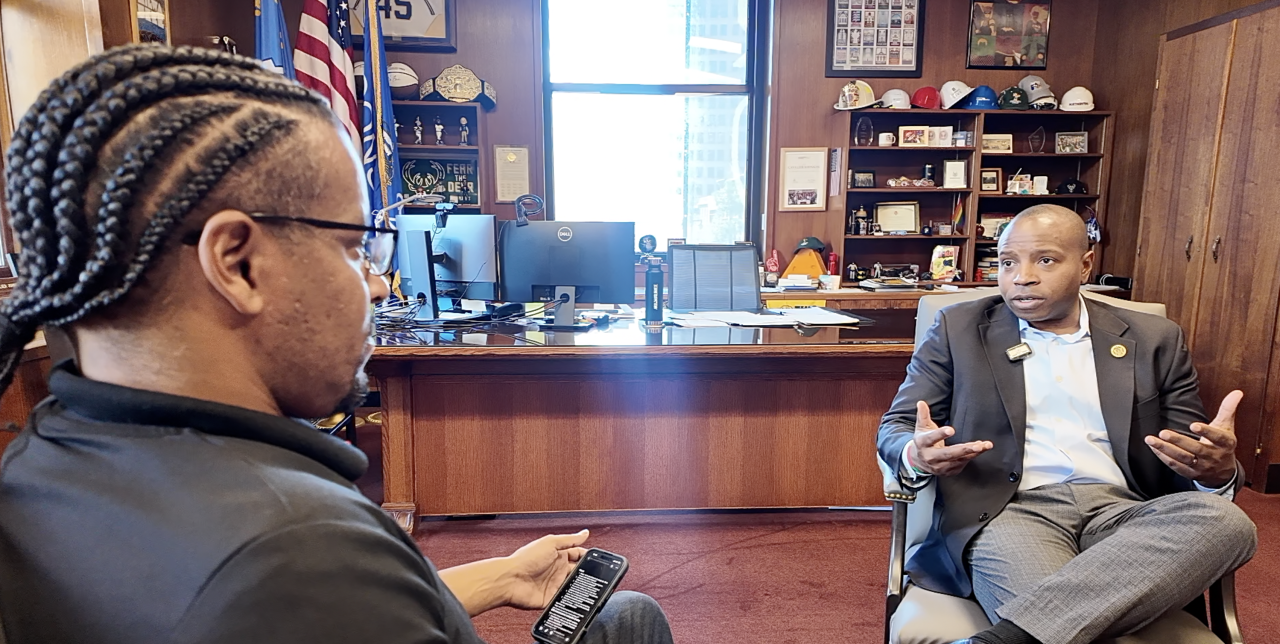
Mayor Johnson said public funding is what allows the city to reduce that gap.
"Because there's public money to support this, because there's federal money that's going to support this, we are buying down, you know, some of the costs with a subsidy in order to make it more affordable for people to go in," Mayor Johnson said.
Mariah Johnson wants affordability to last
For Mariah Johnson, however, getting into a home is only part of the equation.
She said she also thinks about what could happen to a neighborhood — and her housing costs — years after she buys.
"If I buy a house on this lot or in this neighborhood in 10 years, is this still gonna be my neighbor's, or am I gonna be forced out of a home that I just bought," Johnson said.
She also wants prospective homeowners to have help navigating a process many families may never have been taught.
"If I'm gonna buy a house, like am I gonna have the tools? Am I gonna have someone that's gonna help me step by step because that stuff is not taught in MPS. It's not taught in school," Johnson said.
The city's original REVIVE requirements call for buyers to complete eight hours of counseling through a DCD-approved nonprofit homebuying counseling agency.
Johnson said she would consider participating in the program, but the eventual price will matter.
"I feel like 150,000 is reasonable for a house," Johnson said.
She said she could see roughly $150,000 to $250,000 as an affordable range depending on the home.
"Don't slap affordable just to make it seem like it's affordable. Actually make it affordable," Johnson said.
What happens next?
Specific lots, final home designs and actual sale prices are still being worked out.
The city and selected development teams will match designs with city-owned vacant lots and develop project budgets. Under the REVIVE framework, the city reviews each individual project to determine the appropriate subsidy before transferring the lot and finalizing an agreement.
That means Milwaukee residents cannot yet point to a particular vacant lot and know exactly what will be built there — or what it will cost.
For Mariah Johnson, though, the possibility is enough to imagine something different on land that today is just grass and dirt.
"We have so many empty lots and to be able to put a house here and, you know, build more of a community is what I think is needed around here," Johnson said.
And for her, owning one would be about more than having an address.
"I want to be able to have like a home to come home to," Johnson said. "I know that like I don't know if Milwaukee will be forever home for me, but I need to have a forever home in my city."
WHO COULD QUALIFY?
REVIVE homes are intended to be sold to owner-occupants with household incomes at or below 80% of area median income. Final home prices and specific properties have not yet been announced.
CONTACT / MORE INFORMATION
People interested in the REVIVE program can contact the City of Milwaukee Department of City Development.
Department of City Development: 414-286-8220
This story was reported on-air by a journalist and has been converted to this platform with the assistance of AI. Our editorial team verifies all reporting on all platforms for fairness and accuracy.
It’s about time to watch on your time. Stream local news and weather 24/7 by searching for “TMJ4” on your device.
Available for download on Roku, Apple TV, Amazon Fire TV, and more.

