



MILWAUKEE — Milwaukee is seeing fewer homicides and nonfatal shootings this year, but city leaders say the progress reflected in citywide numbers does not tell the full story of what some neighborhoods are experiencing.
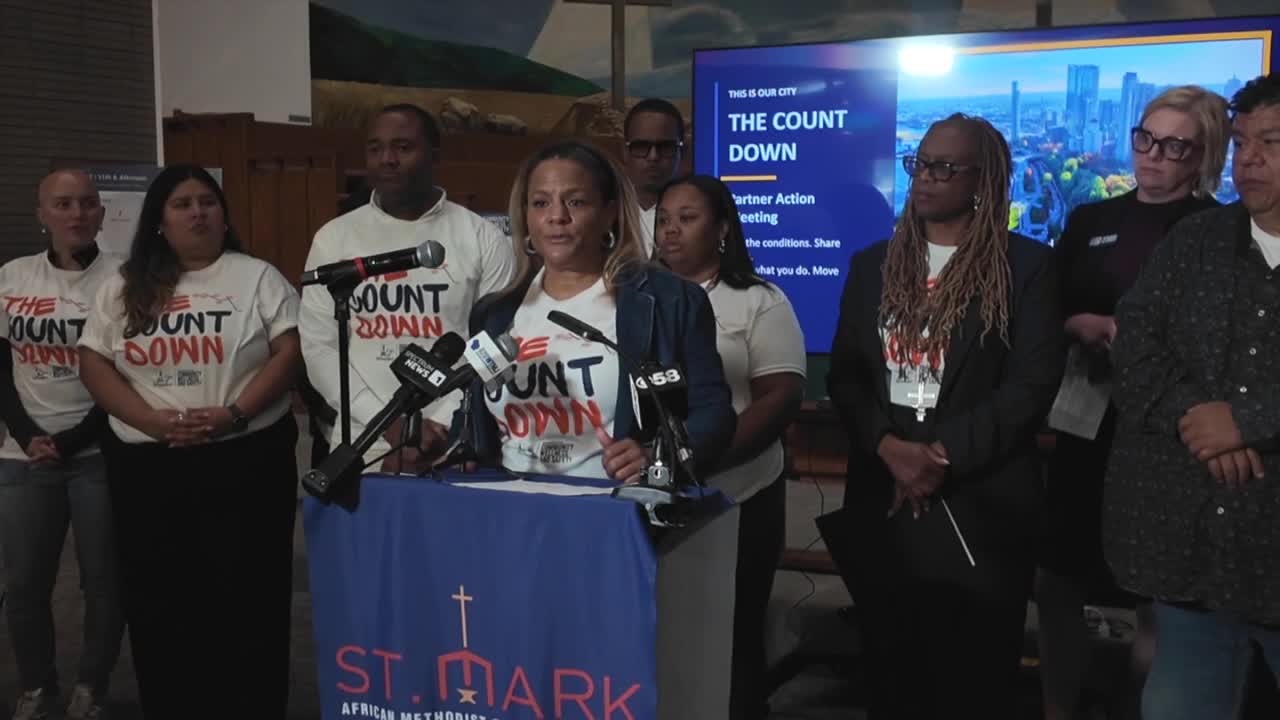
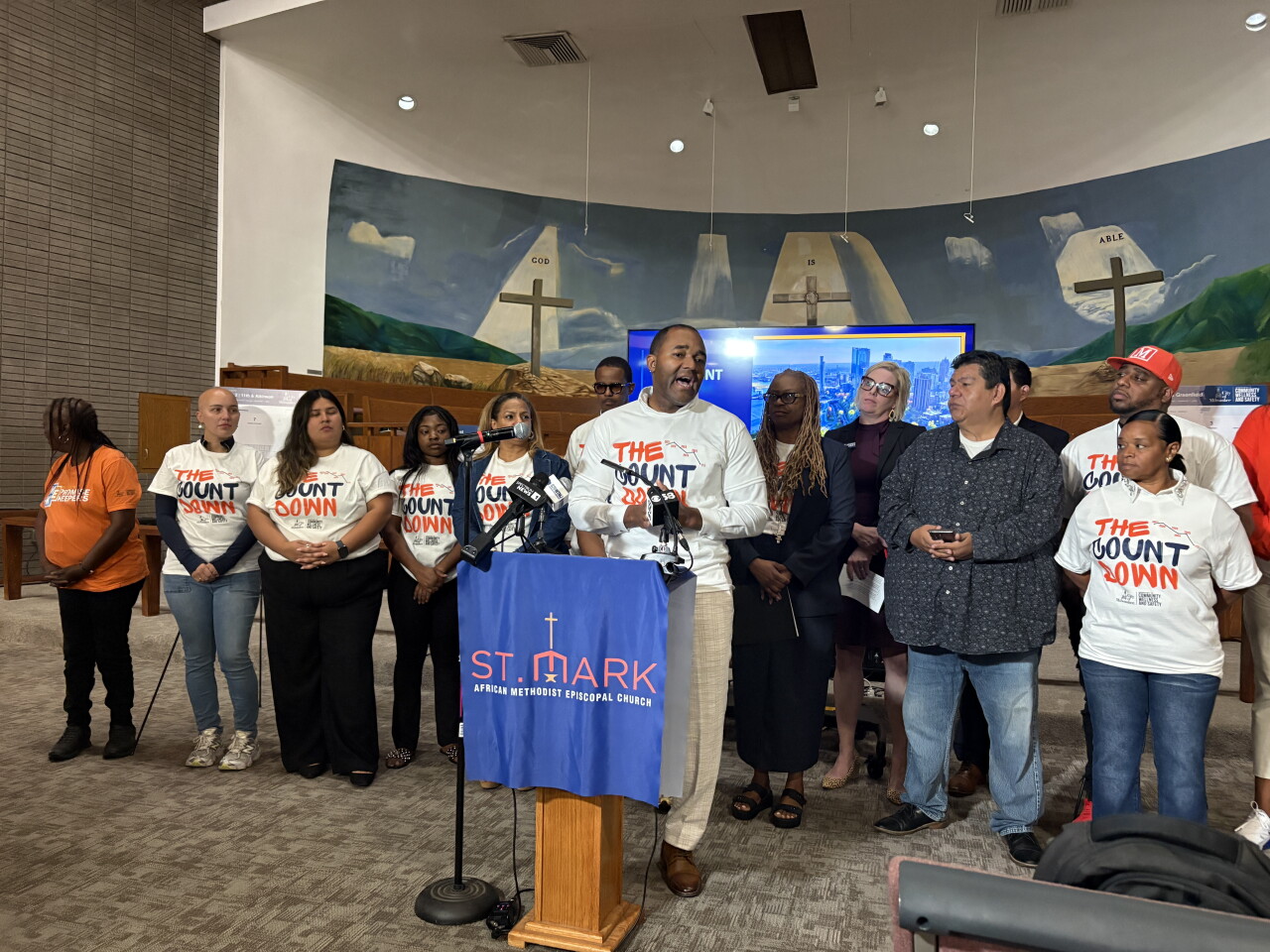
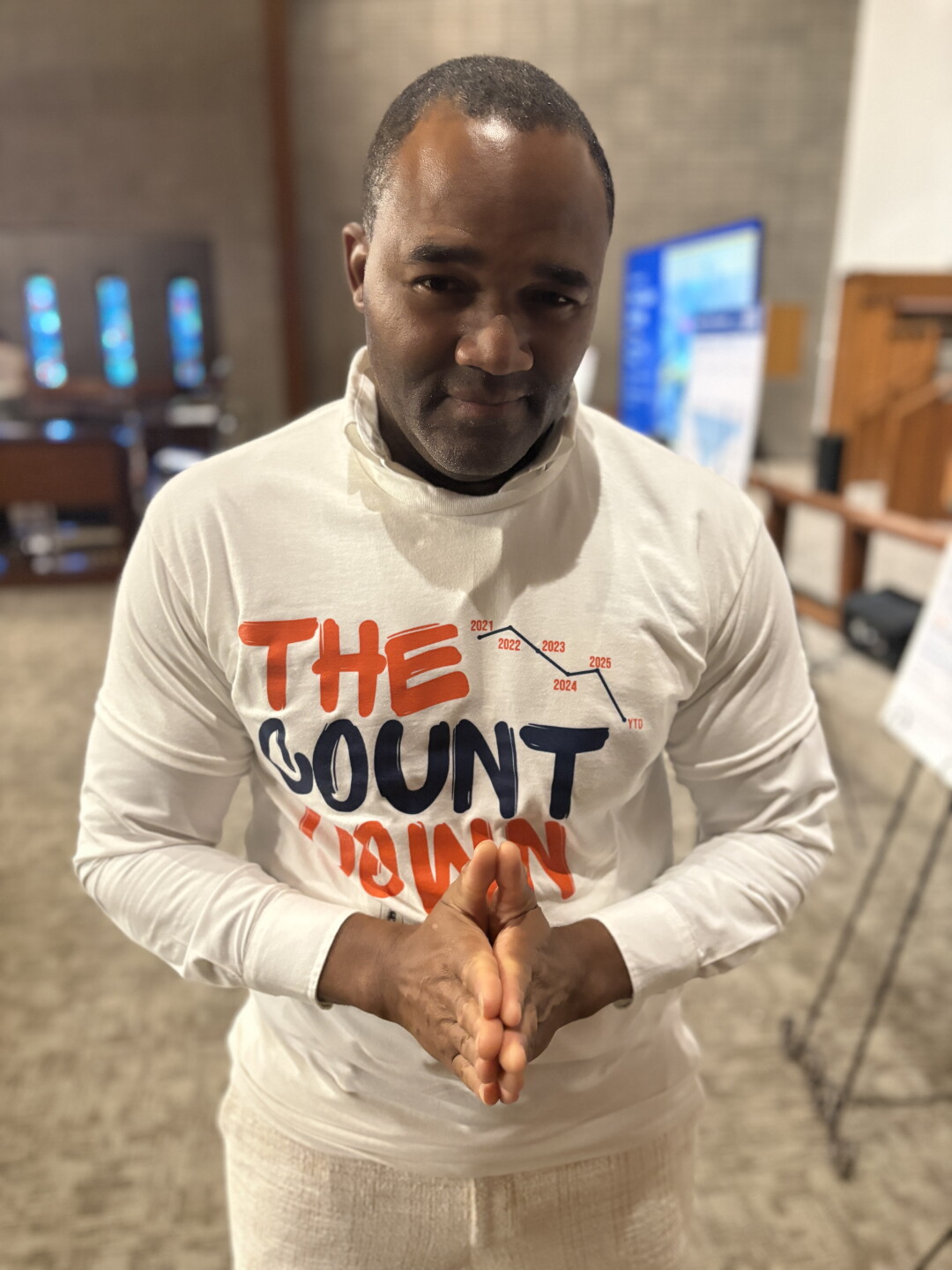
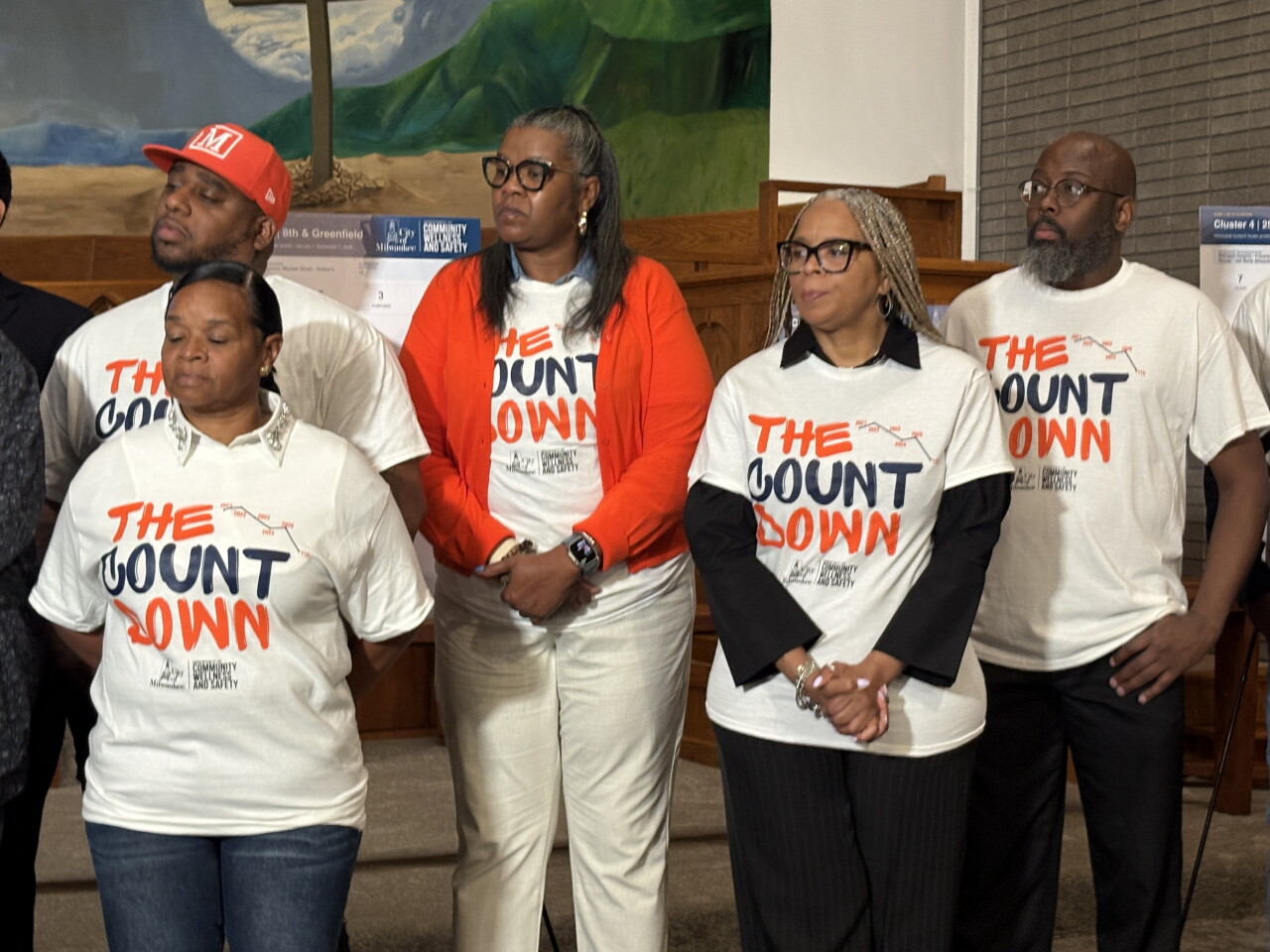
On Tuesday, the Milwaukee Department of Community Wellness and Safety launched “This Is Our City: The Count Down,” a coordinated violence-prevention effort aimed at 26 areas where shootings and homicides have been concentrated.
Watch Gideon Verdin's report in the video player below:
The strategy brings city departments, violence-intervention workers, faith leaders, schools and community organizations together to focus existing resources on two of those clusters each week through the end of 2026.
As of Tuesday, Milwaukee had recorded 79 homicides, compared with 103 at the same point last year — a decrease of about 23%. Nonfatal shootings were down 26%, from 389 last year to 293 this year, according to figures presented by the Department of Community Wellness and Safety.
Those numbers represent significant progress, but officials say the decline has not been evenly distributed across Milwaukee.
“That said, we also know that progress is not felt equally across Milwaukee. In some neighborhoods, the reality feels very different,” said Julien Phifer, a program manager with the Department of Community Wellness and Safety during Tuesday's announcement.
What is a violence cluster?
The city analyzed where serious violence has occurred and identified 26 higher-volume clusters containing three or more incidents.
Rather than treating an entire ZIP code or neighborhood as a single problem area, the approach allows officials to focus more narrowly on corridors and groups of blocks where shootings have repeatedly occurred.
Five of the 26 cluster profiles were displayed at Tuesday's event. Those examples showed:
- 23rd and Locust: 9 victims — 5 homicides and 4 nonfatal shootings
- 11th and Atkinson: 7 victims — 4 homicides and 3 nonfatal shootings
- 2nd and Burleigh: 7 victims — 4 homicides and 3 nonfatal shootings
- 25th and Capitol: 7 victims — 4 homicides and 3 nonfatal shootings
- 8th and Greenfield: 7 victims — 3 homicides and 4 nonfatal shootings
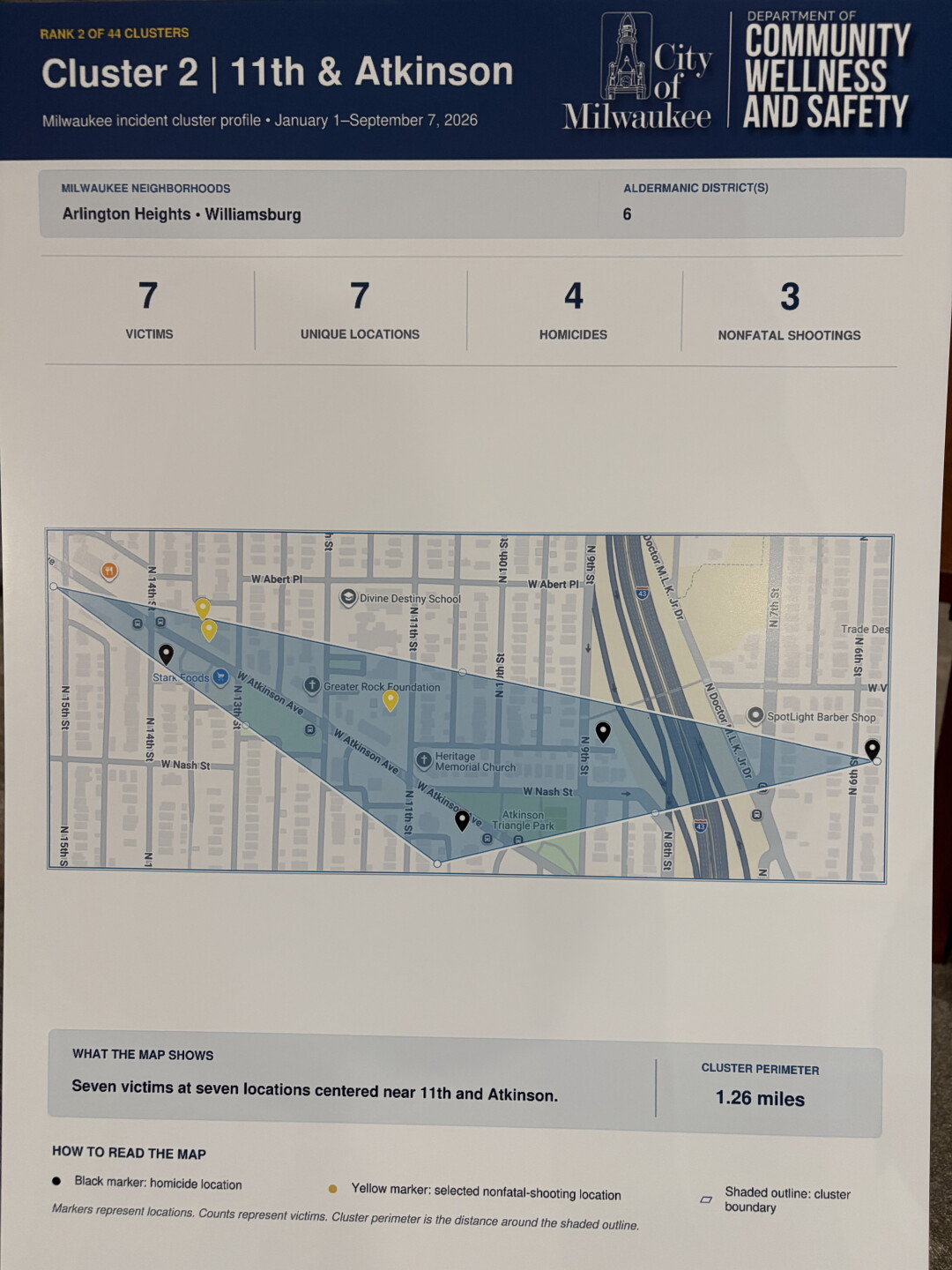
The profiles covered incidents from Jan. 1 through Sept. 7.
Together, the five profiles displayed at the event show 37 victims — 20 killed and 17 wounded. Those figures represent only the five displayed profiles, not all 26 clusters.
Officials said the area surrounding St. Mark AME Church, where Tuesday's announcement was held, is itself near several concentrations of serious violence.
Why leaders say this is about more than shootings
Phifer said the same areas experiencing concentrated violence are often dealing with other pressures — including poverty, housing instability, food insecurity, mental-health challenges and substance use.
“Because those are the same areas where we see eviction rates more than twice the citywide average. Those are the same areas where, you know, people are struggling with putting food on the table, and so the violence concentrates in the same places where the conditions are; where folks are struggling the most,” Phifer said.
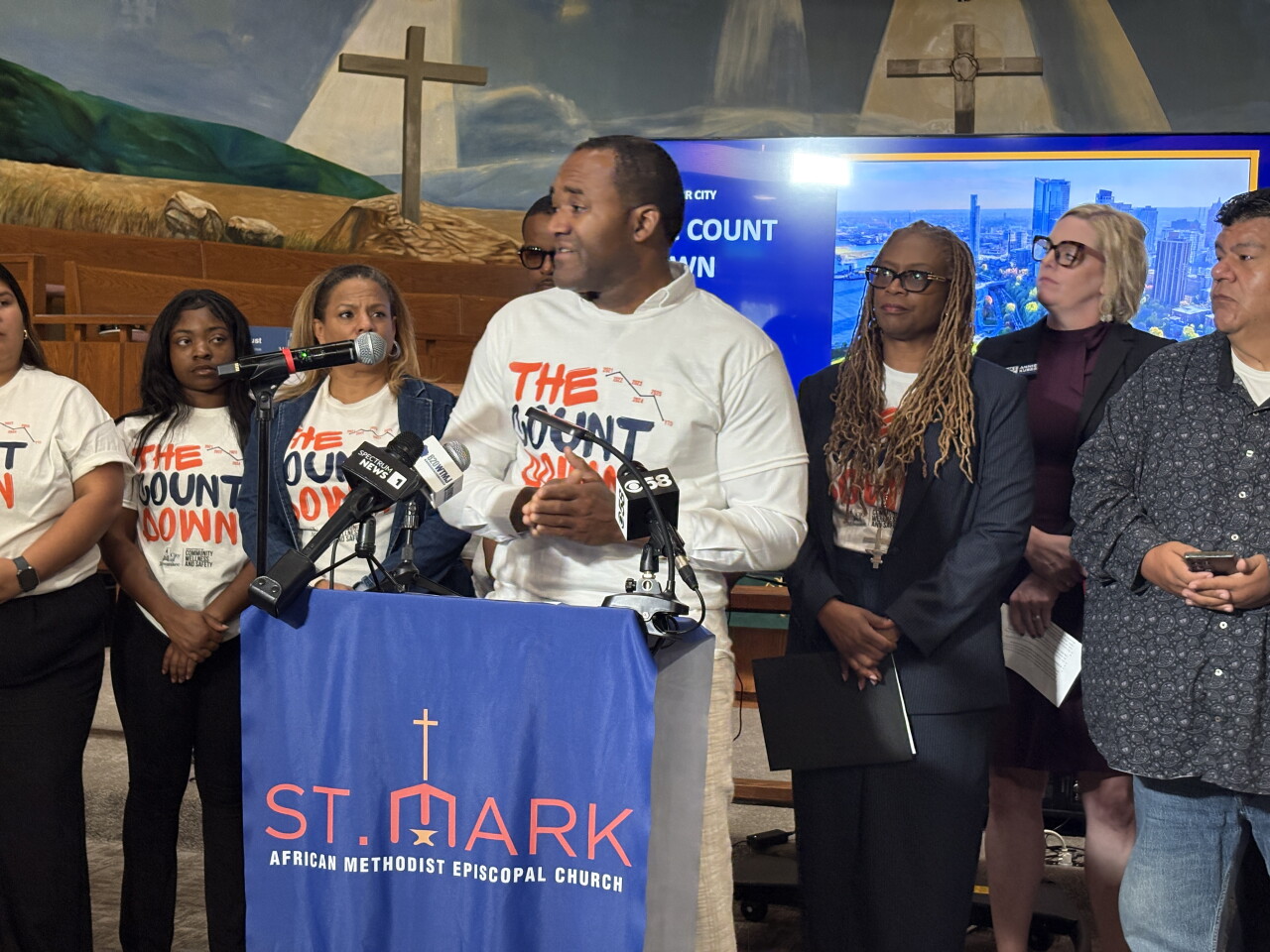
City officials described the strategy as a public-health approach to violence prevention — trying to address conditions that can contribute to violence before another shooting occurs.
The Department of Community Wellness and Safety describes that approach as looking not only at violence itself, but also at the social, behavioral and environmental factors that influence it.
That means the response could look different from one cluster to another.
Officials said teams will examine conditions such as street lighting, vacant or poorly maintained properties, overgrown vegetation, reckless driving, opioid and substance use, mental-health needs and access to basic services.
Partners could then bring resources such as job and application assistance, food support, eviction prevention, emergency hardship assistance, mental-health services, substance-use prevention, youth programming, neighborhood cleanups and violence interruption.
The city says the goal is not necessarily to create entirely new programs, but to better coordinate resources that already exist and bring them directly into areas where data show the greatest need.
“We know that people are doing this work,” Phifer said during the press conference. “What this is calling for is a more coordinated mobilization of those efforts.”
A church in the middle of the problem
For Rev. Dr. Joy L. Gallmon, pastor of St. Mark AME Church, those underlying issues are visible far beyond a crime map.
The church has been part of the neighborhood for more than a century and operates a food pantry that Gallmon said regularly serves between 150 and 165 families. She described seeing parents trying to stretch limited resources, families dealing with unstable housing, and people carrying trauma that has never been addressed.
“It all comes back to poverty. If you look at the numbers, education, mental health, violence, domestic violence, drug abuse—all comes back to poverty,” Gallmon said.
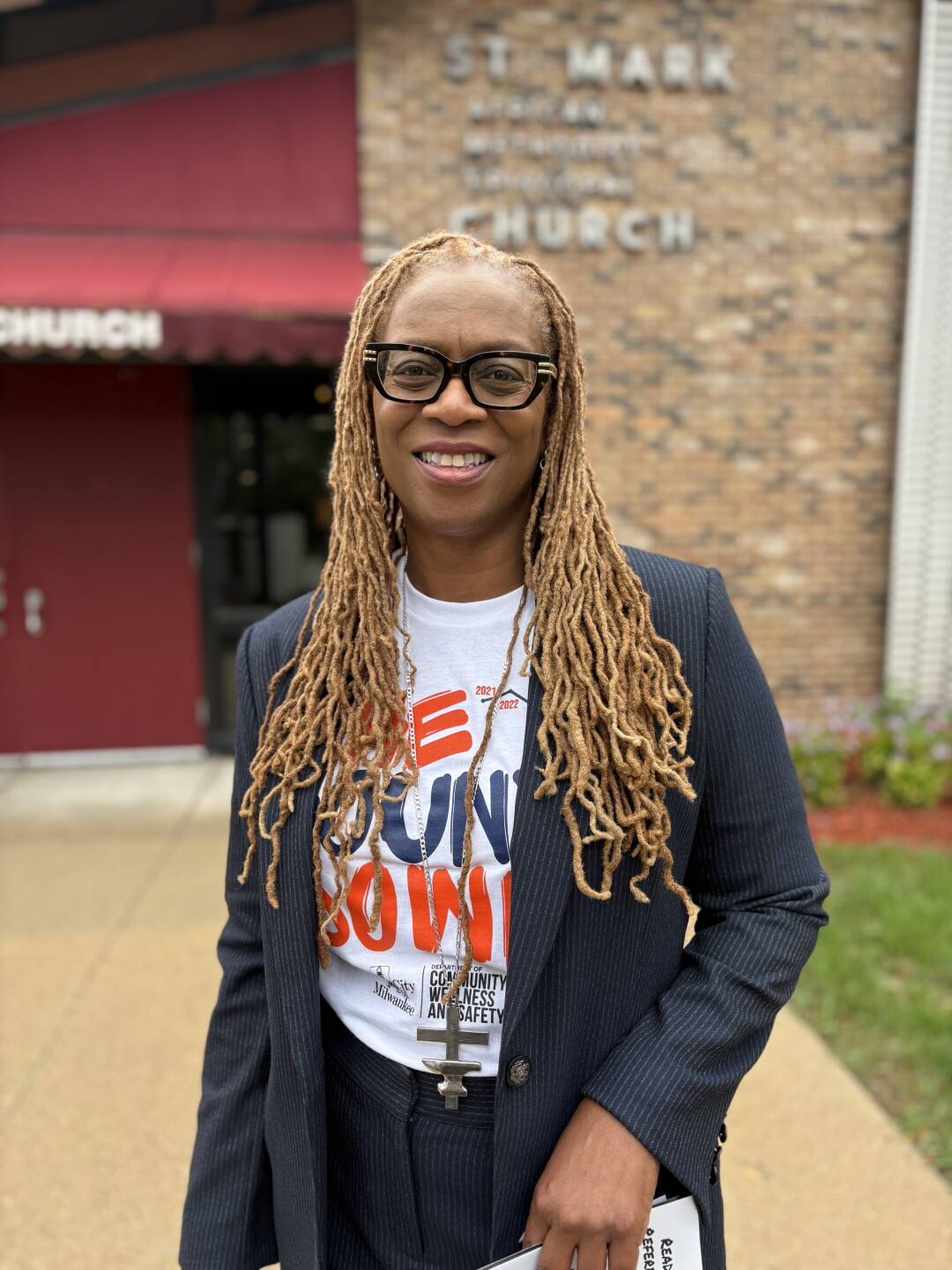
But Gallmon said her church has also seen what intervention can look like at its most personal.
She recalled occasions when people dealing with anger and violence came into the church before retaliating against someone.
“Because of the men and the women and the space in this sanctuary, we were able to be the stop gate for enough time for this person—these people to gather themselves and to do what's really in the best interest of themselves and their children,” Gallmon said.
For her, that is part of what the city's broader strategy must accomplish: putting trusted people and resources close enough to intervene before another situation becomes a homicide.
Taking prevention to the street
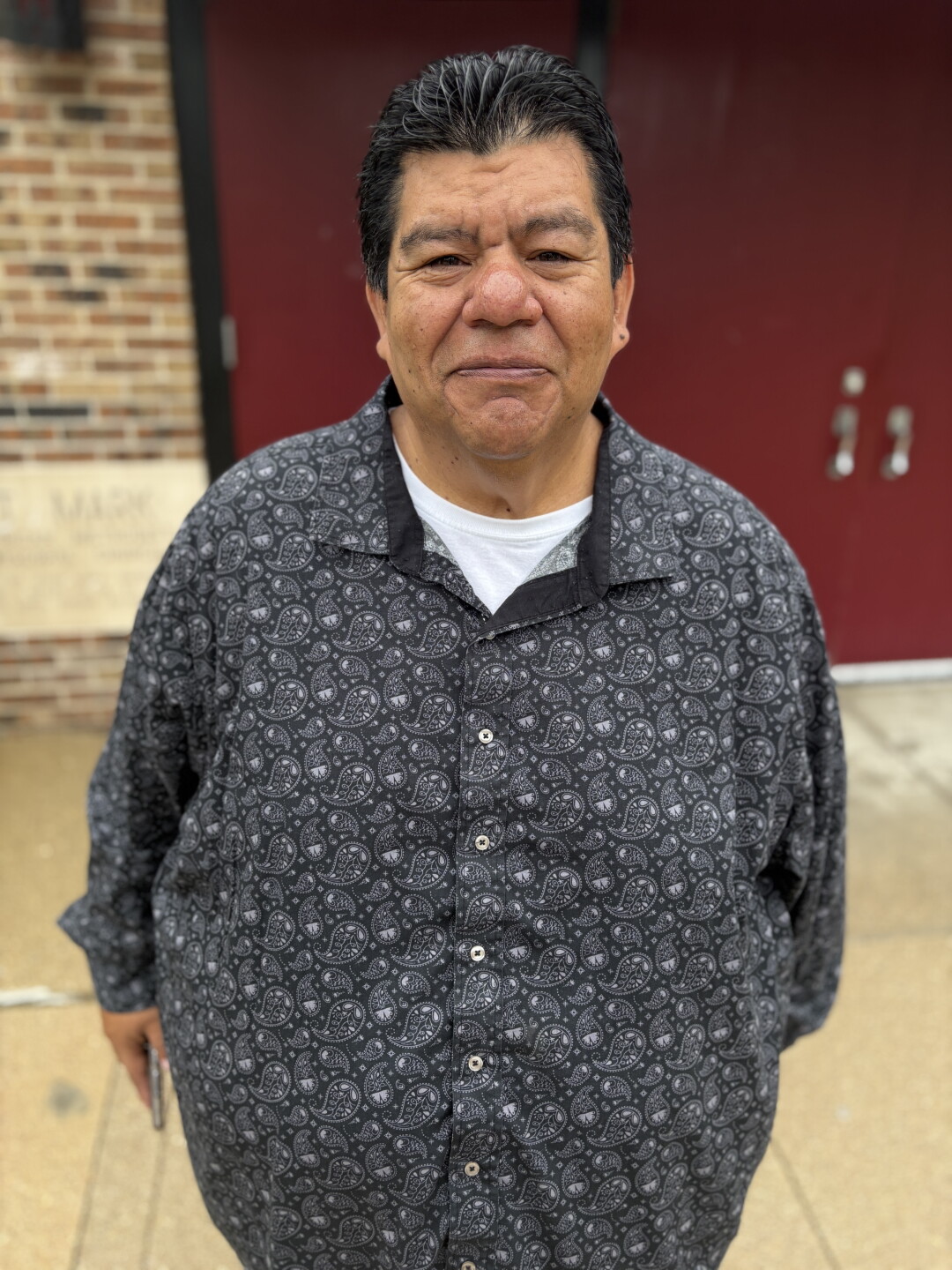
Marty Calderon, a leader with Team Unified and Milwaukee Promise Keepers, is among the community violence-intervention workers already operating in Milwaukee neighborhoods.
Promise Keepers uses trusted community members to engage residents in areas with high levels of shootings, connect people with resources, and provide support following traumatic incidents. The city's description of the program includes neighborhood canvassing, healing efforts, cleanups and community events.
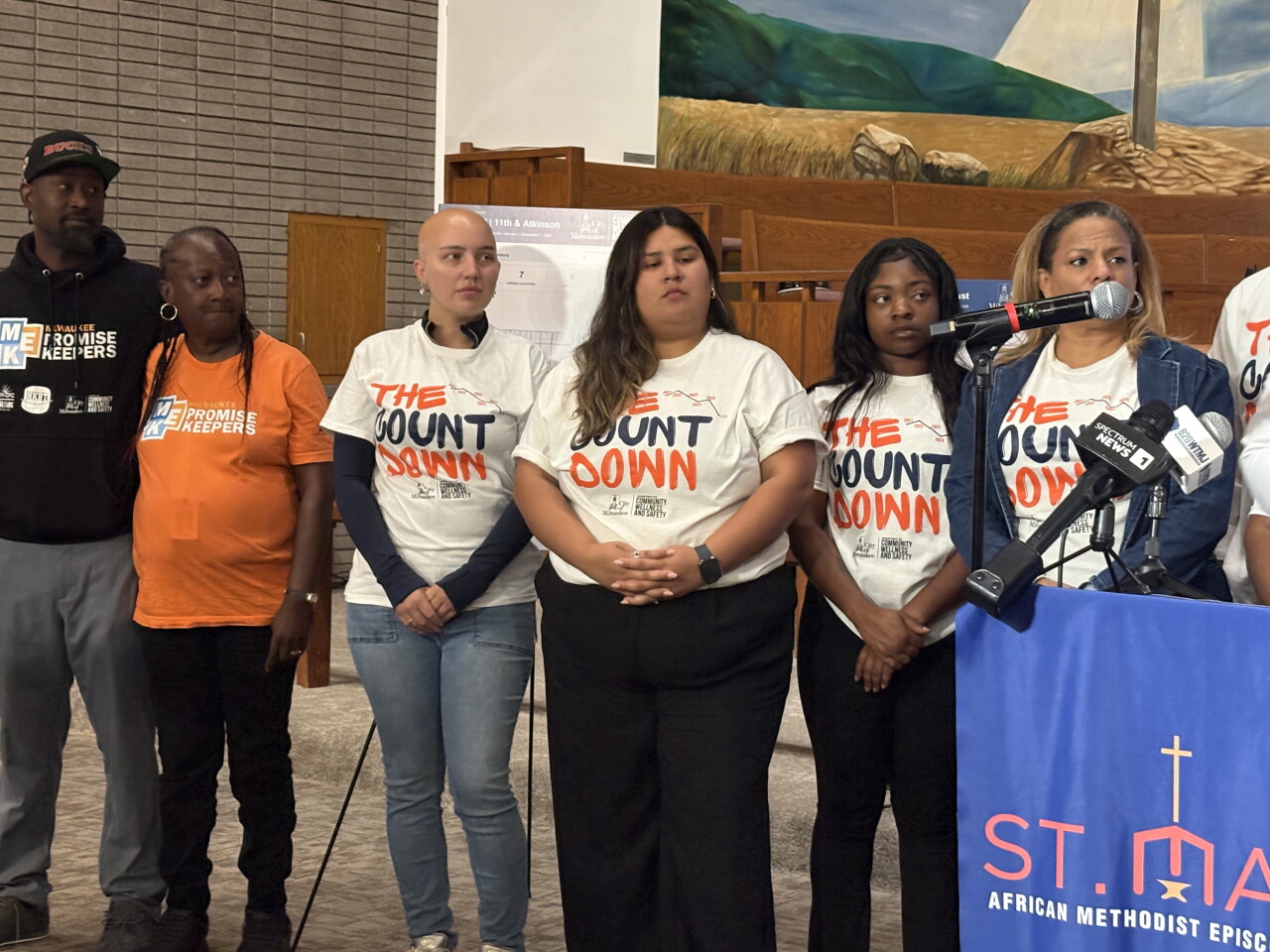
Calderon's Team Unified focuses its work on Milwaukee's south side and has also worked to mediate disputes and build relationships between residents and law enforcement.
Calderon said residents who have not seen that outreach yet should know the effort is intended to reach them.
“We're coming, you know. If we didn't get in your area yet, we're going to be coming... just be patient because we're on our way," Calderon said. "We're going to do our best to get to where we need to get to help bring our city back in order.”
Progress does not mean the violence has stopped
The city's declining homicide and shooting numbers come during a period in which Milwaukee is still experiencing serious and sometimes highly visible violence.
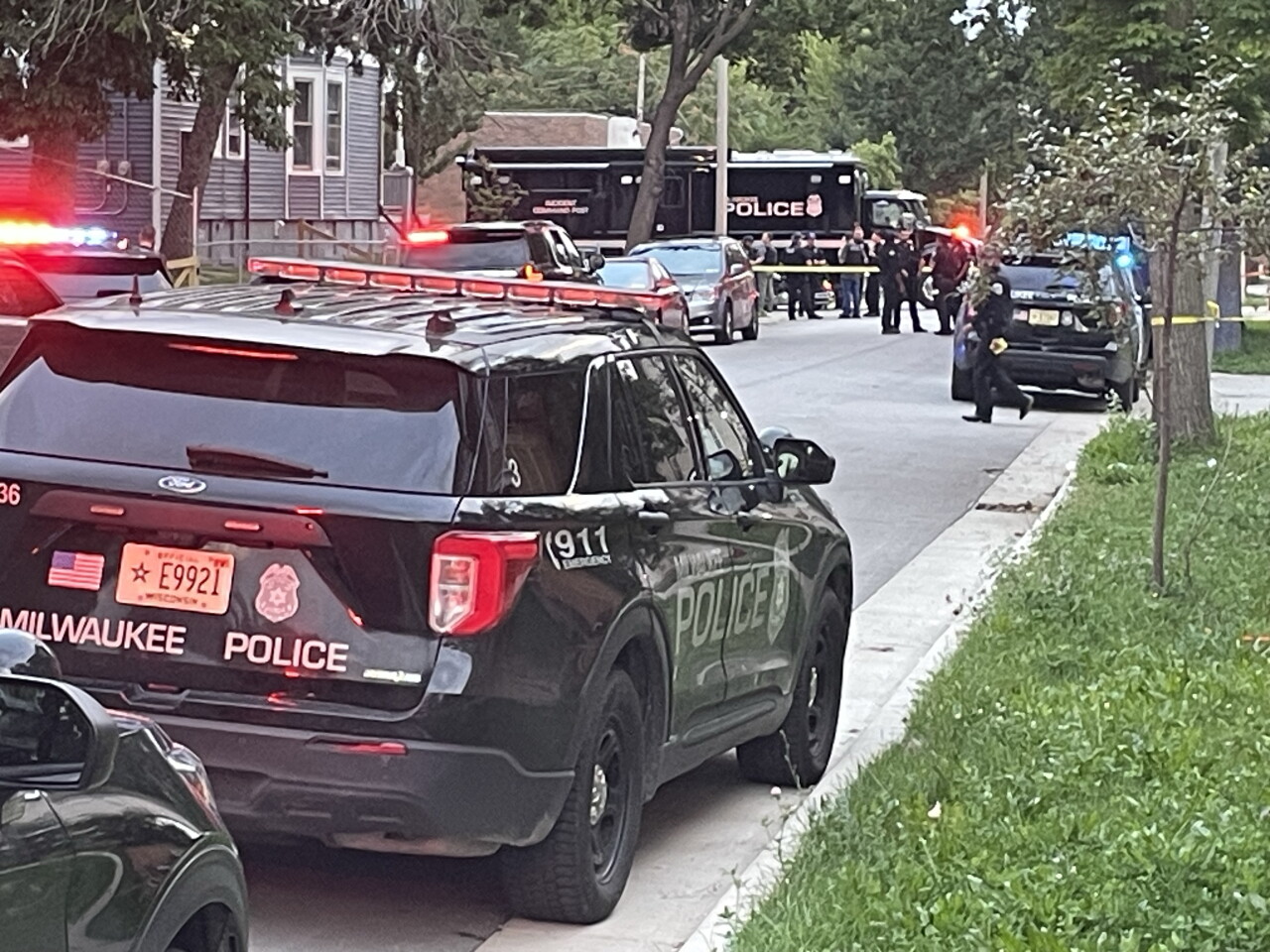
On Sept. 8, Milwaukee police said an officer and 23-year-old Printis Smith exchanged gunfire following a vehicle pursuit near 37th and Wright. Smith was killed, and the officer was shot in the leg. The Wauwatosa Police Department is leading the outside investigation. Smith's family has since questioned the police account of what happened.
On Sept. 13, authorities responded to another fatal shooting on National Avenue. The following day, Milwaukee police reported an 18-year-old and a 38-year-old were wounded in separate shootings.
Those incidents underscore the point city leaders repeatedly made Tuesday: a percentage can be moving in the right direction while individual families and blocks are still experiencing devastating violence.
Phifer said another challenge is reaching residents who have become discouraged after years of dealing with those conditions.
“What I'm seeing on the ground that these numbers don't show is that there is a feeling of resignation amongst certain elements of the population where folks don't feel seen,” Phifer said. “We can talk about numbers all day long, but how many people are we actually connecting with and sending that message to?”
What happens next
The city plans to select two clusters each week, assess conditions in those areas and coordinate partners around specific needs.
Officials said they will meet weekly, conduct community walks and track what organizations provide in each area. The effort is scheduled to continue through Dec. 31, when leaders plan to review the results and determine what should continue or change going into 2027.
One benchmark is particularly clear: Milwaukee has recorded triple-digit homicides every year since 2020, and officials say the city now has an opportunity to finish 2026 below 100.
But leaders say success will also be measured beyond the homicide count, including how many residents are connected to services, how many neighborhood concerns are addressed, and whether the city creates stronger relationships between organizations that continue after the countdown ends.
For Gallmon, the larger question is whether people move from seeing violence as someone else's problem to recognizing a role they can play themselves.
“Oh, somebody ought to do something. Here is something I can do," Gallmon said. "I think it's powerful. That's the stuff that builds communities and transforms cities.”
How to help
Organizations and residents interested in learning more about Milwaukee's violence-prevention work can contact the City of Milwaukee Department of Community Wellness and Safety at 414-286-5468. The department is located at 1730 S. 13th St. and is led by Director Karin Tyler.
For more information, visit their website.
This story was reported on-air by a journalist and has been converted to this platform with the assistance of AI. Our editorial team verifies all reporting on all platforms for fairness and accuracy.
It’s about time to watch on your time. Stream local news and weather 24/7 by searching for “TMJ4” on your device.
Available for download on Roku, Apple TV, Amazon Fire TV, and more.

