

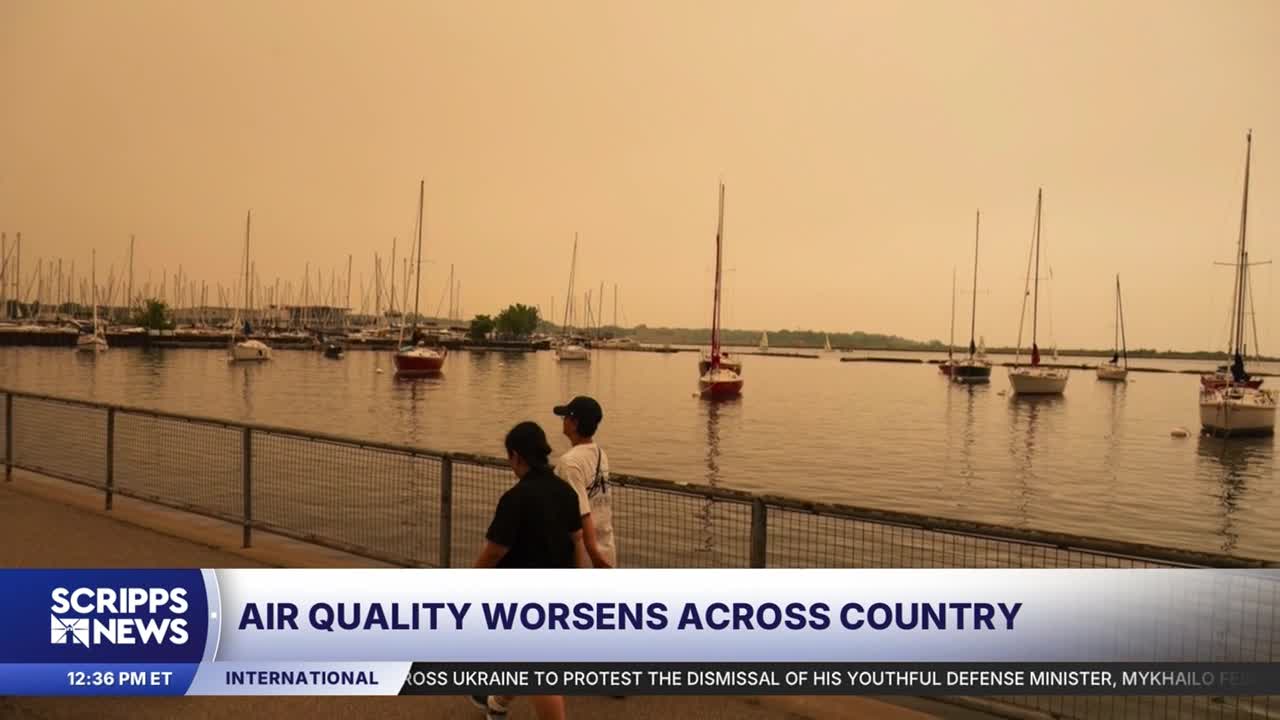


MILWAUKEE — Milwaukee is experiencing its worst air quality on record, with a recent AQI reading of 566, nearly double the previous record set in 2023, driven by smoke from wildfires in Minnesota and Ontario, according to Chief Meteorologist Brian Niznansky.
RELATED: LIVE BLOG: What’s canceled, postponed and available resources as wildfire smoke impacts Wisconsin
The reading falls in the hazardous category, which is the most severe category and puts those in sensitive groups at particular risk. The air quality alert issued by the Wisconsin Department of Natural Resources (DNR), which was originally set to expire at noon Thursday, has been extended until noon Friday.
WATCH: Canadian wildfire smoke brings hazardous air to the US Midwest
This comes as thousands of visitors were told to evacuate a remote Minnesota wilderness area accessible only by boat as wildfires send dangerously heavy smoke over the U.S. Midwest and Northeast this week, leaving the region with some of the worst air quality in the world.
Nearly a dozen Wisconsin DNR staffers also have been deployed to Minnesota to help with wildfire suppression efforts as more than 100 wildfires continue to burn across Canada and smoke from the fires is being pushed southeast by shifting winds.
How breathing in wildfire smoke can affect your health

Staying indoors is recommended for those most affected by poor air quality. Even highly active residents are urged to scale back outdoor activity, as the particles from wildfire smoke can cause a variety of symptoms, from mild eye and throat irritation to more severe heart and lung concerns.
WATCH: Air quality advisory extended until noon on Friday
These particles are small enough to be inhaled deep into the lungs and enter the bloodstream, which can affect heart and lung function, according to DNR.
Who is especially at risk?

Groups most affected by the poor air quality are children, the elderly, pregnant women, and people who have heart or respiratory conditions. If you fall under one of these groups, you’re advised to limit outdoor activities and avoid heavy exertion.
Symptoms like coughing or shortness of breath are signs to take a break or go inside, away from the pollutants.
How to protect yourself
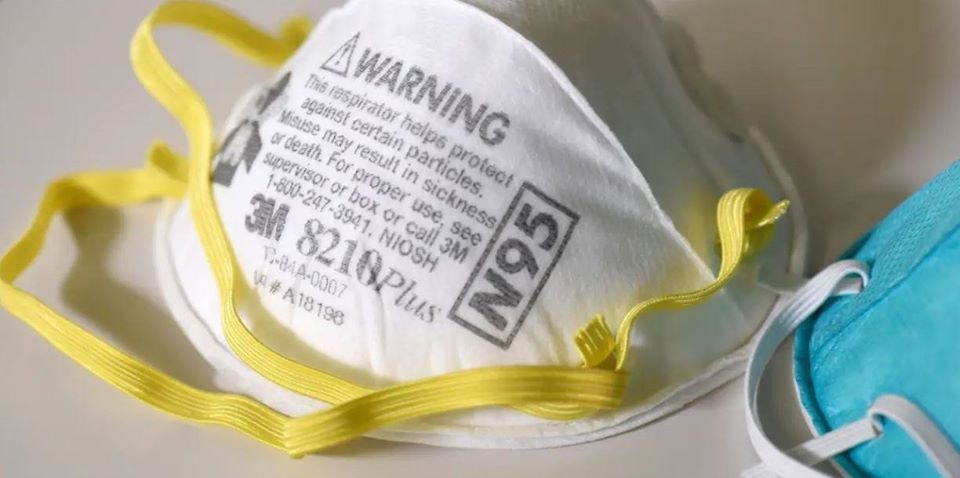
According to DNR, the best way to prevent breathing particles from wildfire smoke is to stay indoors.
- Close windows and doors.
- Run A/C on recirculate with a new high-efficiency filter.
- Keep indoor air clean by:
- Avoiding activities that increase indoor air pollution, such as vacuuming, burning candles, frying foods or using gas appliances.
- Reducing airborne dust by using a damp cloth to dust the home and trap the particles rather than a dry cloth or duster that might make them airborne again.
- Use an indoor air purifier.
- Cancel outdoor events or move them indoors, especially for children.
- Create a DIY temporary air filter.
If you must go outdoors during wildfire smoke events, be sure to:
- Check air quality conditions before leaving the house and throughout the day.
- Avoid or limit exercising outdoors.
- Wear an N-95 mask.
- OSHA has a comprehensive website with safety tips and resources to help employers and workers reduce their exposure to smoke during wildfires.
- The National Institute for Occupational Safety and Health offers resources for outdoor workers exposed to wildfire smoke.
For more information and resources on wildfire smoke, visit the EPA's Smoke-Ready toolbox page.
It’s about time to watch on your time. Stream local news and weather 24/7 by searching for “TMJ4” on your device.
Available for download on Roku, Apple TV, Amazon Fire TV, and more.

