

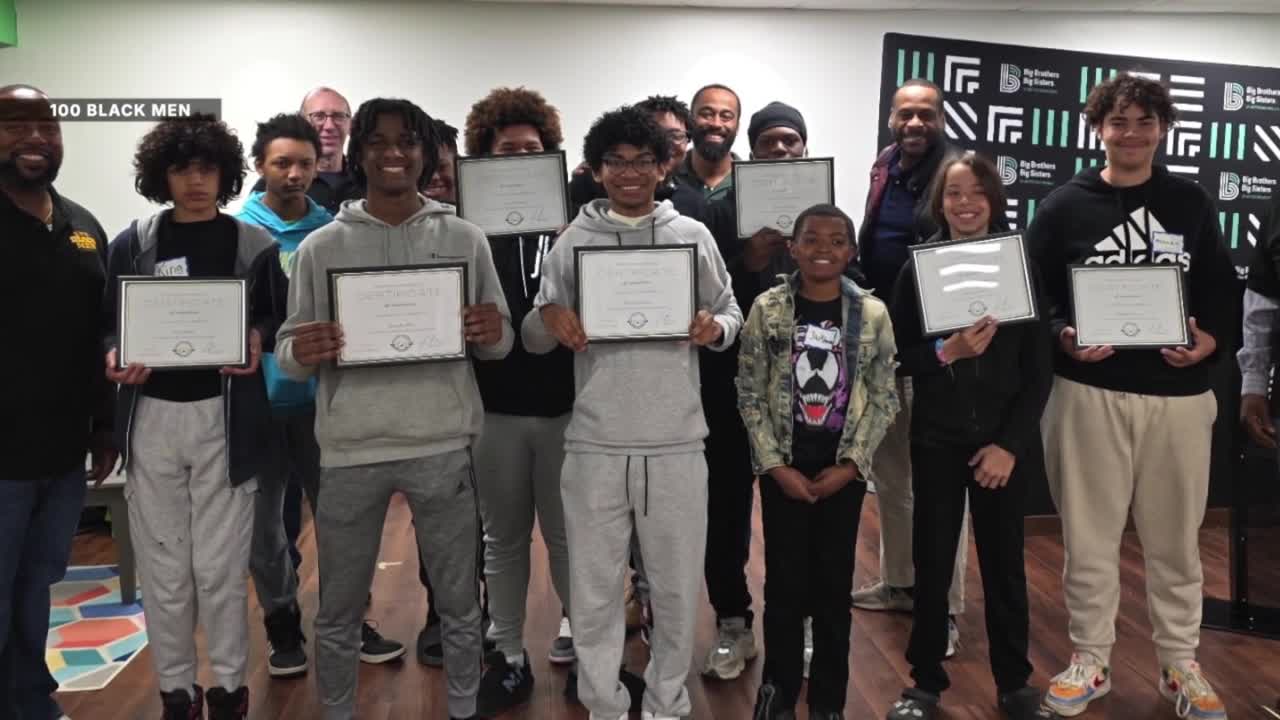


MILWAUKEE — A growing number of young people in Milwaukee are looking for mentors, but local organizations say there are not enough volunteers to meet the demand.
Leaders with 100 Black Men of Milwaukee and Big Brothers Big Sisters of Metro Milwaukee say mentoring does not require someone to have all the answers. Sometimes, they say, making a difference starts with something much simpler: consistently showing up.
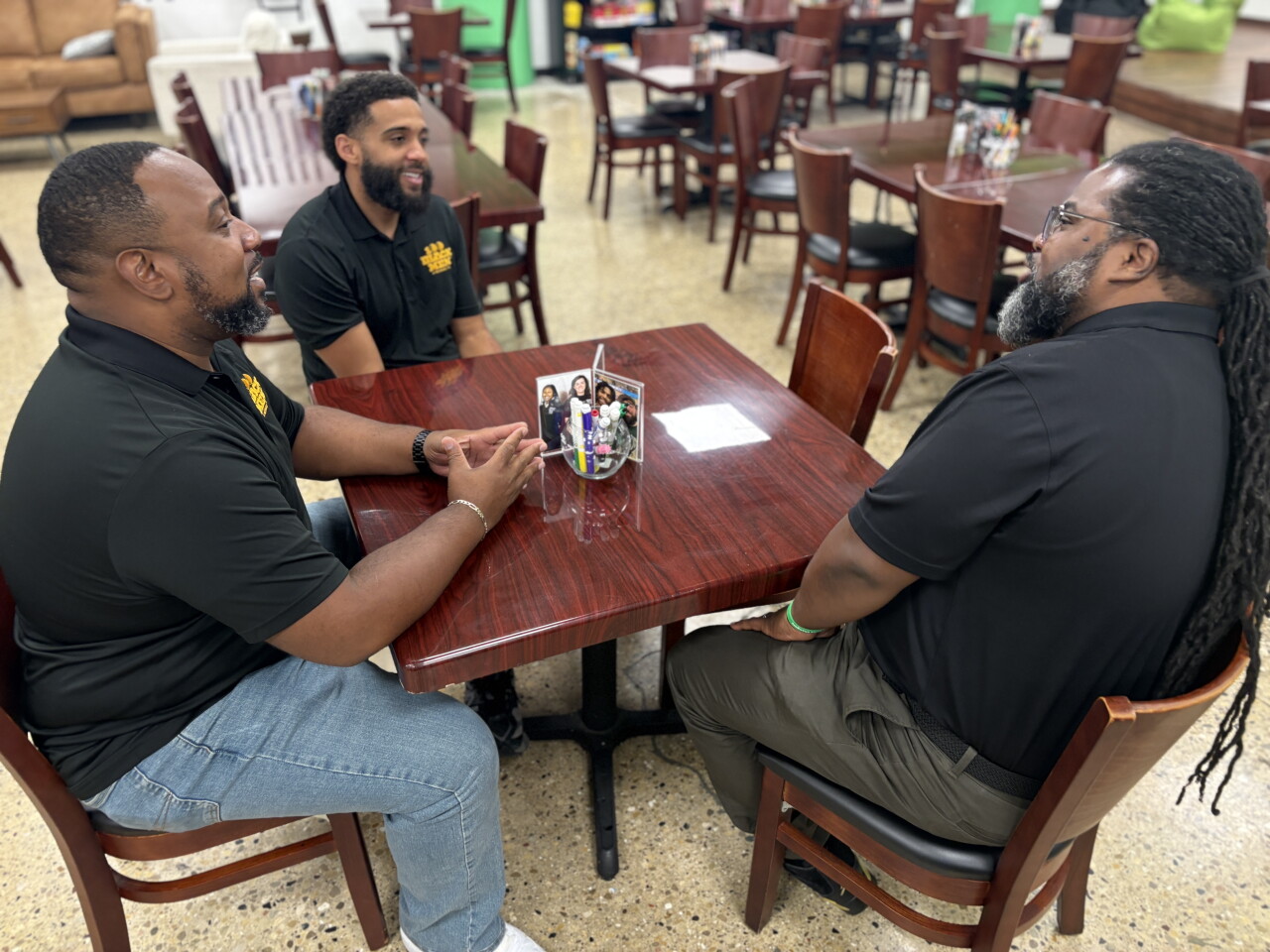
“Two to six hours of consistent presence changes the trajectory of a child,” said Joseph Addison, president of 100 Black Men of Milwaukee.
For Addison, mentoring is personal. Long before he was leading the Milwaukee chapter, he was a mentee himself growing up in Pensacola, Florida.
“I was actually a mentee of the 100 Black Men of Pensacola, Florida,” Addison said. “Growing up, I used to go to the Saturday academies kicking and screaming.”
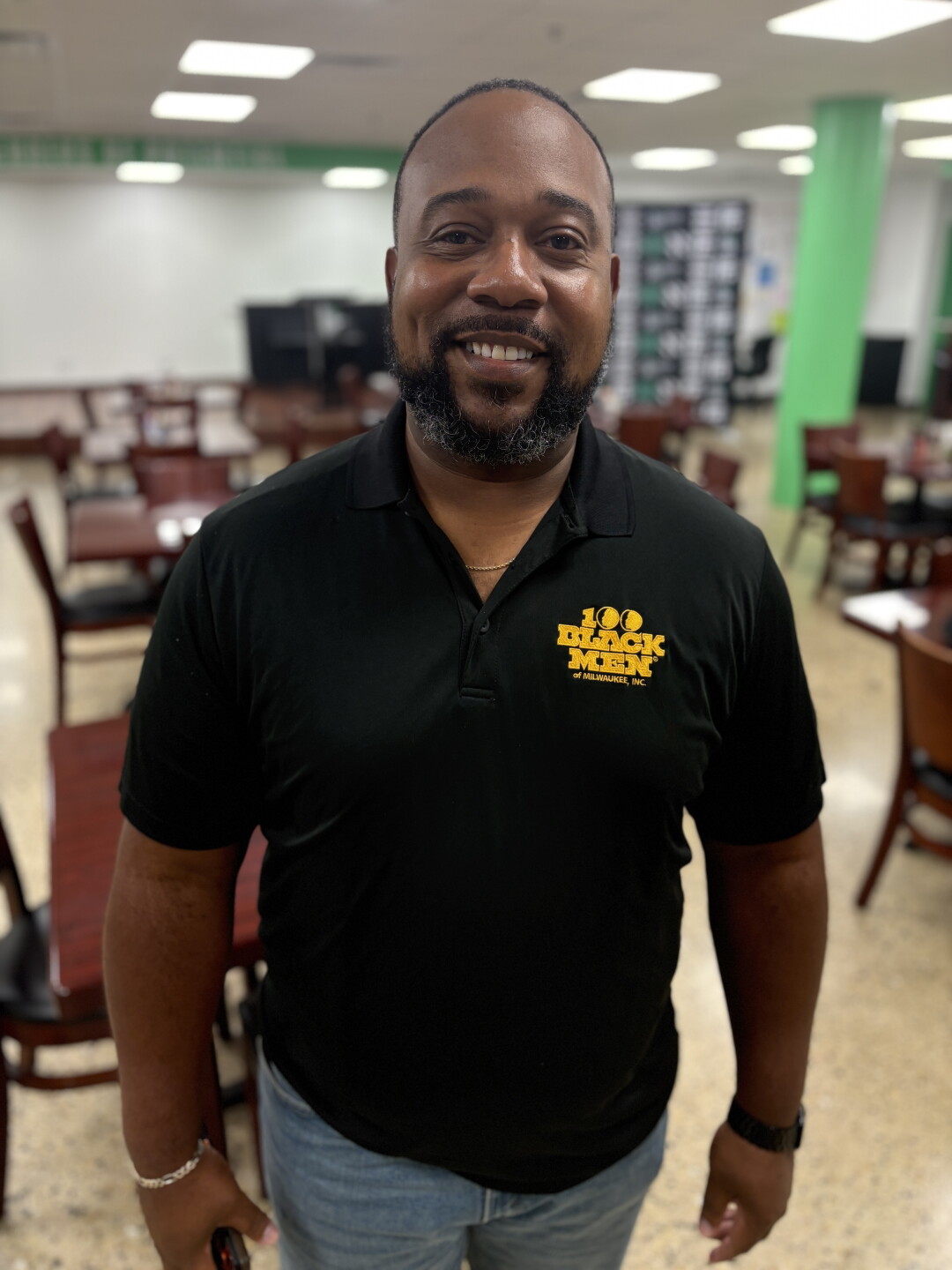
Addison remembers not always appreciating those Saturday mornings as a child. Years later, he said he better understands what the adults around him were trying to provide.
“You keep hearing ‘these kids today, these kids today.’ I hate that term,” Addison said. “Your grandparents, your aunts and uncles said the same thing about you.”
Instead of simply criticizing young people or blaming their surroundings, Addison said adults have an opportunity to become part of the environment influencing them.
“Sometimes that inner circle, those mentors in that community can tell you, ‘Hey, you're better than this,’” Addison said. “That's something that really brought me back to the 100 Black Men — instead of saying these kids today are just a product of their environment, what can I do to give back to change that circle?”
Watch the Full Story Below
Demand is outpacing volunteers
Addison said the Milwaukee chapter is run by volunteers who also have full-time jobs. That can mean using vacation time from work to mentor young people and participate in programs.
“We take vacations from our jobs to come and do this,” Addison said.
The organization holds its Rising Leaders Academy on the second Saturday of each month and also works with young people through mentoring, career exploration and economic empowerment programs.
But Addison said the demand is now greater than the organization's current volunteer capacity.
“We have schools coming to us asking, ‘Can you come in and do a group mentoring session?’” Addison said. “Our ratio is five to one. We're saying no because honestly, we only have so many vacation hours on our jobs.”
Addison said having to turn down requests is one of the reasons the organization is making a stronger appeal for additional male mentors.
“The need is so great,” Addison said. “From the youth to the schools, they know they need that partnership. They just need people to stand up.”
The impact of someone choosing to show up
Anthony Thomas, recruitment and outreach coordinator for Big Brothers Big Sisters of Metro Milwaukee, understands the impact from both sides.
Thomas grew up on Milwaukee's North Side and remembers adults who exposed him to different ways of living and thinking. He said mentorship does not always come through a formal lesson or a long conversation. Sometimes the lessons that stick are the small ones.
Thomas described adults teaching him things as simple as how to safely cross a street, look out for his younger brother and take care of his mother. Those moments may not have seemed significant at the time, but he said they became building blocks he carried into adulthood.
“You just planted a seed,” Thomas said. “It seems small, but it's building blocks for a young kid's life.”
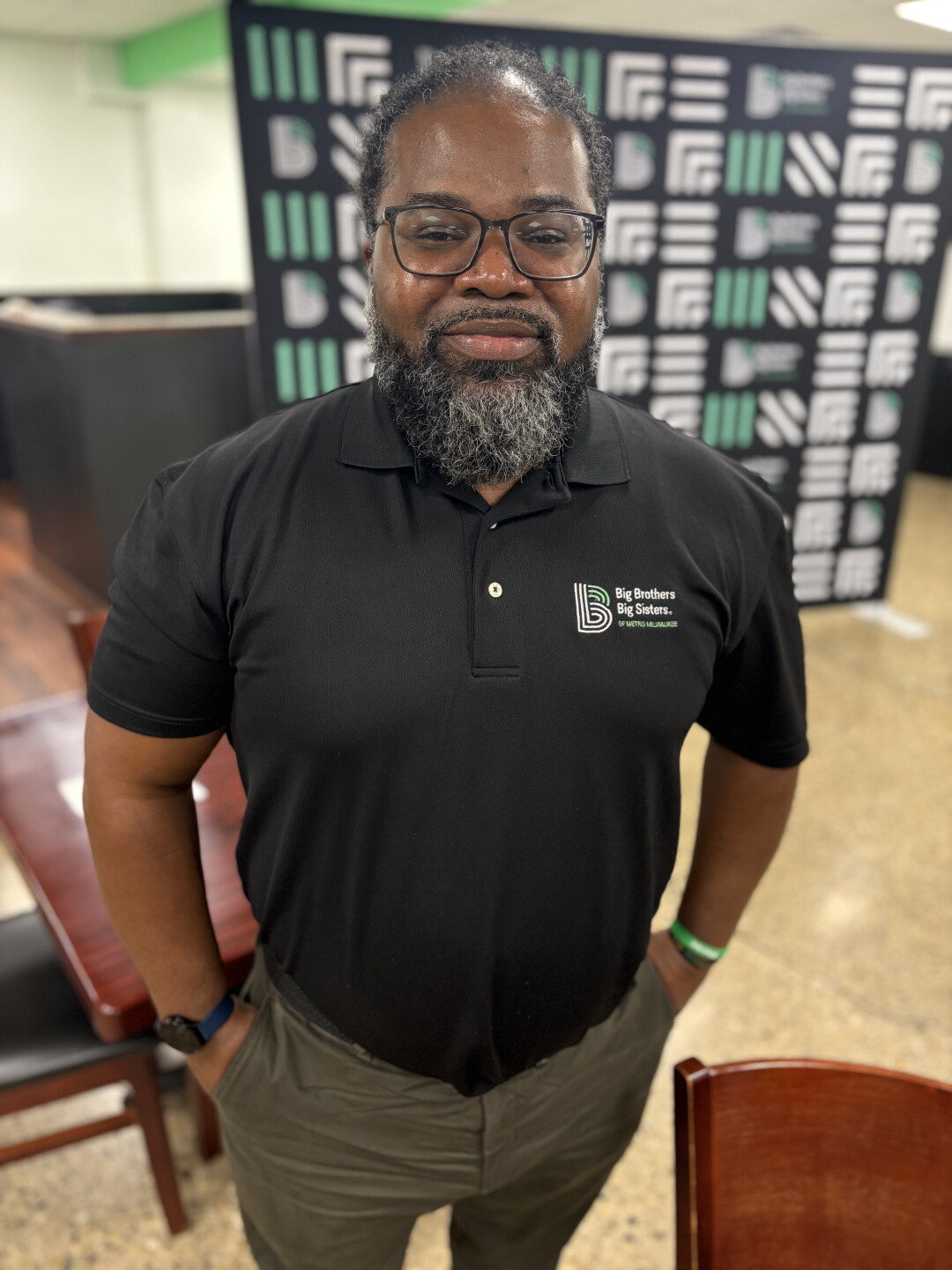
Now Thomas helps connect other young people with mentors.
He said one of the most meaningful moments can come when a child realizes the adult spending time with them is not being paid to do it.
“The kid looks at it like, ‘They really want to be a part of my life,’” Thomas said.
That realization, Thomas said, can change the way a young person views the relationship — and potentially how they view their own responsibility to others later in life.
“I hope that once mentored, they become mentors themselves,” Thomas said.
You don't have to be a doctor, lawyer or expert
Both organizations are also trying to break down the idea that someone needs a certain job, income or status to be a good mentor.
Thomas said when he talks with potential volunteers, some assume organizations are looking only for professionals such as doctors, lawyers or police officers.
His response is much simpler.
“You're a good person. You believe that kids can be better. You're exactly what we're looking for,” Thomas said. “Go ahead and apply. You'd be surprised.”
Christopher Smitherman II, a member of 100 Black Men of Milwaukee, said young people are often surrounded by adults telling them what they are doing wrong when what they may need is someone willing to listen.
“In this world that's screaming at them, they want someone to really sit down, listen, understand them, relate to them and interact with them,” Smitherman said.
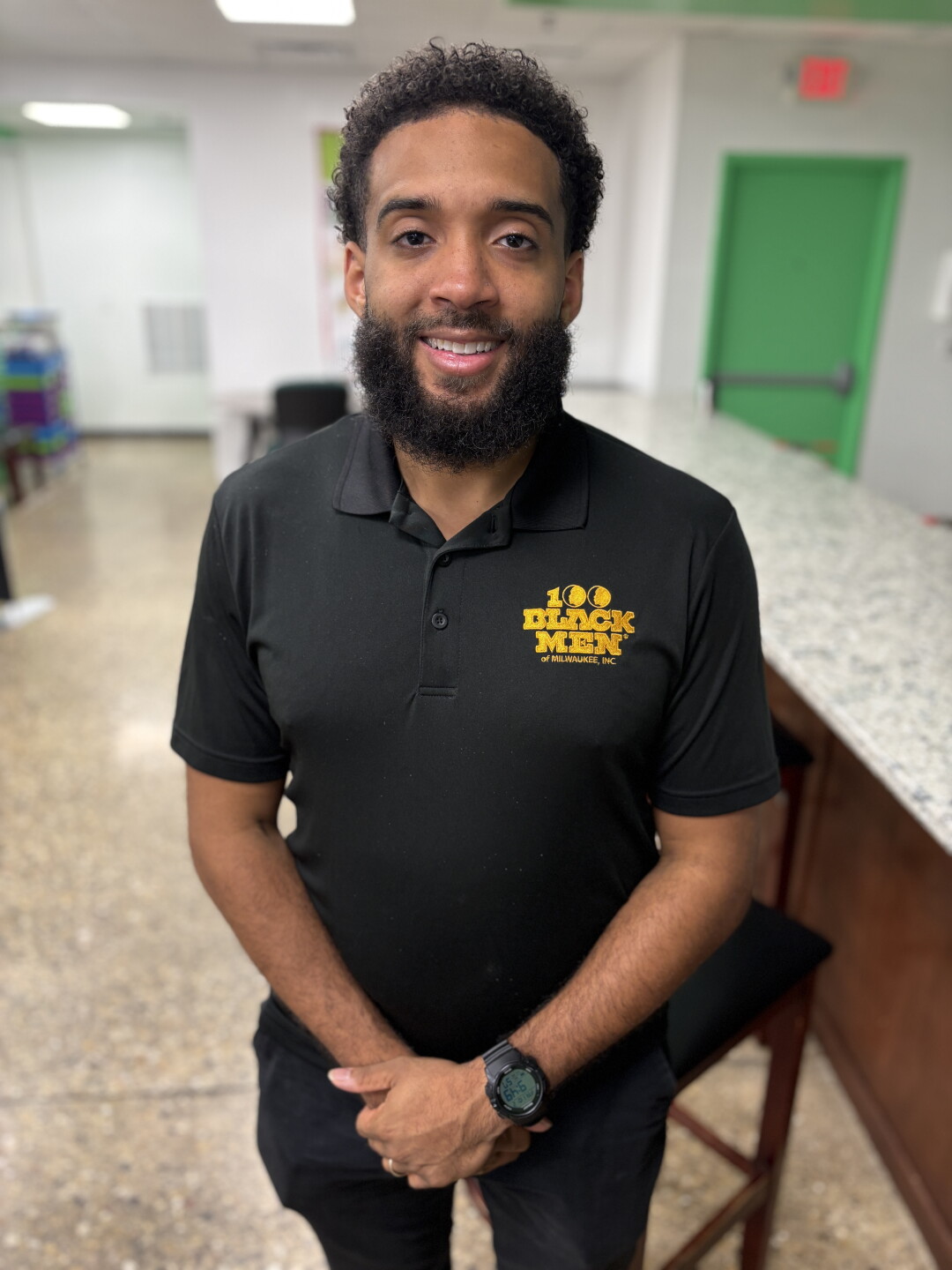
Smitherman recalled connecting with one young person simply because he was familiar with Jersey club music. He said taking an interest in something important to that young person helped create a connection.
“Just being there to listen, take interest, make a connection with that young man, it changed his life,” Smitherman said. “I think that's what the youth are looking for — meeting them where they are.”
For Smitherman, the solution does not require a small number of people taking on an enormous responsibility.
“It doesn't take one person doing everything,” Smitherman said. “It takes a lot of us doing a little bit. Many hands make light work.”
And the results, he said, may not be immediately visible.
“I'm passionate about pouring in because that's what it takes,” Smitherman said. “If you don't pour anything in, nothing's gonna happen. But it's that reward that when you see that little green stem come out of the ground, you know you're doing something.”
HOW TO HELP: Milwaukee organizations need mentors
100 Black Men of Milwaukee says volunteers can make an impact by consistently giving just a few hours of their time each month. The organization says prospective mentors go through background checks as part of its effort to protect the young people it serves.
Men interested in mentoring can learn more about 100 Black Men of Milwaukee www.Milwaukee100.org The organization can also be reached at Milwaukee100@gmail.com.
The message from the mentors already doing the work is simple: You don't have to solve every problem facing Milwaukee's young people. You can start by showing up for one of them.
As Addison put it, “Our youth are watching.”

