

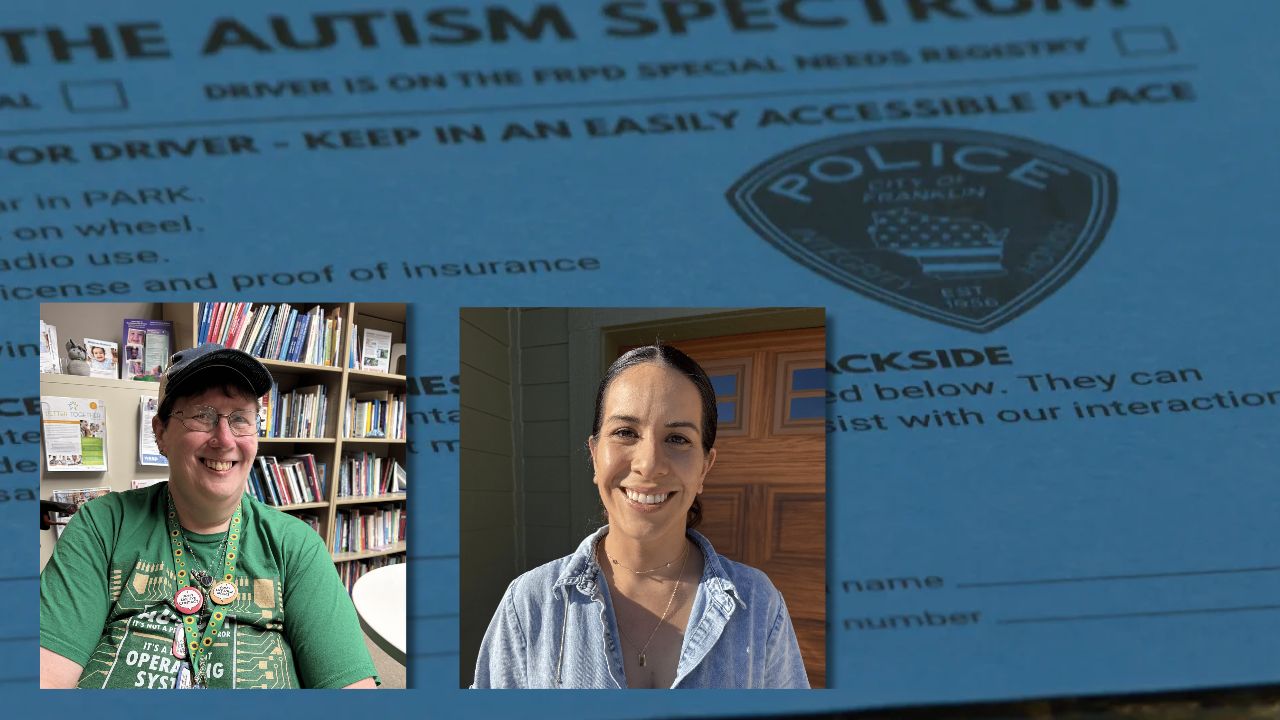


FRANKLIN, Wis. — The Franklin Police Department has started offering free blue cards to help officers and people with autism communicate smoothly and safely during interactions.
Watch the latest from Paris in the video player below:
The blue cards are free and available at the Franklin Police Department's front desk. When presented to an officer during an encounter or traffic stop, the card signals that a person has autism and includes guidance for both the officer and the individual on how to best interact. The blue card can be kept in a car with other documents like proof of insurance or carried on a person.
Meg Hurley, who is on the autism spectrum, said she sees value in the initiative.
"I do think the instructions are good," Hurley said. "Anticipate unusual eye contact and allow extra response time, that is another big thing for me because, especially when I am in a pressure situation, my processing speed slows down and I may be prone to completely shut down, become nonverbal."
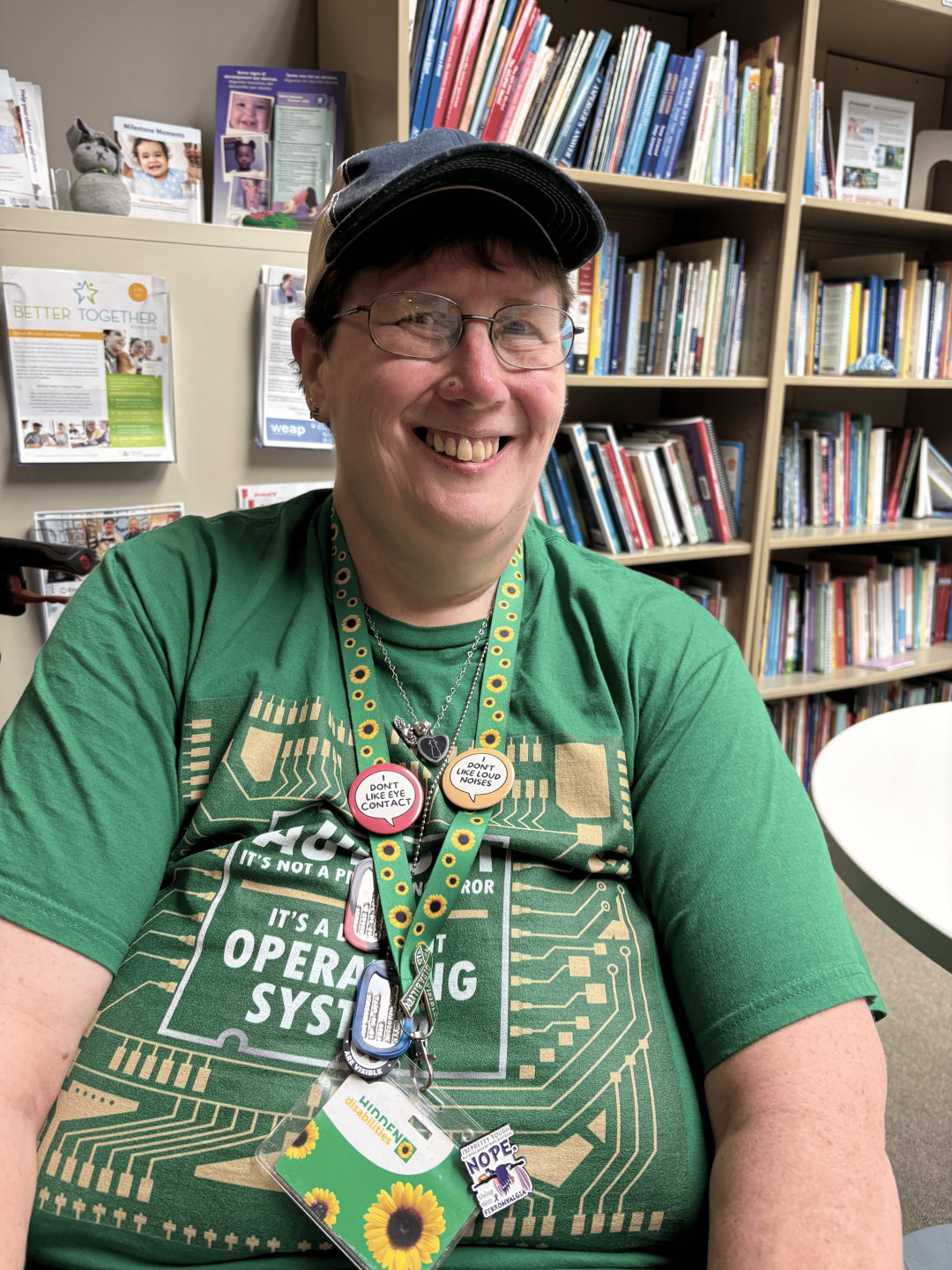
Hurley hopes the initiative helps officers think twice before reacting to behaviors that might initially seem unusual.
"If they start to see what they would normally consider unusual or suspicious behavior, hopefully their training because of these [cards] would cause them to stop and think, 'okay, is this somebody who is autistic or neurodivergent and they're not actually behaving suspiciously? Do I need to switch gears with the way I am interacting with this person and handle the situation differently?'" Hurley said.
Officer Gary Wallace is a community resource officer for the Franklin Police Department and leads the initiative. He said an initiative like this would have been useful to him during his early career.
"In one instance, they were completely nonverbal and as a young officer who hadn't gone through any kind of training regarding crisis intervention or anything like that, I didn't know what I was seeing. I didn't know why this person wasn't talking to me," Wallace said. "This [card] would have been extremely beneficial had they had something like this with them."
Wallace said the cards are available to anyone who might find them useful, including people who live outside Franklin or have another form of neurodivergence.
"If there is a way that someone thinks it will be useful to them, it will be useful to us," Wallace said. "This is enhancing a partnership. This is enhancing how we work together."
Ashley Brooks has two children with autism.
"We worry about what their future will look like as teenagers and as adults, and when you are not going to be able to be there to explain their needs. Something like this [card] is really a good tool families can use to help their children be independent in our community," Brooks said.
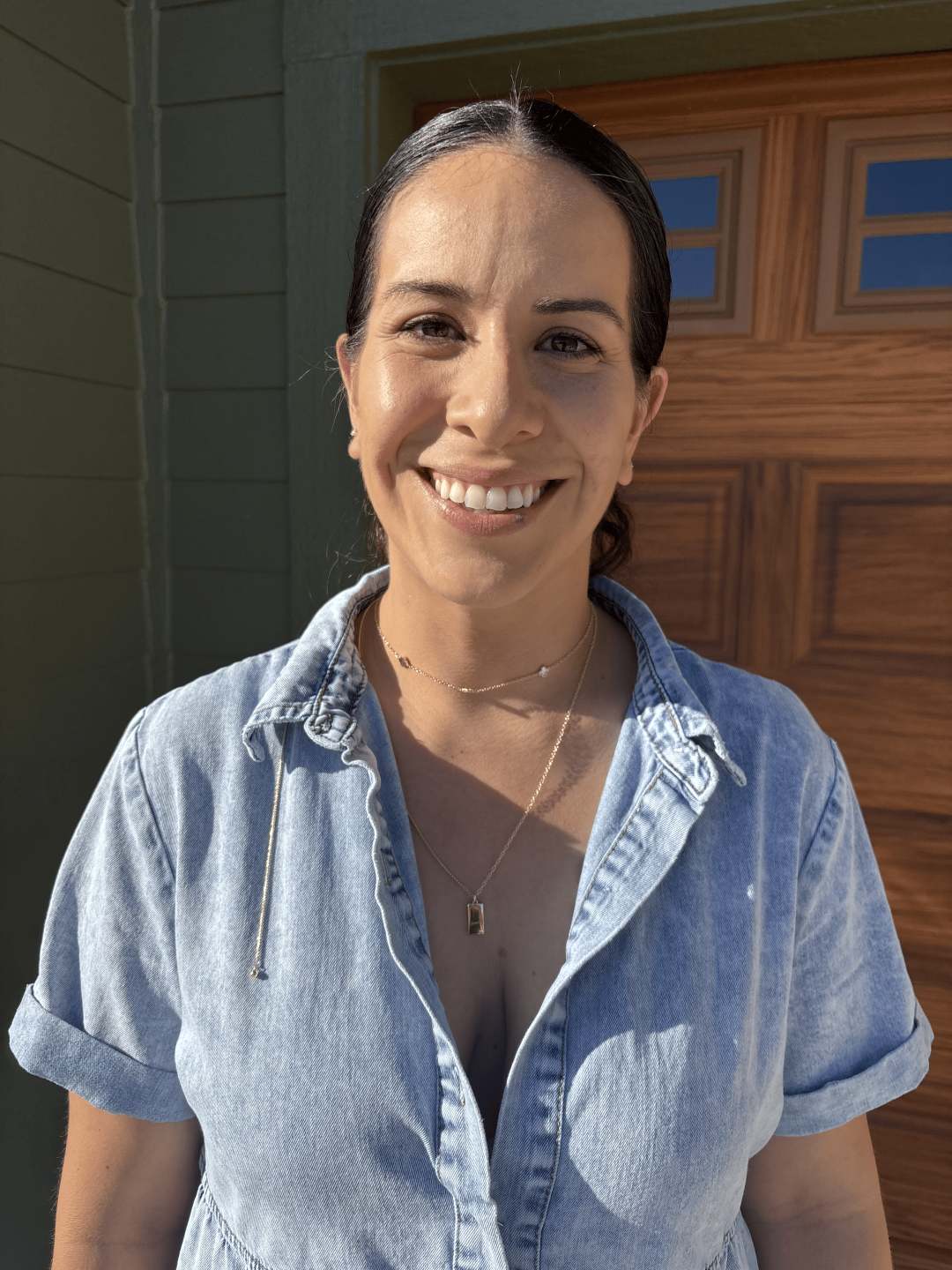
Hurley said she would use the card but wants to see the initiative expand beyond Franklin.
"If officers and other first responders don't know what this means, then it doesn't help. So we need something that is much wider spread," Hurley said.
Wallace said Franklin officers are already prepared to be shown blue cards, and more cards are being printed.
———————
This story was reported on-air by a journalist and has been converted to this platform with the assistance of AI. Our editorial team verifies all reporting on all platforms for fairness and accuracy.
It’s about time to watch on your time. Stream local news and weather 24/7 by searching for “TMJ4” on your device.
Available for download on Roku, Apple TV, Amazon Fire TV, and more.

