

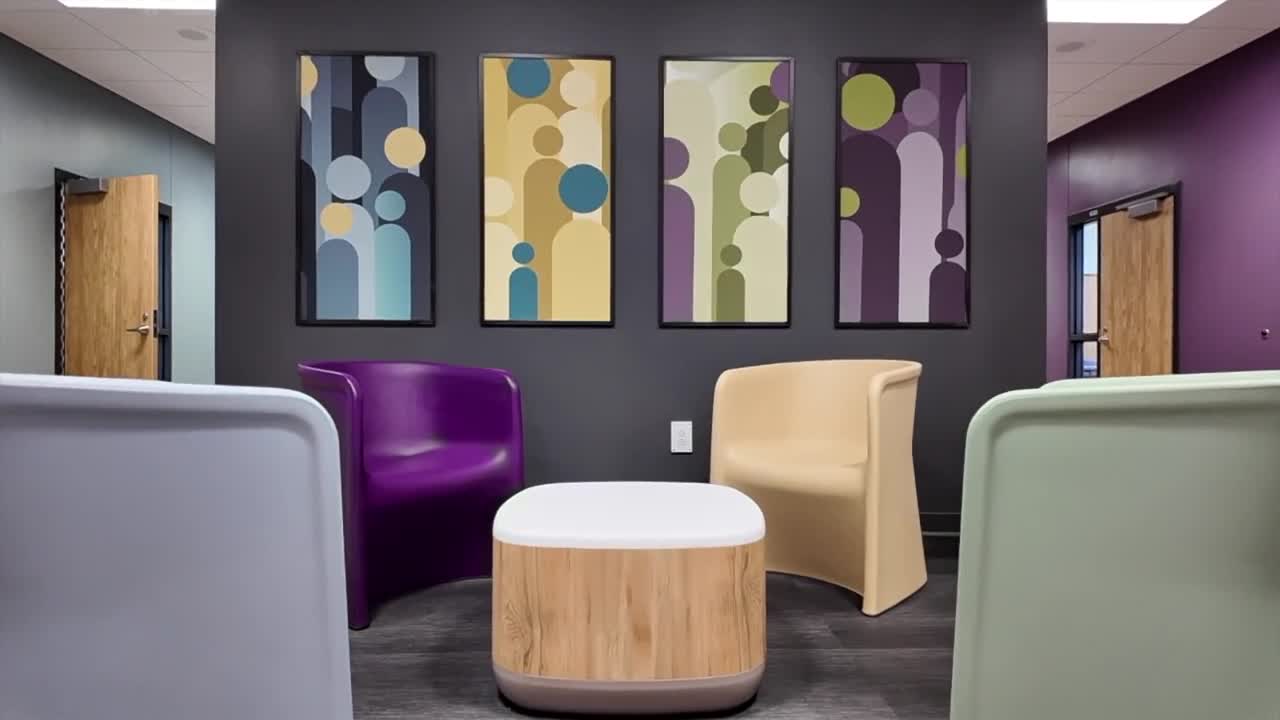


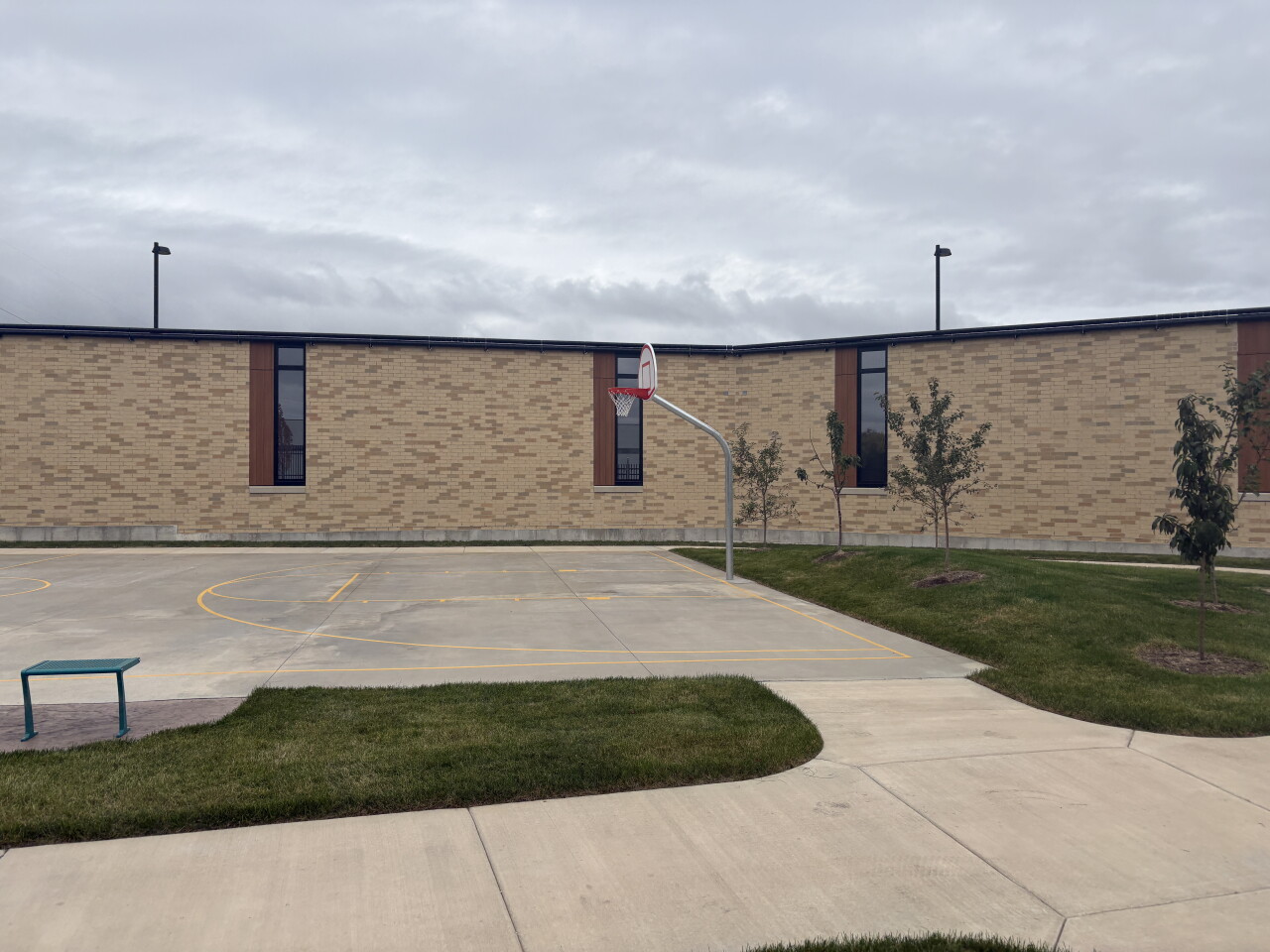
MILWAUKEE — A recording studio. A gymnasium. Classrooms. Spaces for counseling, job training and learning new skills.
Watch Gideon Verdin's report in the video player below:
It's not what many people would expect to find inside a youth correctional facility.
But at Milwaukee's new Southeast Regional Care Center for Youth, that's intentional.
Wisconsin is preparing to open a $65.6 million facility designed to change how the state works with young people in its juvenile justice system — moving away from large, isolated correctional institutions and toward smaller facilities focused on treatment, education, accountability and rehabilitation.
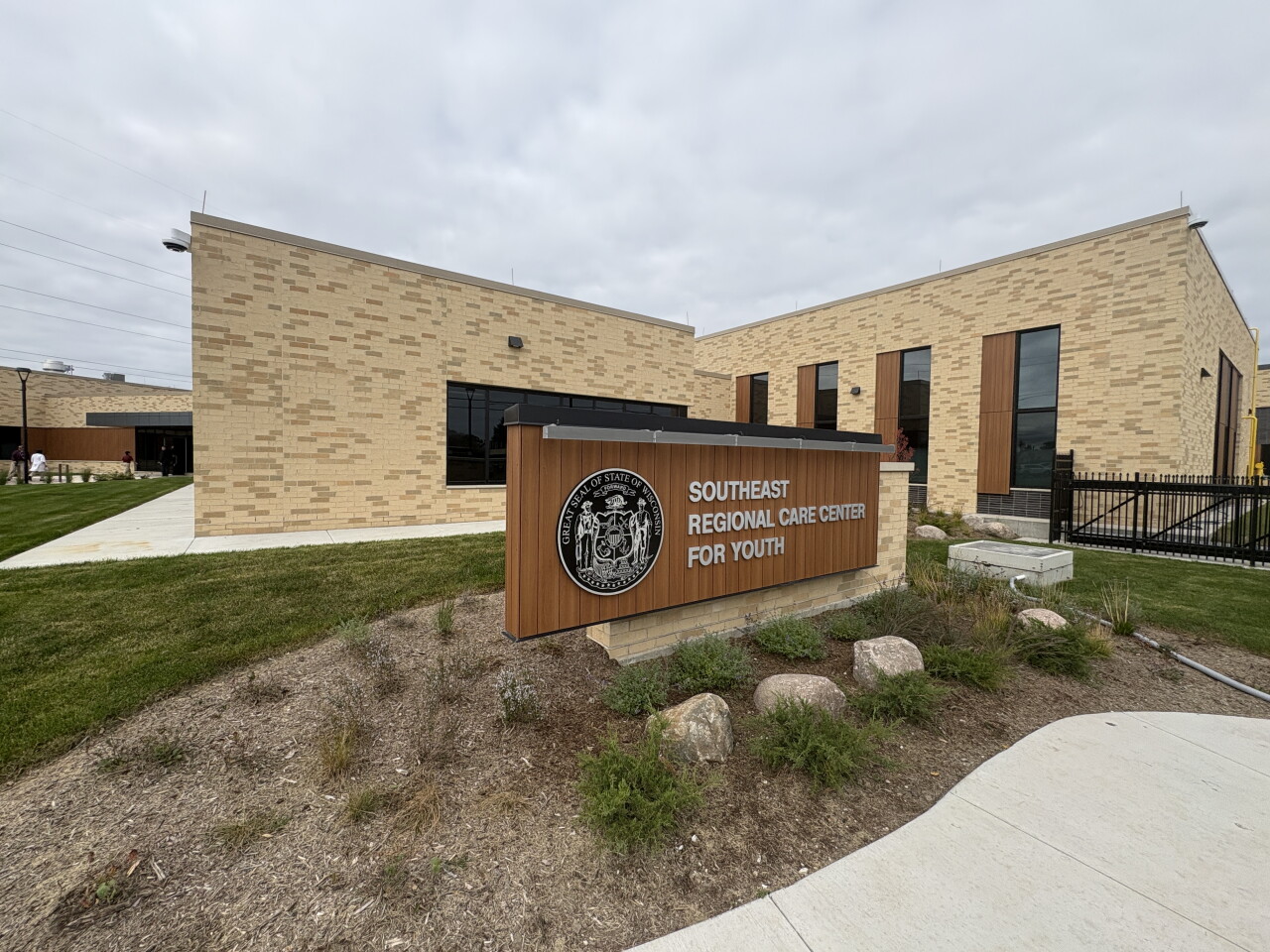
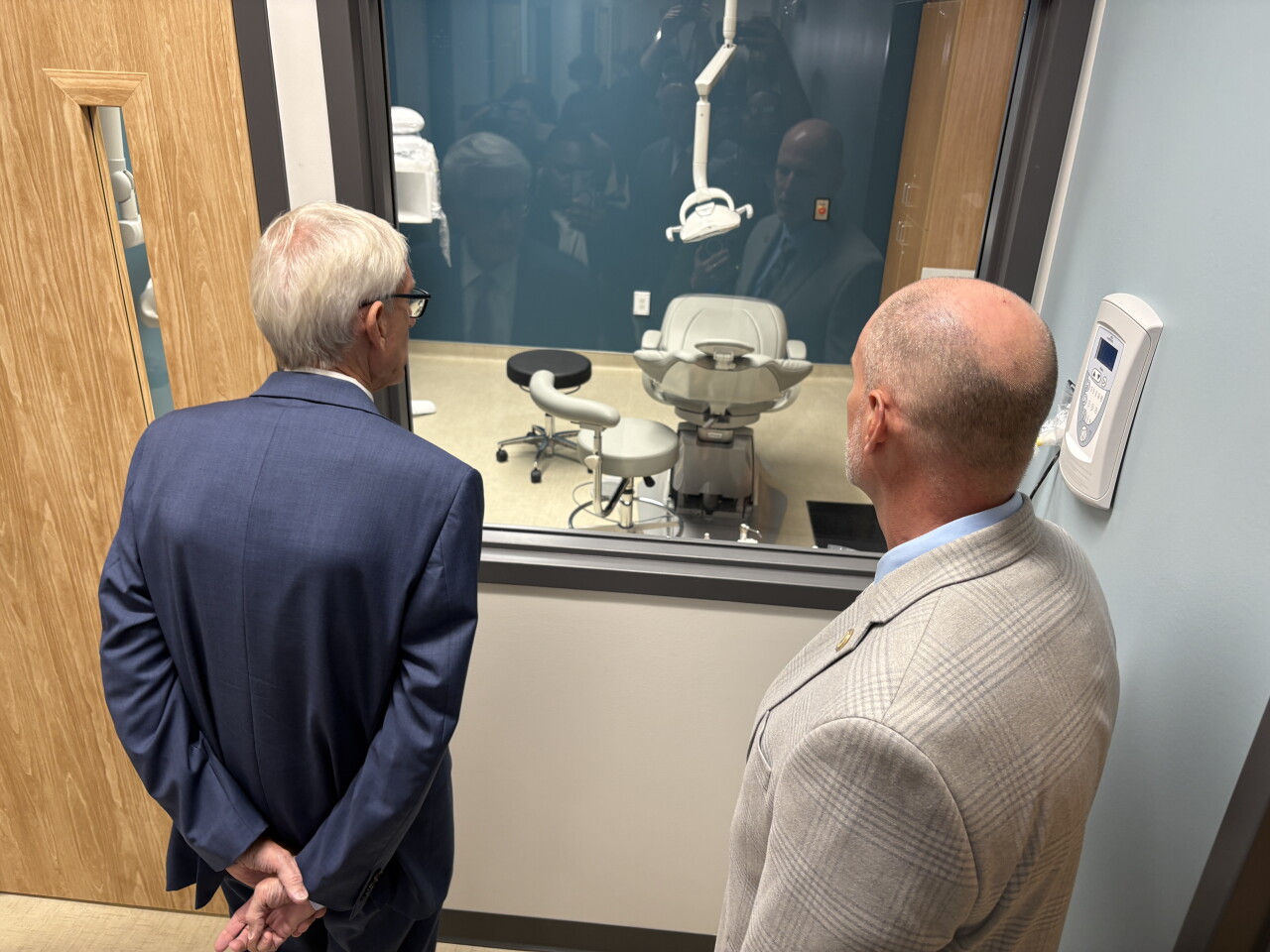
Gov. Tony Evers toured the new facility at 7930 W. Clinton Avenue on Wednesday, October 14, calling it an important step in an effort to transform Wisconsin's juvenile corrections system.
The center will eventually house up to 32 boys from southeastern Wisconsin. State officials expect the first group to arrive in early November.
But beyond the new building and its amenities, the people preparing to work inside may offer the clearest picture of what Wisconsin is trying to accomplish.
A 20-year-old counselor who understands what these young people are missing
For Maurice Newton Jr., this isn't simply a new job.
It's personal.
Newton is 20 years old, grew up on Milwaukee's north side near 36th and Brown streets and is the youngest staff member at the new facility.
He also knows what it's like to have a parent behind bars.
"My father is currently incarcerated and will be incarcerated for a while," Newton said.
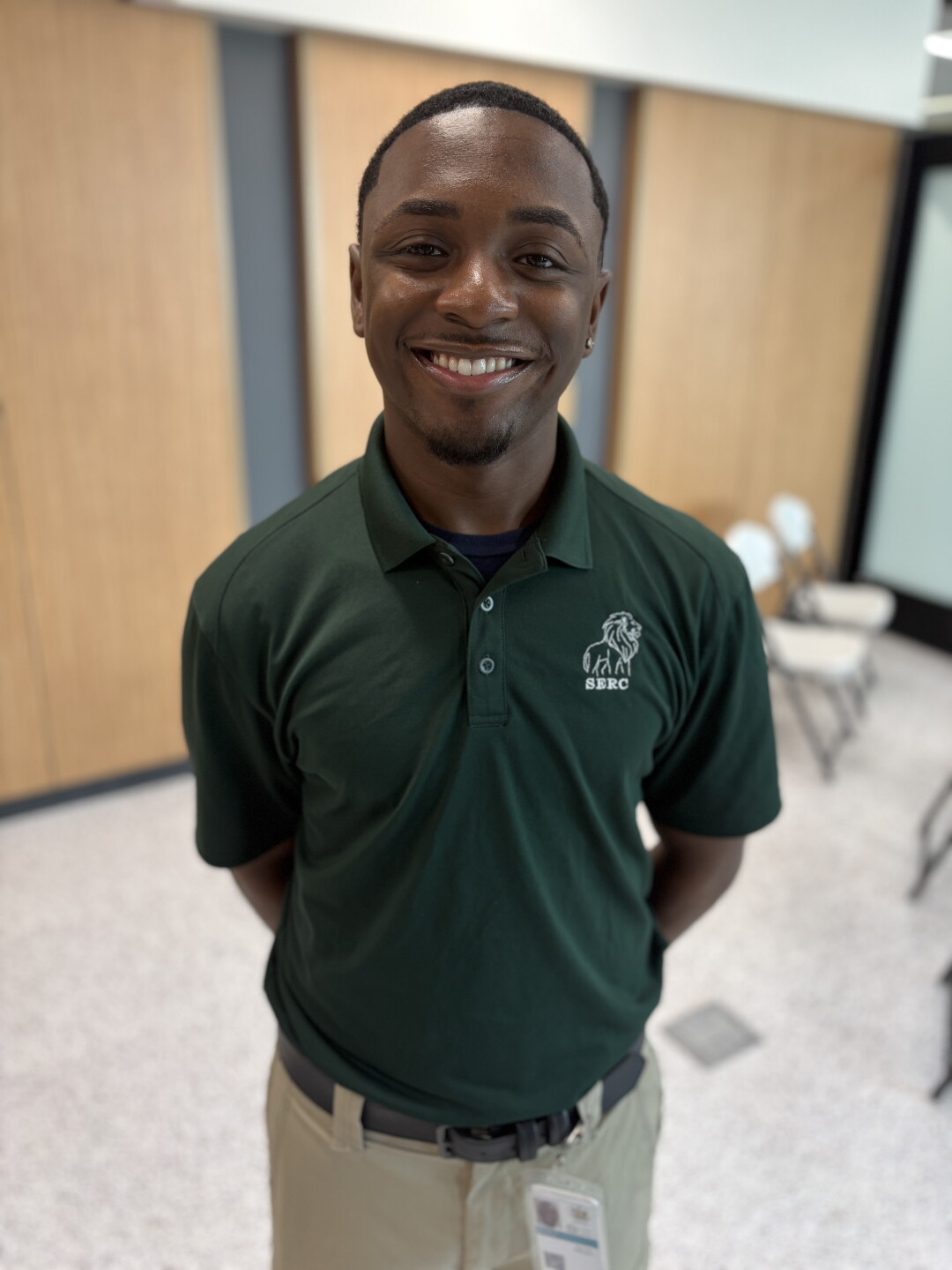
Raised by his mother alongside his sister, Newton remembers watching her work to provide for them. As he grew older, he began noticing what other children had that he didn't — a father at home to offer guidance.
He remembers missing everyday moments that some families take for granted.
"Not being able to have access to him, not being able to get the, oh, this is how your haircut should be, this is how you should dress, didn't have that," Newton said.
Rather than allowing that experience to define his future, Newton wants to use it to help young people facing similar challenges.
He applied to work at the new correctional facility as soon as he learned applications were available.
"I didn't think about, oh this is a prison, oh this is corrections, I don't wanna do this," Newton said. "I thought about the kids because this is a hard job."
Newton will work as a youth counselor advanced, providing supervision, guidance and support to boys who may be dealing with trauma, family instability and difficult decisions.
He doesn't claim to have all the answers. In fact, he admits he struggled with anger, fought in school and was suspended when he was younger.
Those experiences are part of what he hopes will allow him to connect with the boys.
"They don't have these father figures. They don't have these positive role models, and I wanna be that person for them," Newton said.
He believes being close in age to some of the residents, growing up in the same city and understanding their experiences may help him earn their trust.
When asked what he sees in young people whom others might only view as troublemakers, Newton's first answer was simple.
"Hope."
He wants the boys to understand that their mistakes do not have to determine the rest of their lives.
A Milwaukee therapist whose childhood shaped her calling
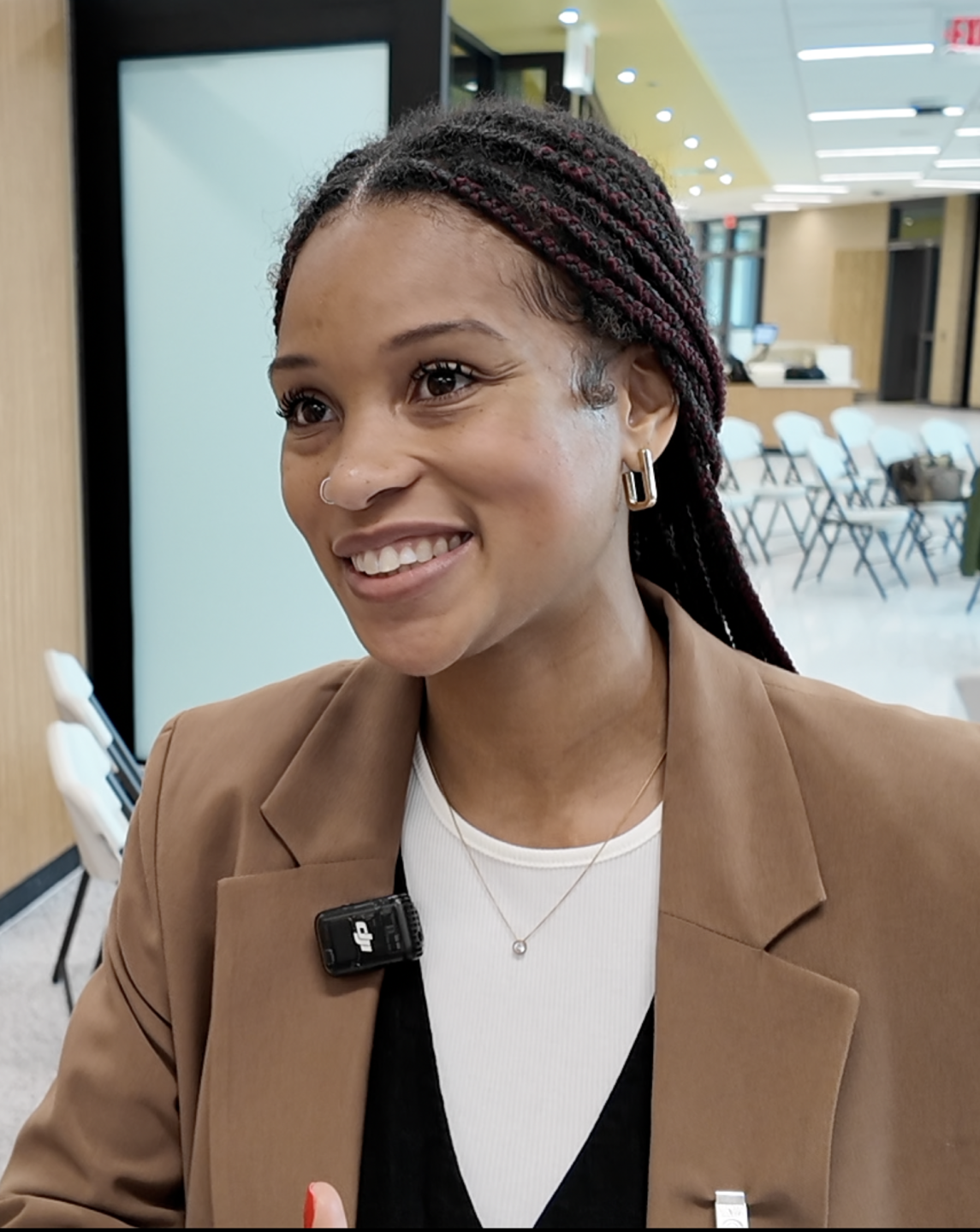
For Keana Burkhalter, a Milwaukee native, licensed professional counselor and former Milwaukee Public Schools teacher, the mission is also deeply personal.
Burkhalter grew up watching her grandmother struggle with crack cocaine addiction and schizophrenia.
Those experiences left her with questions about mental health, childhood development and why people facing similar circumstances can take such different paths in life.
Her curiosity eventually led her to earn a degree in clinical mental health counseling.
Now, as a psychological associate at the new youth facility, she hopes to use both her professional training and life experiences to connect with the boys.
"I wanted to inspire, I wanted to motivate, I wanted to help people that were. Feeling like they were at their wits' end or at their lowest, I wanted to help them overcome in some kind of way, right?" Burkhalter said.
Her years in Milwaukee Public Schools also shaped her understanding of what children experience outside the classroom.
Burkhalter said she has seen young people dealing with trauma, unstable support systems and other challenges that can influence their behavior.
She also recognizes that some of the boys entering the correctional system could be students she once taught.
"Maybe she couldn't get to me then, but maybe I'm more receptive now," Burkhalter said, imagining how a former student might respond to seeing a familiar teacher in a different setting.
She says accountability and rehabilitation must work together.
"These young people, these young men, they didn't just get here, right?" Burkhalter said. "They still have to take accountability for the actions and the behavior that they took to get here, right?"
But she believes holding young people accountable is only part of the work.
She wants to help them recognize their emotions, manage frustration and develop the ability to pause before making decisions that could hurt themselves or others.
For Burkhalter, that means understanding the experiences that shaped a young person's behavior while teaching practical skills that can help change it.
It's also about connecting them with people who understand Milwaukee and the neighborhoods they'll eventually return to.
"There's a lot of great people and, and things in Milwaukee," she said.
Her hope is that the boys leave the facility not just having served time, but with stronger skills, healthier relationships and a support system that can help them succeed.
Inside the facility: What will life look like for the boys?
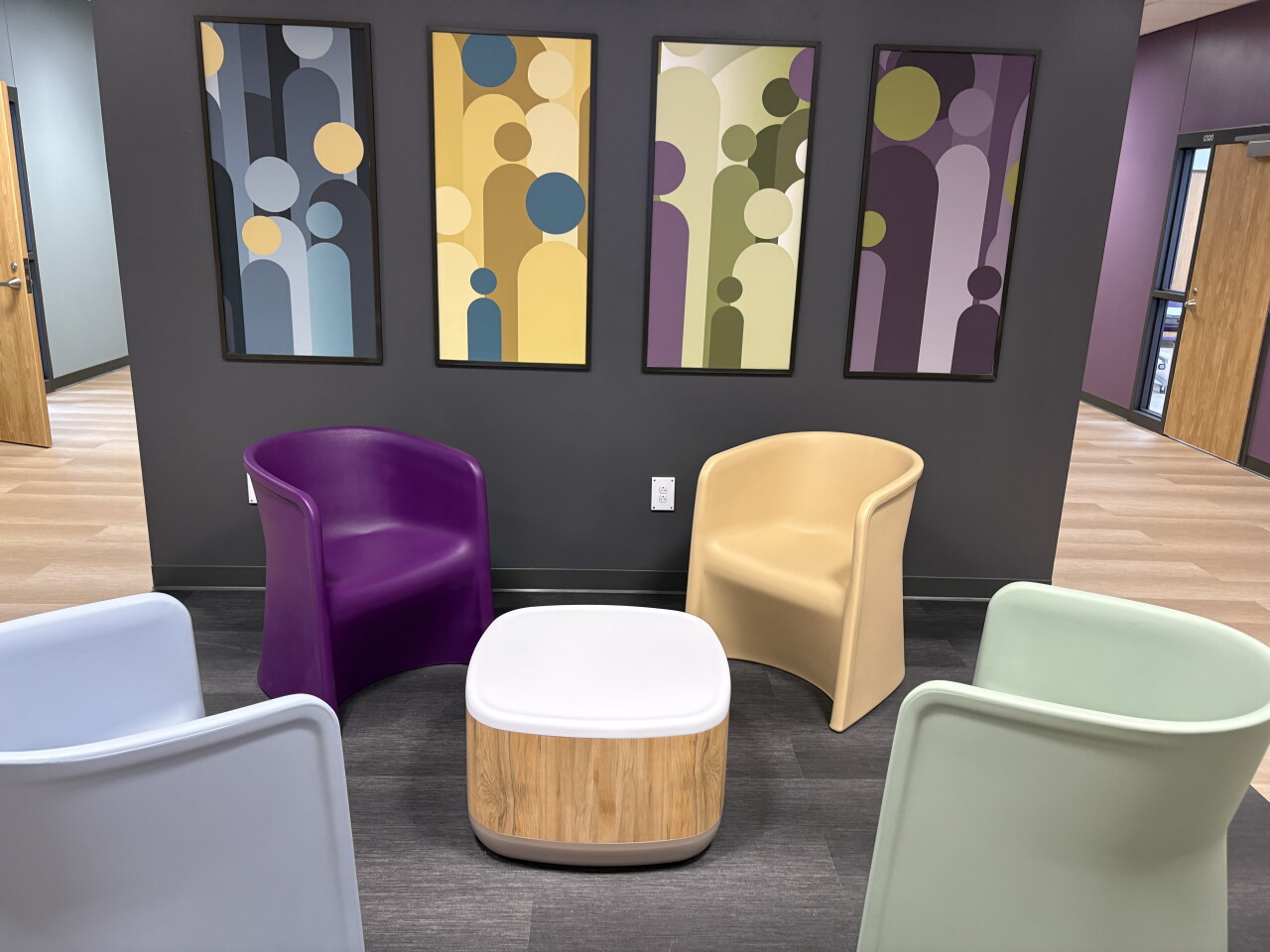
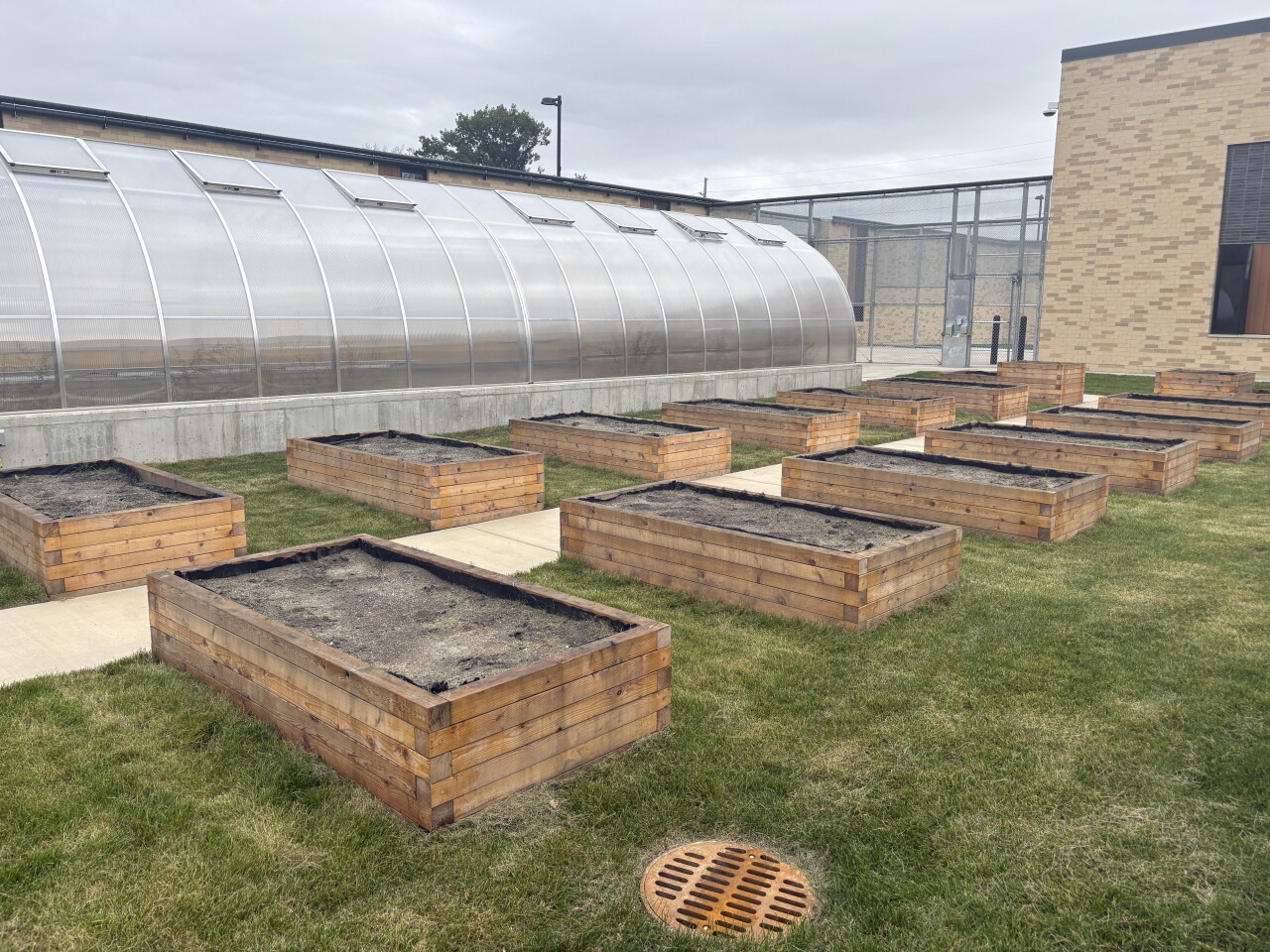
Unlike a traditional large correctional institution, the new Southeast Regional Care Center is designed to combine secure housing with education, mental health treatment and opportunities to learn practical skills.
According to the Wisconsin Department of Corrections, the facility includes:
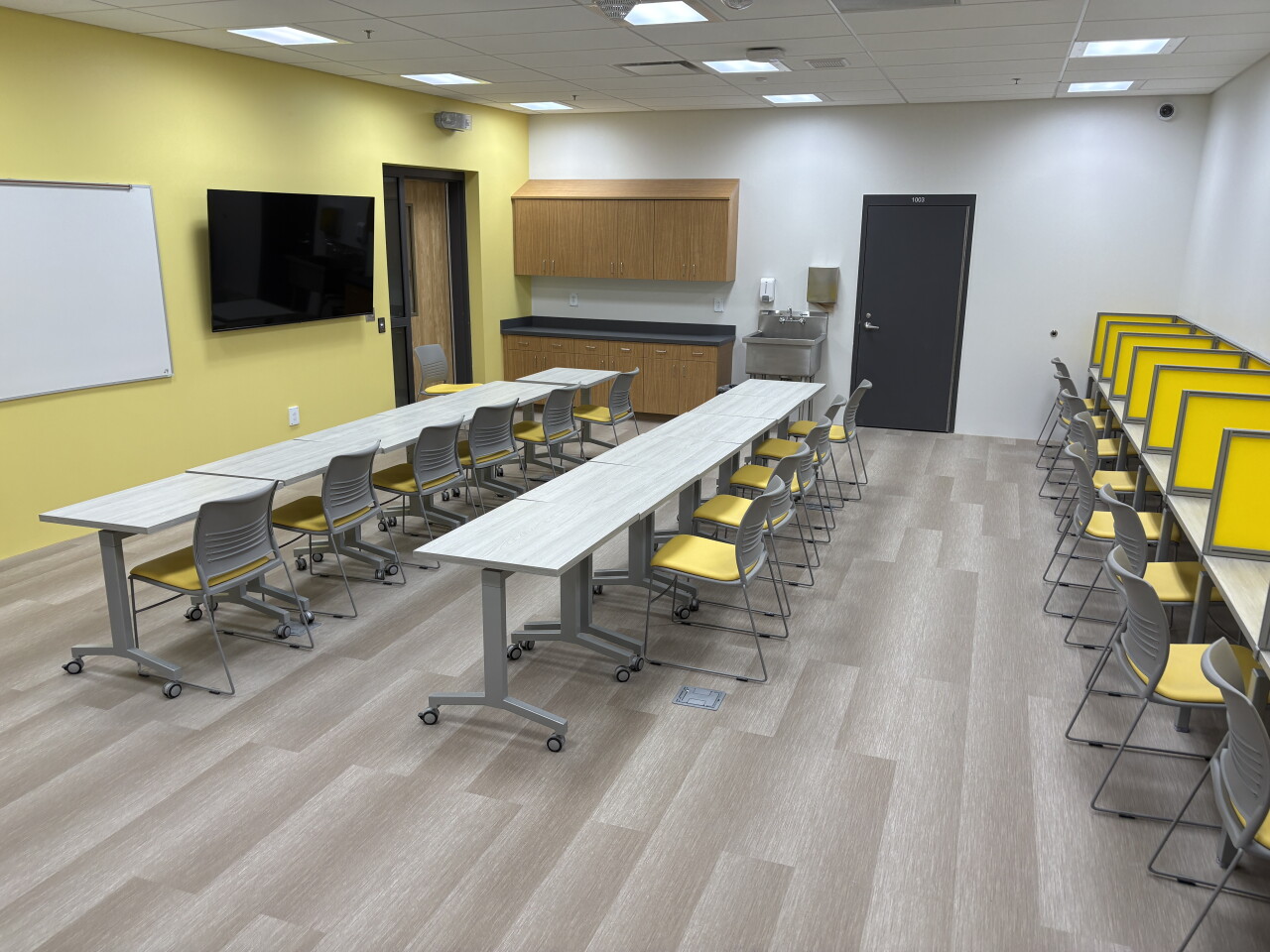
- Classrooms offering traditional academic instruction.
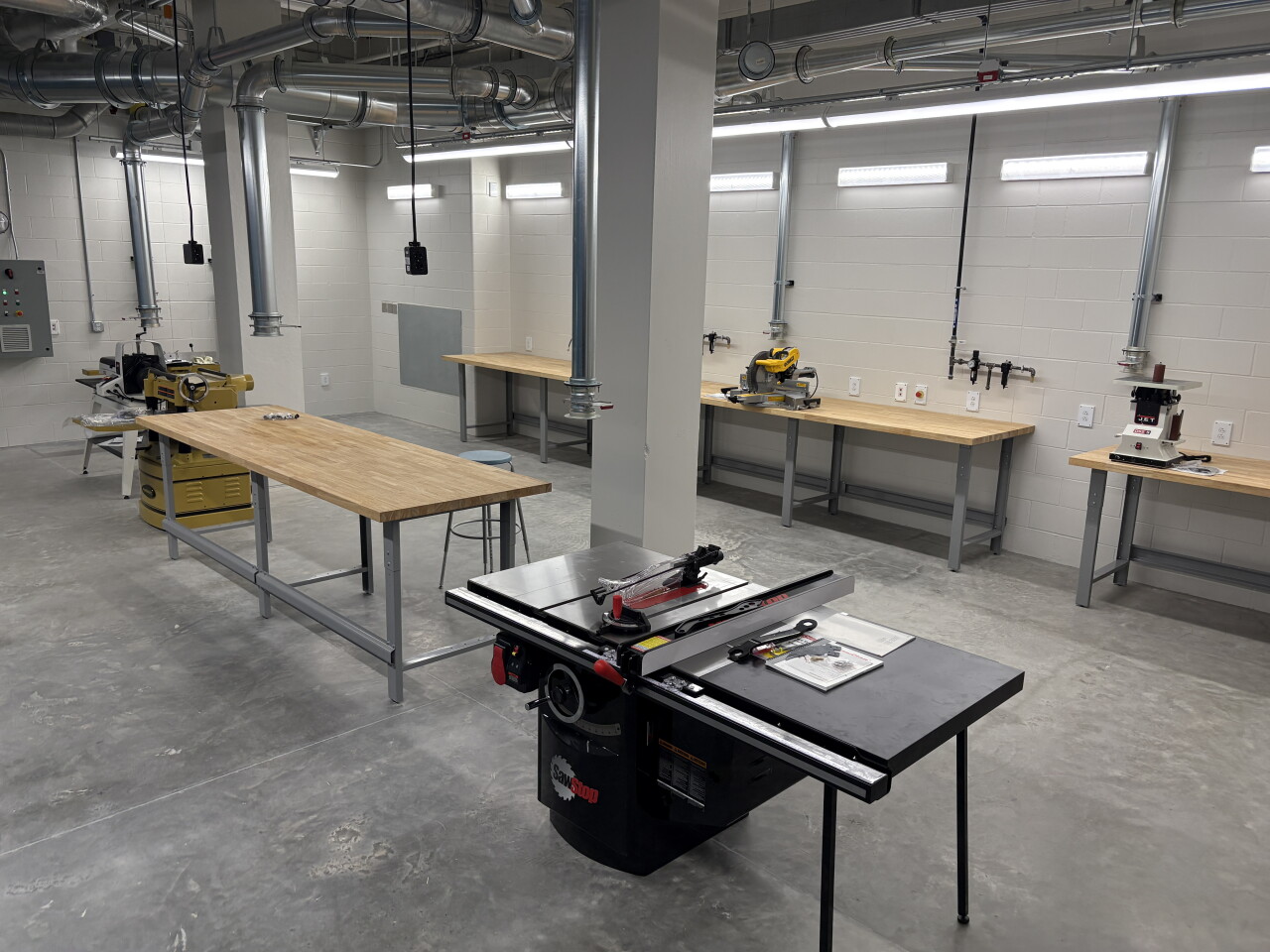
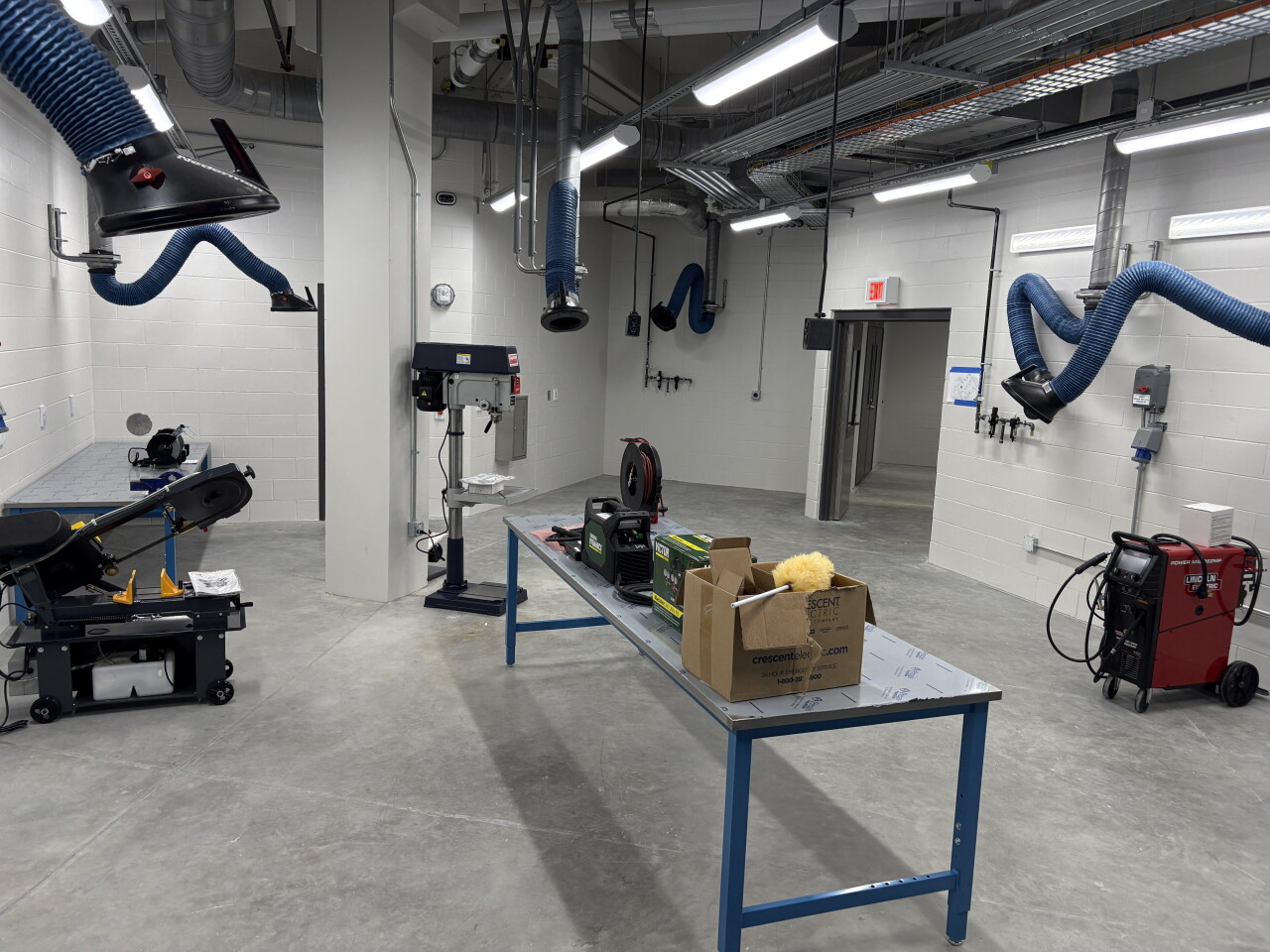
- Welding and woodworking workshops for vocational training.
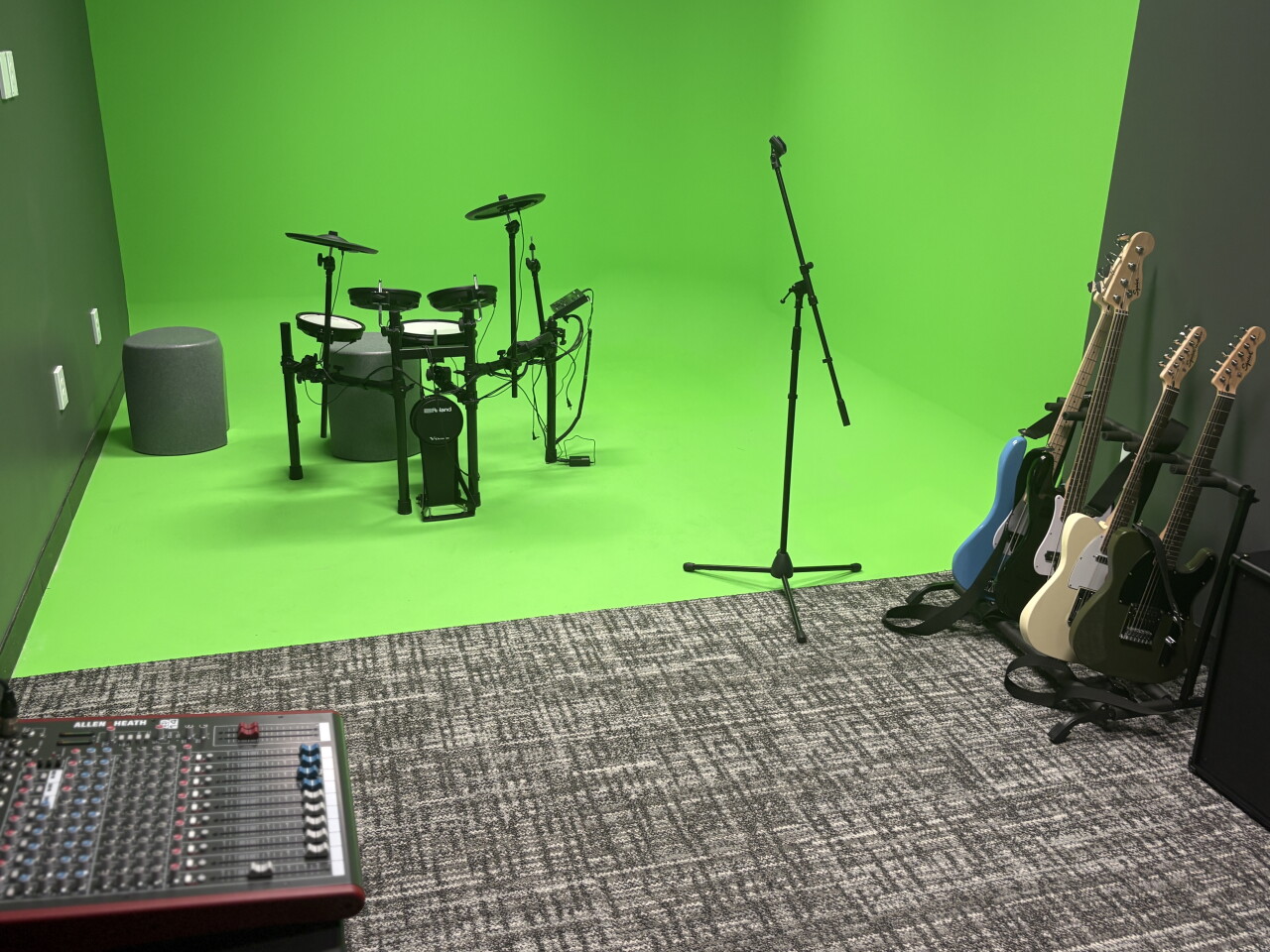
- A recording studio where youth can explore music and creative expression.
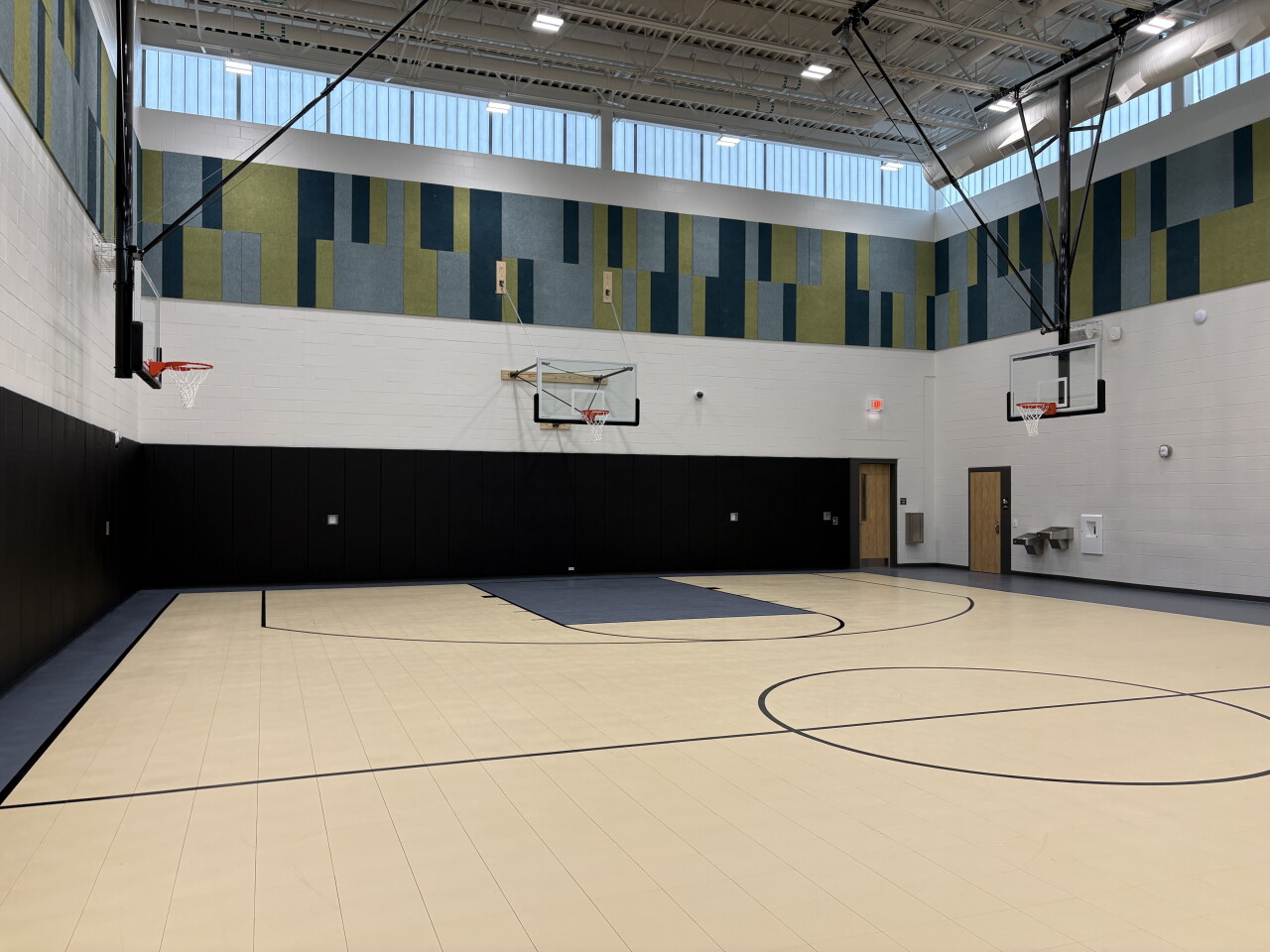
- A gymnasium and indoor and outdoor recreation areas.
- Psychological services and group counseling.
- Medical services, including dental and vision care.
- Spaces for family visits and community programming.
The building also includes rooftop solar panels, with technology that allows students to learn about energy production.
Lance Horozewski, administrator of the Division of Juvenile Corrections, said a typical day will begin around 7:30 a.m. with mindfulness exercises intended to help residents prepare for the day.
School follows, with academic classes and vocational instruction. Afternoons and evenings will include therapy, group treatment, recreation and, when scheduled, family visits.
The goal is to teach skills residents can continue using after leaving the facility.
Horozewski said staff will use dialectical behavior therapy, or DBT, which teaches young people ways to regulate their emotions, cope with frustration and respond differently to conflict.
That training isn't reserved for therapists. Youth counselors like Newton will also be involved in reinforcing those skills throughout the day.
Horozewski said the people doing that work are essential to whether the facility succeeds.
He specifically pointed to employees like Newton, whose backgrounds may help them connect with the young people in their care.
For Newton, the distinction between punishment and treatment is central to why he took the job.
"This is treatment. This is a care center, it's not a correctional facility, that's how I think of it," Newton said.
The facility remains a secure juvenile correctional institution, but its staff members hope that treatment and personal relationships can help young people make lasting changes.
Governor Evers: A long-awaited change to Wisconsin's juvenile corrections system
Governor Evers called the opening an important milestone in an overhaul that has taken years to reach this point.
The effort dates back to concerns about conditions at Lincoln Hills School for Boys and Copper Lake School for Girls, two state-run facilities in Irma, Wisconsin.
The institutions faced allegations of mistreatment and unsafe conditions, leading to federal court oversight and extensive required reforms.
During Wednesday's news conference, Evers described conditions at the institutions in 2015 as "abysmal and unsafe" for both youth and staff.
The governor said Wisconsin has since completed the required reforms and that federal court oversight ended in January 2026.
But the longer-term effort to replace the institutions with smaller facilities closer to home remains unfinished.
Wisconsin lawmakers passed Act 185 in 2018, establishing a plan to move away from the large, centralized juvenile corrections model. The original target was to transition away from Lincoln Hills and Copper Lake as youth facilities by 2021.
That deadline was missed.
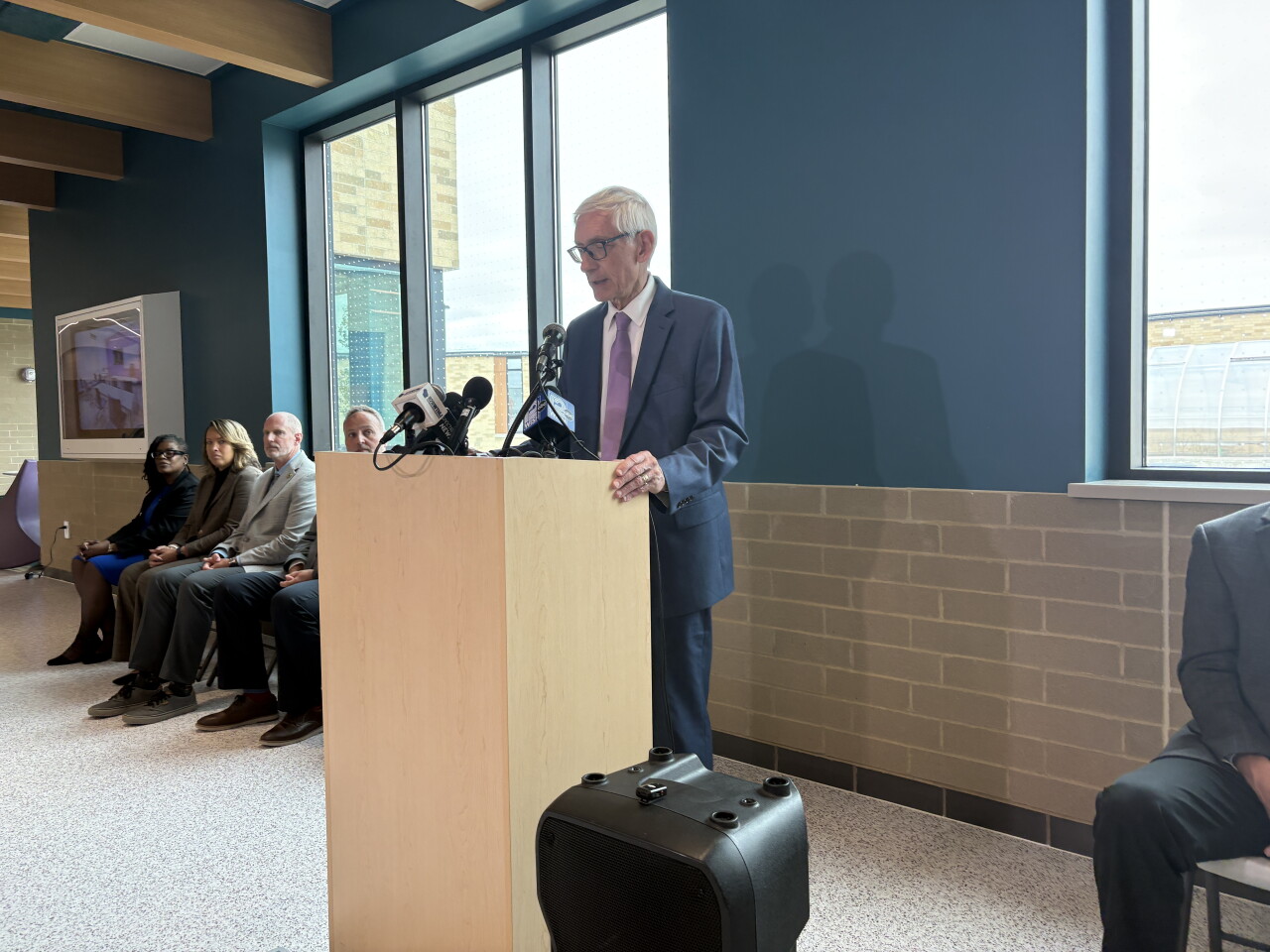
At Wednesday's tour, Evers acknowledged the delays.
"This is a win that took way too long. It just, it should never have, and we're still working on it," Evers said.
He also defended the educational and recreational amenities in the Milwaukee facility, responding to a question about whether the accommodations could be viewed as too comfortable for a correctional institution.
"This is a correctional facility. They're gonna be living here. They're not going to be living anyplace else," Evers said.
He argued that providing education and opportunities for rehabilitation while the boys are in custody is important to helping them return to their communities.
The governor said the new approach is meant to allow young people to remain connected to family, mentors and community resources, relationships that can be harder to maintain when a child is incarcerated hundreds of miles from home.
Lincoln Hills and Copper Lake remain open. What's next?
Despite the completion of Milwaukee's new facility, Lincoln Hills and Copper Lake are still operating.
DOC Secretary Jared Hoy told reporters that approximately 70 young people remained at the institutions as of the previous week.

The Milwaukee facility has capacity for 32 boys, meaning the new center alone cannot replace all of the existing beds.
Construction is underway on a second state-run juvenile correctional facility in Dane County. It is designed to house up to 40 young people — 32 boys and eight girls.
Hoy said the state also wants a third facility in northern Wisconsin to serve young people from that part of the state.
The overall objective is to move young people out of Lincoln Hills and Copper Lake. Under Act 185, the existing campus is intended to be converted for adult corrections use once the juvenile population has been relocated.
No firm completion date for the entire transition was provided during Wednesday's tour.
Hoy said the state faced funding problems and delays along the way, but described the Milwaukee opening as meaningful progress.
"We celebrate today and we get back to work tomorrow," Hoy said.
The DOC says keeping young people closer to their families and communities is a central part of the state's new juvenile corrections model.
How will Wisconsin know whether this approach works?
For state officials, a significant question remains: Will the new approach produce better outcomes?
Horozewski said the department plans to track more than whether young people return to the justice system.
Measures of success will include whether they return to school, continue mental health treatment, maintain family relationships, find mentors and participate in positive community activities.
He said the state wants young people to build relationships that continue after they leave correctional custody.
"So it's all about connections and that we help youth maintain those connections when they're back in the community," Horozewski said.
For Burkhalter, success will involve helping the boys develop the skills to pause, evaluate their choices and respond differently when faced with difficult situations.
For Newton, it will be something he hopes to see firsthand.
"When I can visually see them using the skills when they're interacting with youth from the same backgrounds and they're able to use those skills, I know that I'm doing what I'm supposed to do and I know that they're receiving what I'm giving," Newton said.
He knows the job won't be easy.
But at 20 years old, having grown up with his own family affected by incarceration, he sees an opportunity to become the kind of mentor he wished he'd had.
And while Wisconsin is investing millions in a different kind of correctional facility, Newton believes its greatest potential lies in something that can't be measured by the size of the building or the number of programs it offers.
The chance for a young person to connect with someone who understands where they've been — and believes they can do better.
What happens next?
The Southeast Regional Care Center for Youth is expected to begin receiving residents in early November 2026.
The first group will move in gradually, with the facility expected to be close to its 32-resident capacity by the beginning of 2027.
For families seeking information about the facility or Wisconsin's juvenile corrections changes, the DOC provides resources through its official website.
Facility information: Southeast Regional Care Center for Youth
Reform background: Wisconsin Act 185 and the state's juvenile corrections plan
It’s about time to watch on your time. Stream local news and weather 24/7 by searching for “TMJ4” on your device.
Available for download on Roku, Apple TV, Amazon Fire TV, and more.

