

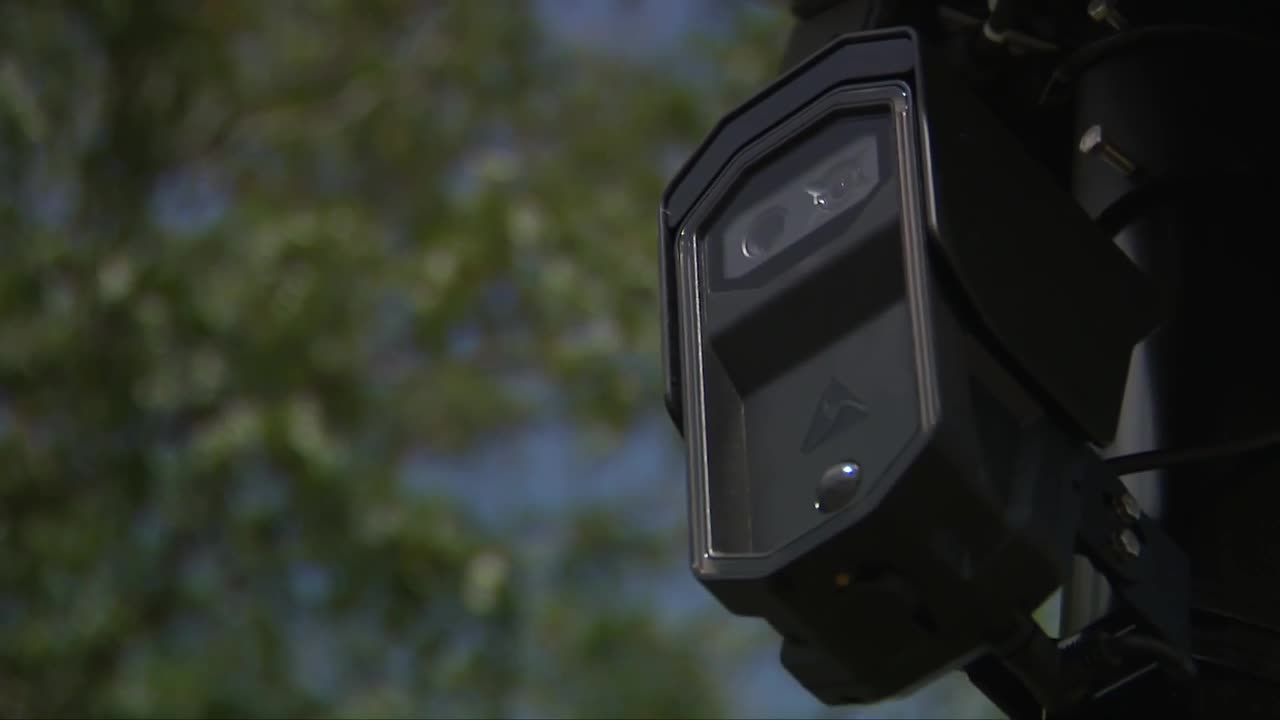


KENOSHA, Wis. — Kenosha's police chief is terminating the city's contract with Flock Safety, citing concerns over data sharing, security, access and misuse, and replacing the system with license plate readers from another company the department owns and operates itself.
Chief Patrick Patton said the department has used Flock since 2023 and had 31 cameras throughout the city. While the cameras helped solve serious crimes, including homicides and sexual assault investigations, concerns about the technology ultimately outweighed the benefits.
"We had a lot of promises about security and data sharing," Patton said. "Specifically what those cameras were capable of doing, who was actually accessing that data."
The department has already given Flock its required 30-day notice of cancellation, and the contract will be terminated next month. Before then, the department plans to cover Flock cameras citywide to stop data sharing immediately.
WATCH: Kenosha says farewell to Flock, drops license plate readers citing security, misuse and data sharing concerns
"The longer we leave them up, the longer they can continue to collect data," Patton said.
Kenosha is replacing Flock with Axon's Outpost license plate readers. At a quick glance, the cameras look nearly identical, but Patton said there are major differences. KPD owns and operates the new system, and data is stored internally for 30 days.
"We wanted to have something that we had more control of so that we could be held more responsible," Patton explained. "The public will never see the difference between what we do and what Flock as a company does."
Under the new system, officers do not have direct access to the data. Instead, they must go through a supervisor.
"If our officers are on a case that they feel can be supported or solved, they'll then approach a supervisor with a case number, and a reason on why they think this information would be valuable to obtain," Patton said. "Then a supervisor will evaluate it and say okay or no, that's not enough."
Patton said the goal is to balance privacy with public safety.
"We understand that privacy for people is incredibly concerning, but so is public safety and where can we meet where we can try to guarantee the best of both worlds," Patton added.
Residents in Kenosha had mixed but cautiously supportive reactions to the change. Caden Raucci, who lives near Kenosha, said he was aware of the technology's spread but has reservations.
"I did know it was happening in Kenosha, and I know it's happening pretty much nationwide and I think it's a little crazy," Raucci said.
Raucci said stronger oversight would help.
"I think there should be two supervisors that have to see over it," Raucci said.
Louis Dosemagan, who travels often to Kenosha, said the technology is acceptable as long as it is not abused.
"Just like anything else, it's a tool and should be provided as long as there's no abuse to the system," Dosemagan said.
This story was reported on-air by Jenna Rae and has been converted to this platform with the assistance of AI. Our editorial team verifies all reporting on all platforms for fairness and accuracy.
It’s about time to watch on your time. Stream local news and weather 24/7 by searching for “TMJ4” on your device.
Available for download on Roku, Apple TV, Amazon Fire TV, and more.


