


Disclaimer: This is sponsored content. All opinions and views are of the advertiser and does not reflect the same of TMJ4.
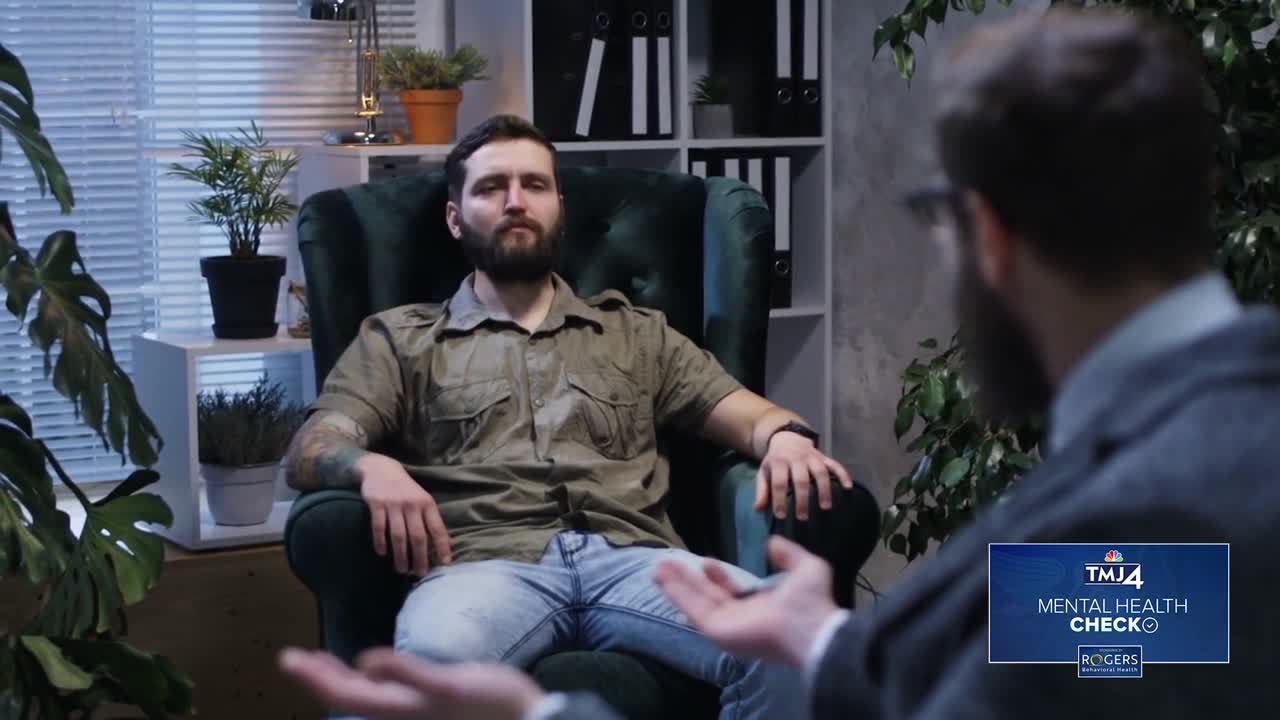
Trauma can occur when a person, or someone they love, experiences serious injury, a life-threatening situation, or sexual or physical abuse. Posttraumatic stress disorder (PTSD) develops when the emotional impact of trauma hasn’t been healed, and the symptoms interfere with daily life. Jennifer Parra Nelsen, LPC, ICS, is the clinical director of Trauma Recovery, Residential Care for Adults and Fire Watch at Rogers Behavioral Health. She says PTSD is often underreported in men and often key signs of trauma are missed. However, PTSD is treatable, and Rogers Behavioral Health offers effective trauma and PTSD treatment to meet each person’s unique needs. Rogers is a leading nonprofit, independent provider of mental health and addiction treatment services. With locations in ten states, they are among the largest specialty behavioral healthcare systems in the U.S., helping adults, adolescents, and children live for the moments that matter most.
Here are some common signs of PTSD in men that often go unnoticed:
- Externalized Anger and Irritability
- "Workaholism" and Avoidance
- Hypervigilance Masquerading as "Control
- Substance Use to Self-Medicate
- Emotional Numbing and Disconnection
- Physical Aches and Sleep Disturbances (chronic fatigue, headaches, stomach issues and insomnia)
- Reckless or Risk-Taking Behavior
Jennifer Parra Nelsen says people tend to think of classic symptoms such as flashbacks, but men often appear more quiet because they tend to mask vulnerability. That means signs of trauma frequently get mislabeled as character flaws, personality changes, or stress. She shares more of her thoughts on PTSD in the video link below. She says it's important to get treatment that matches your unique needs. If you or someone you care about is struggling, please know that support and professional help are available. For a free and confidential screening, visit rogersbh.org or call 1-800-767-4411. You don’t have to face it alone—help is just a call or click away.
